Mungyeong City Unifies Fragmented Care Services... Launches 'Regional Integrated Network'
Cooperation Among 10 Healthcare and Welfare Organizations
Support to Be Expanded to Severely Disabled Individuals Starting in September
Mungyeong City in North Gyeongsang Province has initiated the development of a regionally-focused integrated care system that connects healthcare, nursing, and welfare services into one comprehensive network.
The core objective is to link previously fragmented services from different institutions, enabling citizens in need of care to live healthily and safely in their own communities.
![Mungyeong City Hall [Photo by Byunggun Kwon]](http://www.asiae.co.kr/news/img_view.htm?img=2026082915415297446_1787985712.jpg)
On August 28, the city announced that it had signed a “Mungyeong City Healthcare·Nursing Integrated Care Cooperation Agreement” with local organizations involved in care services.
This agreement was designed to establish an integrated, person-centered care system by organically connecting healthcare, nursing, and welfare services, in line with the launch of the integrated healthcare and nursing care project.
Notably, beginning in September, the eligibility for integrated care will be expanded to include not only the elderly but also individuals under 65 with severe physical or neurological disabilities. As a result, the importance of a community partnership network that can respond to the diverse care needs—including those of people with disabilities—will greatly increase.
The agreement encompasses a range of local care-related organizations, including Mungyeong City, Mungyeong City General Social Welfare Center, Heungdeok General Social Welfare Center, Mungyeong City Disabled Persons Welfare Center, Mungyeong City Senior Club, Mungyeong Local Self-Sufficiency Center, Mungyeong City Branch of the Gyeongbuk Association of Persons with Physical Disabilities, Mungyeong City Transportation Support Center for the Mobility-Impaired, Mungyeong City Mental Health Welfare Center, Mungyeong City Home-Based Elderly Integrated Support Center, and the Mungyeong City Chapter of the Korea Beauty Association.
Moving forward, the participating organizations will actively identify new candidates for integrated care and coordinate services tailored to each individual's health condition, living environment, and care needs. They will also work together to reduce care blind spots by sharing information and pooling community resources.
The significance of this agreement goes beyond simply creating a channel for inter-agency cooperation. By linking previously separate services—such as welfare, healthcare, and mobility support—in a person-centered manner, the agreement lays the foundation for a ‘localized integrated care system’ that ensures timely support is delivered to those who need it.
Based on this cooperative framework, Mungyeong City plans to more precisely assess the complex needs of care recipients and connect available local resources, so that citizens can continue their daily lives in familiar environments without needing to rely solely on hospitals or care facilities.
Hak Hong Kim, Mayor of Mungyeong City, stated, “It is crucial to go beyond institution-based services and focus on integrating local resources around the health and care needs of individuals,” and added, “We will strengthen our cooperation system so that necessary care services can be delivered in a timely manner, and we will work with the community to ensure citizens can maintain healthy and safe lives in their familiar surroundings.”
The success of community-integrated care depends not on how many systems are introduced, but on how effectively dispersed services are connected into a dense, supportive network.
Hot Picks Today
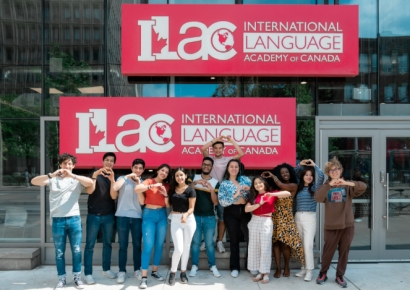 "Quit Job to Start Life in Canada, Now Forced to Return Home"… Language School Closure Leaves Korean Students Stranded
- [Exclusive] "Oh, Oh! Why Is the Seatback Like This?" Hyundai Ioniq 9 Recalled in Korea: 15,000 Units Due to Power Seat Entrapment Risk
- "When Was the Last Time I Went?" With Fewer Visitors, 80% of Japan’s Neighborhood Bathhouses Disappear in 50 Years
- "Typical Italy? This Tour Package Sold 300% More"...Destinations Chosen by Koreans
- Hanwoo Can't Even Dream of This... "Melts in Your Mouth" as Wagyu Hits It Big in U.S. Supermarkets and Fast-Food Chains
Attention is now focused on whether the public-private partnership network established through this agreement can bring about real changes in daily life for elderly citizens, people with disabilities, and other community members in need of care.
© The Asia Business Daily. All rights reserved. Unauthorized AI training and use prohibited.