Senigen Targets Antibiotic-Resistant Bacteria with AI-Based Endolysin
Selected as Lead Institution for K-Hero Project by Ministry of Science and ICT
Direct AI-Driven Design of Second-Generation Endolysins
Identification of Sepsis Drug Candidates for Resistant Bacteria by 2029
Senigen, a microbial molecular diagnostics company, is developing treatments for antibiotic-resistant bacteria with its AI-designed “second-generation endolysins.”
On August 28, Senigen held the “2026 Endolysin-Based Next-Generation Antimicrobial Symposium” at the Jeongdong 1928 Art Center in Jung-gu, Seoul, where it unveiled its research and development strategy for next-generation protein therapeutics based on endolysins.
Senigen has been selected as the lead research and development institution for the “AI-Based Development of Endolysin Therapeutics Targeting Antibiotic-Resistant Bacteria for Sepsis” project as part of the Ministry of Science and ICT’s “2026 K-Hero Fostering and Support Program.” The research period runs 42 months, from last month through December 2029. Senigen plans to build a platform for discovering and validating AI-derived endolysin therapeutic candidates and to identify lead compounds targeting antibiotic-resistant bacteria.

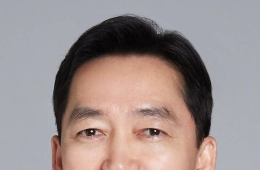
Jungwoong Park, CEO of Senigen, is speaking at the "2026 Endolysin-Based Next-Generation Antimicrobial Symposium" held on the 28th at Jeongdong 1928 Art Center in Jung-gu, Seoul. Photo by Seongmin Lee
View original imageEndolysins are enzymes that break down bacterial cell walls. They are used by bacteriophages — viruses that infect bacteria — to destroy the cell wall after replicating inside the bacterial cell, enabling them to exit. While endolysins are gaining attention as next-generation antimicrobial agents, there are currently no commercialized therapeutics.
Endolysins found in nature sometimes lack sufficient activity for use as therapeutics, and their activity may decrease in real physiological environments such as blood. Yoo Sangyeol, Chief Scientific Advisor at Senigen, explained, “Naturally occurring endolysins are generally not potent enough for therapeutic use, so their efficacy must be enhanced. There are various factors in blood that prevent endolysins from functioning properly, so maintaining their activity in vivo is critical.”
Senigen has set out a strategy to overcome these limitations by leveraging AI. Endolysins are composed of a cell-wall binding domain (CBD), an enzymatically active domain (EAD) that breaks down the cell wall, and a linker that connects these two regions.
Whereas the development of first-generation endolysins focused on identifying promising natural candidates, Senigen is designing new chimeric endolysins by combining various CBDs, EADs, and linkers. By using AI, the company can screen a wide array of possible combinations to select candidates with optimal structure and performance.
Jungwoong Park, CEO of Senigen, stated, “So far, the industry has tried to find endolysins in bacteriophages and assess their viability as therapeutics, but there have been repeated failures in phase 3 clinical trials. Industry opinion is that the odds of finding highly potent endolysins, which exist at a very low probability in nature, are extremely slim.”
He added, “One major reason substances selected from nature fail in clinical trials is believed to be stability issues within the body. Second-generation endolysins can be designed with the necessary characteristics from the outset, giving them a better chance of overcoming the challenges faced by first-generation candidates.”
Hot Picks Today
!["Just 5 Minutes to Departure" Ride a Maybach to Your Flight... Ultra-Luxurious VIP-Only Terminal Available for 950 Euros [Reportage]](https://cwcontent.asiae.co.kr/asiaresize/93/2026090414502016544_1788501020.jpg) "Just 5 Minutes to Departure" Ride a Maybach to Your Flight... Ultra-Luxurious VIP-Only Terminal Available for 950 Euros [Reportage]
"Just 5 Minutes to Departure" Ride a Maybach to Your Flight... Ultra-Luxurious VIP-Only Terminal Available for 950 Euros [Reportage]
- "Five Dresses for Travel at 40,000 Won"...After the Perfect Photo, Straight to the Trash
- "Once a Dream Job With 1,000-to-1 Competition, Now on the Verge of Becoming an Unpopular Career in China"
- "The Only One Among the Big Four"... Samsung Opens Second Half Recruitment Doors Across 19 Affiliates
- "The Smart Newcomer Never Stops Working... This 'Rookie' Is Intimidating [Click e-Industry]"
Senigen plans to apply its strain library and microbial genomic data, amassed over the past 20 years, to endolysin design. After using AI to design diverse endolysin candidates, the company will manufacture and screen candidate groups using its biofoundry. The most promising leads will then be tested for efficacy and stability under simulated physiological conditions. If experimental results do not match AI predictions, Senigen will feed the data back into its AI model and redesign the candidates, creating a “closed-loop” system.
© The Asia Business Daily. All rights reserved. Unauthorized AI training and use prohibited.