CGBio Confirms Potential of NOVOSIS for Treating Scaphoid Nonunion
Combined with Compression Screw Fixation Without Autograft or Allograft
Bone Union Confirmed in Most Cases Within 3 to 4 Months After Surgery
CGBio announced on the 28th that, in a preliminary clinical study applying its bone graft substitute 'NOVOSIS' in combination with screw fixation for the treatment of scaphoid nonunion, all seven patients achieved bone union.
This study was conducted by Professors Park Jisu, Kwon Kiyeon, An Hyeongjun, and Oh Jinrok of the Department of Orthopedic Surgery at Wonju Severance Christian Hospital, Yonsei University Wonju College of Medicine, and the results were published in the international journal 'Orthopaedic Surgery.'
The research team performed fixation surgery using NOVOSIS and two compression screws on seven patients diagnosed with waist-type scaphoid nonunion between August 2023 and December 2024. The average patient age was 30 years, and the mean follow-up period was 12.4 months.

At the end of the follow-up period, all seven patients had achieved bone union, and radiological evidence of bone union was confirmed in most patients about 3 to 4 months after surgery. The visual analogue scale (VAS) for pain decreased from a preoperative average of 4.9 points to 0.4 points postoperatively. The Mayo Wrist Score, which comprehensively assesses wrist pain, function, range of motion, and grip strength, increased from an average of 59.3 to 94.3 points.
No major complications were observed during the follow-up period, such as infection, screw loosening, or heterotopic ossification—unintended bone formation in other areas. In addition, because autologous bone harvesting was not performed, issues such as donor site pain or nerve injury did not occur.
NOVOSIS is a bone graft substitute that combines rhBMP-2, which induces new bone formation, with a HA carrier that serves as a scaffold for bone growth. Its key feature is that it provides both osteoinductivity, facilitating bone formation, and osteoconductivity, supporting the newly formed bone.
The researchers evaluated that surgery using NOVOSIS has the potential to be an alternative that can reduce the burden associated with autologous bone grafts. However, they noted that this was a retrospective preliminary study involving only seven patients, with no control group, and patients with severe avascular necrosis or progressive collapse were not included; therefore, large-scale prospective comparative studies are needed in the future.
Hot Picks Today
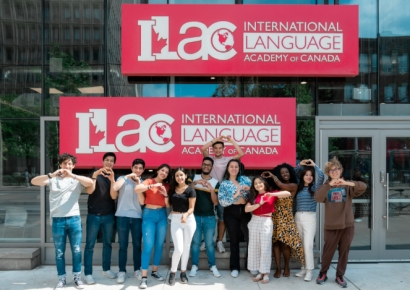 "Quit Job to Start Life in Canada, Now Forced to Return Home"… Language School Closure Leaves Korean Students Stranded
- "Now Going the Other Way": Travel Agencies Bet on the 'K-Wave' as Inbound Becomes the New Profit Formula
- 'Japan in Chaos' as Unprecedented Outbreak Spreads ... "Four Days Is Too Short," Yet Japan Remains Top Travel Pick
- "Is That Family's Daughter Unemployed? My Son Is Too" ... Sri Lanka's Youth Unemployment Rate Among Graduates Hits 43%
- "Thought It Was a Student Meal at This Price"... A 2,400-Won Meal at a Five-Star Hotel, What's Going On?
Hyunseung Yoo, CEO of CGBio, said, "Moving forward, we will continue to accumulate clinical evidence for NOVOSIS not only in the spine and long bones but also in various bone regeneration areas, such as the hand and foot. We aim to expand the clinical value of the product so that more patients can regain their daily function."
© The Asia Business Daily. All rights reserved. Unauthorized AI training and use prohibited.