"Adding Milk Foam for a Little Indulgence"... What Is the 'Little Treat Economy' Leading Generation Z in the US?
Small Rewards Become a Routine... Budget Management Is Key
Rising Debt and Inflation Drive Increase in Discretionary Spending
Retailers Compete with Custom Marketing Such as Toppings
"Every Friday evening, I change up my matcha latte with additions like salted caramel foam, strawberry foam, or milk foam. It's like a small gift to myself for making it through another week."

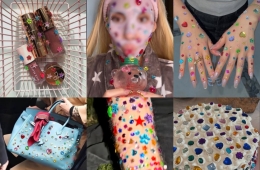
The 'Little Treat' consumer culture trending among Generation Z in the United States. Screenshots from TikTok and Pinterest
View original imageThe trend of giving oneself small rewards, known as the "Little Treat" movement, is changing the consumption habits of Generation Z in the United States by providing comfort in the midst of daily life struggles.
According to international outlets such as Newsweek on August 27 (local time), Generation Z (born between 1997 and 2012) maintains a highly skeptical outlook about their financial futures. Nevertheless, they continue to indulge in frequent, modest purchases like coffee or desserts, as well as visible 'reward spending' on dining out and travel, rather than holding back.
"Made it through a tough day"... 'Instant gratification' in the midst of an uncertain reality

The 'Little Treat Economy' refers to a consumption trend among young people who engage in small luxuries to alleviate financial stress and economic anxiety. It is similar to the "lipstick effect," in which people reduce major expenditures during a recession but seek emotional comfort by purchasing small luxury items.
According to Bank of America (BoA) Institute's "Reality Check on Gen Z" report released in early August, while Generation Z finds it difficult to save money, they are spending more on beauty products, jewelry, coffee, and travel. Payment data also showed a sharp increase in mood-boosting spending by Generation Z in these categories, further supporting the notion that young people are driving the small luxury economy by fulfilling immediate desires.
A survey by market research company Datassential found that 8 out of 10 Generation Z respondents (77%) enjoy a small reward—like coffee—at least once a week. The top reason for rewarding themselves (48%) was "after enduring an extremely tough day," followed by "for mental health" (36%), "after completing a difficult assignment" (33%), and even "after finishing basic chores like laundry" (31%).
"Mix it to my taste"... Beverage industry ramps up 'custom marketing'

Custom beverage sold at the well-known East Coast U.S. franchise convenience store 'Wawa'. Wawa homepage
View original imageThe spectrum of rewards is wide—bubble tea, chocolate, ice cream, and donuts priced around 5 to 10 dollars (approximately 7,000 to 14,000 won) are common examples. Some opt for affordable cosmetics, keychains, or stationery, while others make small in-app purchases.
This is also why specialty beverages are especially popular among Generation Z. They transform the ordinary act of buying a drink into a "special experience." According to a study cited by SIG, 45% of Generation Z consumers expressed a strong preference for unique drinks, such as refreshers—significantly above the overall average of 26%.
As a result, franchise brands like Starbucks are fueling "customized" marketing with colorful options, seasonal menus, and popping boba toppings. McDonald's has branded beverage purchases among Generation Z as "moments of self-care and self-expression," while fast-food companies like Dunkin' and Sonic are also beefing up related product lines.
It is also notable that reward days are set in advance or combined with other acts of self-care, such as reading or taking a bath. Jason Sit, a marketing expert at Koho, commented, "Positive emotions stem more from the consumption experience itself than from the product. It's about stepping away from work, feeling deserving of a break, and having a sense of taking care of one's own emotions."
Small but certain rewards vs. quiet splurging... "Managing within your budget is key"

Scenes of adding foam in various flavors and colors to drinks and enjoying them. Screenshot from Pinterest
View original imageThe background of this phenomenon lies in the fact that everyday small luxuries are not the cause, but a result, of limited financial realities. Taylor Bowley, an economist at the Bank of America Institute, pointed out, "Most young consumers crave financial security, but they do not want to completely defer enjoyment of life until everything is perfect." For Generation Z, faced with soaring housing costs and an unstable job market, minor expenditures become a practical compromise with reality.
On the other hand, there is a skeptical view that accumulative small purchases can make it difficult for young workers just starting out to build assets. Although such amounts may not feel burdensome at the moment of purchase, when 5 or 10 dollar treats add up, monthly expenses can quickly snowball.
Pamela Liebman, CEO of real estate brokerage firm Corcoran Group, advised, "If you want to save up for your first home, cutting back on Starbucks coffee and unnecessary spending is the place to start." She also suggested setting a separate budget for "Little Treats," or predetermining the frequency of such expenditures.
Hot Picks Today
 "If You Give 100,000 Won, You’ll Be Criticized"... Wedding Gift Amounts: 130,000 Won for Singles vs. 290,000 Won for Married Couples
- 14,000-Dollar Cashmere Coat Without a Logo... The Price of "Quiet Luxury" Chosen by the Truly Wealthy
- "107% Return in Just Half a Year"... National Pension Service Scores Major Gains in Domestic Stocks
- President Lee: "Decrease in Suicides Is the Most Meaningful and Significant Achievement... Still More to Reduce"
- "Such a Beauty in Korea" "Looks Like a Movie Star"... Which Volleyball Player is Making Japan Buzz?
Some TikTok users are taking on "no rewards months," or trying alternatives such as making drinks at home instead of buying pre-made products. Julien Brault, founder of financial platform Moosemooney, emphasized, "The key is to ensure that this type of spending does not become an escape from financial anxiety, but rather something that can be managed within the framework of your longer-term financial goals."
© The Asia Business Daily. All rights reserved. Unauthorized AI training and use prohibited.



![[On Site] Nojung Kwak: "Semiconductor Boom Will Continue"...Open to Additional Investments Anywhere](https://cwcontent.asiae.co.kr/asiaresize/307/2025031017284361902_1741595323.jpg)