Restoration of 'Taiwan Pavilion' Name... Exhibition Resumes but Aftermath Continues at Gwangju Biennale
Taiwanese Side Begins Exhibition Preparations After Over a Week's Delay;
Artwork Installation to Start on the 28th
Min Hyungbae Publicly Criticizes Foundation:
"A Deep Embarrassment for Gwangju... Accountability Will Be Pursued"
Chine
A little after 7:00 a.m. on the 27th, a freight truck entered the Asia Culture Center (ACC). The truck was carrying materials to set up the exhibition hall for the 16th Gwangju Biennale’s “Taiwan Pavilion.” Due to the ongoing conflict over the use of the name “Taiwan,” preparations for the exhibition were delayed by over a week and only resumed nine days before the opening. The deputy director of the National Taiwan Museum of Fine Arts (NTMoFA) and the exhibition curator visited the site and expressed their gratitude to the Gwangju art community for allowing them to participate in the Gwangju Biennale under the name “Taiwan.” The transportation and installation of artworks are scheduled to proceed in earnest starting on the 28th.

Although the immediate crisis of a disrupted exhibition has been resolved, the controversy is far from over. Not only has the issue of accountability for the Gwangju Biennale Foundation’s decisions surfaced, but on the 27th, the Chinese Ambassador to Korea, Dai Bing, also expressed regret and concern over the use of the “Taiwan Pavilion” name—a development that has escalated the issue beyond the art world, turning it into a diplomatic matter.
The controversy began with the question of what to call the pavilion. The Taiwan Ministry of Culture and the participating artists claim that from the very beginning, their proposal—submitted by the National Taiwan Museum of Fine Arts and discussed with the foundation during the planning stage—used the name “Taiwan Pavilion.” However, they assert that since June, the foundation unilaterally changed it to “NTMoFA Pavilion” on official promotional materials. On the 15th, ten Taiwanese curators and artists issued a joint statement denouncing this as “political censorship.”
The foundation offered a different explanation. It said that for this year’s pavilion projects, participants were divided into national and institutional groups, and since NTMoFA was the contractual party as of January 12, it was classified as an “institutional pavilion” and referred to by the institution’s name. This year’s pavilions feature participation by 16 national and 11 institutional groups. The foundation maintained that it did not interfere with the exhibition content, artwork selection, or the expression of artists and curators, and that the naming issue was simply a matter of administrative and contractual differences concerning participant type and the language used in official promotional materials.
The Taiwan Ministry of Culture contested the foundation’s explanation, arguing it was not true. According to the Ministry, the National Taiwan Museum of Fine Arts has represented Taiwan from the outset and used the name “Taiwan Pavilion” during both the proposal and negotiation stages. The international art magazine “The Art Newspaper” also reported that both sides are providing conflicting explanations about the nature of the January agreement and whether there was consensus on the name.
The dispute resulted in actual disruptions to the exhibition. Although NTMoFA's artworks arrived in Korea around the 18th, they were not installed in the ACC Culture Creation Center’s Complex Exhibition Hall 5 as planned. With the controversy gaining international attention, the ACC stated that it could not proceed unless the foundation and the Taiwanese team reached an agreement on the pavilion’s name. On the 25th, the Taiwan Ministry of Culture strongly protested, alleging that the foundation and ACC were blocking the scheduled exhibit setup, and demanded that they take action to allow the exhibition to go ahead under the name “Taiwan Pavilion” by the 26th.
Ultimately, the foundation accepted Taiwan’s demands on the 25th. When the Taiwan Ministry of Culture sent an official document affirming that the National Taiwan Museum of Fine Arts would represent Taiwan at the Gwangju Biennale using the “Taiwan Pavilion” name, the foundation approved the use of the name based on this document and requested that the ACC proceed with the exhibit setup. The foundation referred to this as “authorization of the name change,” and the Taiwan Ministry of Culture welcomed the restoration of the “Taiwan Pavilion” designation the following day.
Although the original name was restored, the issue of responsibility became a major topic in Gwangju. Min Hyoungbae, Mayor of Gwangju Metropolitan City and concurrently Chairman of the Gwangju Biennale Foundation, criticized the incident as “a deeply embarrassing matter for Gwangju” during an expanded executive meeting on the 26th. Emphasizing that neither political nor administrative power should interfere with the arts, Mayor Min pointed out the damage to Gwangju’s image and stated, “We will hold those responsible accountable in due course.” With the foundation's chairman publicly pledging to hold the organization accountable for handling the matter, the decision-making process and internal procedures around the naming issue have become points of subsequent discussion.
Youn Beommoh, President of the Gwangju Biennale Foundation, explained that the origin of the controversy lay in the matter of administrative categorization. In a KBC interview on the 26th, President Youn said it appeared that staff treated the participation as institutional because the contract was signed at the institutional level with the National Taiwan Museum of Fine Arts. He added that differentiating between national and institutional pavilions is not itself especially significant, but resolving the matter required considering international and diplomatic sensitivities.

Promotional material for the 16th Gwangju Biennale 'Taiwan Pavilion' (left) and the participant list on the official pavilion website. After controversy over the name, the foundation approved the use of 'Taiwan Pavilion,' and the website also displays it as 'Taiwan.' Taiwan Ministry of Culture
View original imageThe local art community also expressed criticism. Organizations such as the Gwangju National Art Association, Horanggasi Tree Art Studio, May Museum of Art, and the Gwangju Women’s Film Festival welcomed the return to using “Taiwan Pavilion,” but demanded an official apology from the foundation, disclosure of the decision-making process, and preventive measures. They specifically criticized the foundation for describing the development as “authorization of name use” instead of “restoration of the name,” arguing that the biennale should not be in the position of granting permission to participants to define themselves.
There was also considerable pushback from participating artists domestically and internationally. After the Taiwanese artists’ and curators’ statement, 36 artists and curators participating in the Gwangju Biennale issued a public letter titled “You Must Change Your Name”—a play on the exhibition’s title, “You Must Change Your Life”—urging restoration of the original name. The international art world also took interest in the incident as a collision between the political sensitivities surrounding Taiwan’s international nomenclature and the autonomy of art institutions.
Immediately after the naming dispute ended, a response from China emerged as well. On the 27th, Chinese Ambassador to Korea Dai Bing reportedly expressed regret and concern to Mayor Min during a visit to the Gwangju City Hall, regarding the foundation’s decision to accept Taiwan’s demands and allow the use of the “Taiwan Pavilion” name. Mayor Min replied with the view that political decisions should not affect the arts.
China has long responded sensitively on the international stage to use of terms recognizing Taiwan as a country, in accordance with the “One China” principle, under which it considers Taiwan part of its territory. Taiwan, by contrast, has asserted the use of the name “Taiwan” at international cultural and sporting events as a matter of identity and representation. International coverage of the Gwangju Biennale pointed out that the event has now found itself at the very heart of the sensitive political landscape between the two sides, far beyond the realm of simple exhibition administration.
With only nine days before the opening, the Taiwan Pavilion has resumed exhibition preparations. However, the naming controversy has not ended with the normalization of the exhibition. Questions and responsibilities remain regarding what principles and procedures should be used to handle politically and diplomatically sensitive issues at international events, and what process was followed in making this decision.
Hot Picks Today
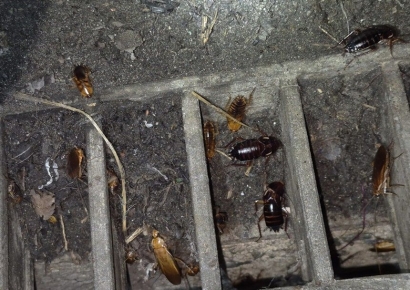 "Busan Is in Big Trouble"... One Cockroach Can Produce 350 Nymphs; Establishment Confirmed, Causing Alarm
- [Exclusive] "We Warned You Four Times"... Another Defect Found in Bathroom at LH Happy Housing Site
- EU: "Easing sanctions on Russian diesel gives Russia more funds to wage war"
- "Older people won't be able to tell"... Gang targets convenience stores with counterfeit 50,000-won notes printed on A4 paper
- "I Hate Dog Meat and Skate, Love Pizza" ... "Let's Meet" Frenzy Over Beautiful 41-Year-Old Nurse, But There's a Twist
The 16th Gwangju Biennale, curated by Singaporean artist and artistic director Ho Tzu Nyen under the theme “You Must Change Your Life,” will be held for 72 days from September 5 to November 15. The title, taken from the final line of Rainer Maria Rilke’s poem “Archaic Torso of Apollo,” suggests an exhibition exploring the possibilities of change through artistic practice.
© The Asia Business Daily. All rights reserved. Unauthorized AI training and use prohibited.