Wedding Hall Suddenly Closed Three Weeks Before Weddings... 32 Engaged Couples Left in Shock
Business Suspended Due to Court-Ordered Eviction
Wedding Aisle and Venue Interior Dismantled
Controversy over New Contracts Despite Eviction Risk
Compensation Standards May Apply If Operator Is Found Liable
Just 20 days before their weddings, dozens of engaged couples were forced to change their wedding venues and dates when the wedding hall was closed following a court-ordered eviction. Controversy is mounting over responsibility and the scope of compensation, especially as claims emerge that the wedding hall operator continued to accept new bookings even after becoming aware of the risk of forced eviction.
On August 26, Yonhap News reported the story of engaged couples who suffered damage due to a protracted dispute between the wedding hall operator and the building management. According to Yonhap News, bride-to-be Ms. A was scheduled to hold her wedding at the Sogang University Gonzaga Convention on September 12. However, on August 23, the venue informed her that it would no longer be able to operate as a wedding hall.

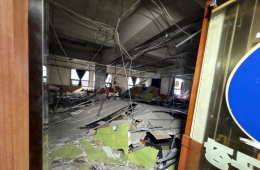
The scene of the forced eviction at the wedding hall (left) and the previous state of the wedding hall (right). Photo by Yonhap News
View original imageOn the following day, August 24, the court enforced the eviction, and the venue's interior decorations, including the virgin road, were removed. With only about 20 days left before her wedding, Ms. A had to hurry to book another venue. As a result of the venue change, she also needed to reschedule all pre-booked services with the dress, makeup, and photo studios. This forced eviction was reportedly the result of a prolonged rent dispute between the wedding hall operator and the building management.
During the COVID-19 pandemic, when the university was under lockdown, the Gonzaga Convention, which is located on campus, was severely impacted. As the operator failed to pay rent on time, Sogang International House Co., Ltd., which manages the building, began the compulsory execution process. The controversy centers on whether the operator continued to take new reservations after knowing eviction was possible. Ms. A claimed, "According to International House, they instructed the operator not to accept new bookings since December last year over concerns about potential damages, but the operator did not inform clients and continued to make contracts."
Controversy Over Bookings Despite Knowing About Eviction... Couples Who Signed Contracts in March Also Affected
It is reported that among the victims, there are couples who signed contracts as recently as March of this year. In contrast, the operator says that, in an effort to prevent the eviction, they filed for a stay of execution and lawsuits, making it difficult to predict whether the eviction would actually occur. The operator stated, "We requested several meetings to have the seizure lifted, but those requests were not accepted," and added, "We could not suspend business operations when the forced eviction had not actually taken place."

The point that victims should pay attention to is the Consumer Dispute Resolution Standards related to wedding services. According to the current standards, if a wedding hall contract is canceled due to the fault of the business operator, additional compensation criteria are established depending on the timing of the cancellation, in addition to the refund of the deposit. The Asia Business Daily
View original imageAn information session for affected couples was held on August 24, but no immediate solution was produced. The operator has announced plans to arrange for alternative nearby venues, refund deposits, and provide compensation within the legal framework. However, victims are also concerned about the additional costs arising from the venue change. If the date or time changes, they may have to pay schedule change fees or cancellation penalties to dress, makeup, and studio providers, and if the rental and meal costs at the newly secured venue are higher than before, the difference in cost will also be an issue.
Currently, 32 victims have gathered in a KakaoTalk open chat room created by Ms. A. Many of them are Sogang University alumni who chose the campus venue out of trust and fond memories of their alma mater. Similar incidents have happened in the past as well.
Previously, in February 2024, a major wedding hall in Mokdong, Yangcheon-gu, Seoul, saw a slew of wedding and first birthday parties canceled due to a court-ordered eviction following a rent dispute. At that time, affected couples also found themselves scrambling just days before their scheduled weddings, and similar controversy arose over whether the operator continued to take bookings despite knowing eviction was imminent. In Ulsan in 2022, a wedding hall suddenly shut down due to business reasons, forcing couples to secure new venues less than a week before their weddings.
Is a Deposit Refund the End? Additional Penalties and Venue Cost Differences Should Be Documented
The point victims should pay attention to is the Consumer Dispute Resolution Standards related to wedding services. Under current standards, if a wedding hall contract is canceled due to the fault of the business operator, additional compensation criteria are in place depending on the cancellation timing, in addition to the refund of the deposit. In particular, if the contract is terminated due to the business operator's fault between 29 days before the ceremony and the day of the ceremony, both a refund of the deposit and compensation of up to 70% of the total cost may be applicable.

Victims are also concerned about additional costs due to changes in the wedding venue. If the date or time changes, they may have to pay schedule change fees or cancellation penalties to dress, makeup, and studio providers, and if the rental fee and meal costs at the newly secured venue are higher than before, there will be a difference in cost. The Asia Business Daily
View original imageSince Ms. A was notified of the closure approximately 20 days before the wedding, if the operator is held responsible, these standards could serve as a key basis during her damage claims process. However, the Consumer Dispute Resolution Standards themselves do not have the legally binding force of a court ruling. If the operator disputes liability or the scope of compensation, victims may have to seek recourse through consumer dispute mediation or a civil lawsuit.
The core controversy in this case is whether the wedding hall operator bears responsibility. The operator claims that business operations were halted due to external factors such as disputes with the building manager and the court-ordered eviction. However, if it is confirmed that new bookings were accepted despite the operator's prior knowledge of a likely eviction, this could have a significant impact on the assignment of liability.
Victims are advised to collect and retain contracts, deposit transaction records, cancellation notifications from the operator via text messages or KakaoTalk, and receipts for any additional expenses incurred in booking new venues. If there is no agreement on deposit refund or compensation, victims can apply for consumer relief and mediation of disputes through the 1372 Consumer Counseling Center and the Korea Consumer Agency. For those who paid by card installment, it is also possible to check whether the 'installment payment defense right,' which allows consumers to withhold remaining installment payments under certain conditions, can be exercised.
Hot Picks Today
![[Exclusive] "We Warned You Four Times"... Another Defect Found in Bathroom at LH Happy Housing Site](https://cwcontent.asiae.co.kr/asiaresize/93/2023073107570824314_1690757828.png) [Exclusive] "We Warned You Four Times"... Another Defect Found in Bathroom at LH Happy Housing Site
[Exclusive] "We Warned You Four Times"... Another Defect Found in Bathroom at LH Happy Housing Site
- "Eerily Similar to the COVID-19 Crisis"... Mysterious Death at Russian Research Institute Revives 'Pandemic Nightmare' [Current Affairs Show]
- "Busan Is in Big Trouble"... One Cockroach Can Produce 350 Nymphs; Establishment Confirmed, Causing Alarm
- "Older people won't be able to tell"... Gang targets convenience stores with counterfeit 50,000-won notes printed on A4 paper
- "I Hate Dog Meat and Skate, Love Pizza" ... "Let's Meet" Frenzy Over Beautiful 41-Year-Old Nurse, But There's a Twist
However, simply being located within Sogang University does not make the university immediately liable for contractual compensation. It is necessary to determine the actual parties to the contract and clarify the legal relationships among the school, the building management, and the wedding hall operator. Ultimately, the key issue will be to establish from when and to what extent the operator was aware of the potential for forced eviction and whether it was appropriate to continue accepting new bookings in that context. The affected engaged couples are considering a joint response, demanding compensation not only for the return of deposits but also for the additional costs incurred from changing their wedding venues.
© The Asia Business Daily. All rights reserved. Unauthorized AI training and use prohibited.





![AI Investment and Inflation Pressures... U.S. Rates to Rise Again? [Weekend Money]](https://cwcontent.asiae.co.kr/asiaresize/307/2026071504434646114_1784058227.jpg)