Mayor Park Junhee of Gwanak: "Healing Gardens, Youth Capital... Now Is the Time to Reap the Fruits"
[Interview] Park Junhee, Mayor of Gwanak District
Full-scale Promotion of Six Key Objectives and 58 Tasks
Beyond Simple Green Spaces: Spaces for Communication and Healing
Youth Budget Expanded from 54 Million to 25 Billion Won
Introducing Youth Participatory Budgeting and Committee Allocation System
The place where I met Park Junhee, Mayor of Gwanak District, was "Gwanak Youth Center" in Bongcheon-dong, Gwanak District, Seoul. On the afternoon of August 24, after attending the awards ceremony for the "2026 Manifesto (Local Election Section) Commitment Award" by the Korea Manifesto Practical Movement Headquarters, Mayor Park came to the interview.
The award he received that day was the top prize in the election pledge book category. It marked his third consecutive win, following the 7th elected term in 2018 and the 8th in 2022, and he was the only recipient in this category for the 9th term in all of Seoul. Mayor Park said, "We were evaluated on how feasible the pledges are, whether we outlined specific funding plans and implementation timelines in the pledge book."

District Mayor Junhee Park is smiling while holding Gwanak, a youth-friendly city character, along with "Byeolnyangi" (left). Provided by Gwanak District.
View original imageMayor Park said that since being elected for a third term, the questions he asks himself have changed. After the last local election, Gwanak District organized a policy planning team and finalized a roadmap with six major objectives and 58 specific tasks.
He explained, "During my first and second terms, I focused on creating an innovative economic city with Gwanak S-Valley and laying the foundation for a Healing Garden City and a youth-friendly city. Now, with greater responsibility, it's time to deliver tangible results that residents can truly feel and to reap the fruits of the seeds we've sown."
Gardens Are Places That Heal the Heart
The area Mayor Park is currently investing the most effort in is the "Healing Garden City" initiative. Starting from in front of the district office, he plans to transform the streets into linear gardens, and four years from now, aims to make the entire Gwanak District a garden and healing space.
The reason Mayor Park emphasizes gardens lies in emotional stability and mental health. "In the UK, when people face mental health issues such as depression, prescriptions often include medicines and time spent in gardens," he said. "Working with soil, planting flowers and trees is said to be very beneficial for mental health." His key point is to go beyond simple green spaces, transforming them into places for residents to communicate, relax, and heal.
He added, "When new spaces are created, we establish gardens. However, the district office cannot manage all of them, and there are cost issues. Sustainability requires that residents tend these gardens themselves." For this reason, they operate a citizen gardener training program and have introduced a "garden allocation system" for community councils and various organizations. The goal is not simply to create pleasing views but to foster gardens that residents care for, enjoy, and that enrich them emotionally.
Mayor Park selected Byeolbit Naerin Stream as "Healing Garden City Zone 1." Along the foothills of Gwanak Mountain, 24 parks have already been renovated, and areas once darkened by food waste, domestic garbage, and illegal structures have been transformed into park golf courses, tennis courts, hydrangea gardens, and more.
Projects to create "Gwanak Mountain Sky Forest Trail" and a "Nature Recreation Forest" are also newly underway. The Sky Forest Trail is a barrier-free deck road stretching 22.88 km, connecting Sadang Station, Gwanak Mountain, the recreation forest, and Nangok Intersection, to be developed in stages. The aim is to complete the Sky Forest Trail by 2030 and the recreation forest by 2028. Mayor Park stressed, "Gardens are not a luxury but an urban asset whose value increases over time. Whenever land becomes available, we are committed to consistently turning it into gardens."
Youth Budget Increased 463 Times in 8 Years... Youth as Protagonists
Gwanak Youth Center, situated between Bongcheon Station and Seoul National University Station on Subway Line 2 and easily accessible, is a space that Mayor Park highlights as a symbol of youth policy. The project cost a total of 13 billion won to construct a stand-alone building with one basement level and seven floors above ground, with a total floor area of 1,528 square meters. Among youth-dedicated buildings across Seoul’s districts, it is the largest, drawing around 70,000 visitors annually.
Gwanak District has the highest proportion of youth population in the country at 41.7% among Korea’s 227 basic local governments, yet previously had no distinctive youth policies. With Mayor Park prioritizing youth, the youth-related budget—only 54 million won in 2018—has grown to approximately 25 billion won this year, increasing by a factor of 463 over eight years.
Mayor Park is especially focused on youth jobs and housing. He described support for employment and entrepreneurship through Gwanak S-Valley and the Startup Academy; connecting jobs through the Gwanak Stepping Stone Youth Employment Project; and simultaneously implementing housing and asset-building programs such as youth monthly rent support and the “Best Gwanak Youth Savings Account.” He emphasized the importance of ensuring job-seeking youth do not become isolated or reclusive after failed attempts to find employment.

Park Junhee, Mayor of Gwanak District, explained the direction of the 9th local government term, including youth policies and the Healing Garden City, during an interview with The Asia Business Daily on the 24th of last month. Provided by Gwanak District.
View original imageThe direction of youth policy for the 9th term is "youth as protagonists of policy." New initiatives include a "youth participatory budgeting quota system" in which youth propose projects and influence budgeting, a "committee-customized youth allocation system" requiring committees to appoint a mandatory proportion of youth members, and a "responsible reply system for youth proposals," which obligates relevant departments to review and release official responses to youth suggestions. The district also plans to introduce the “Gwanak-Style 1,000-won Meal,” allowing unemployed job-seeking youth to have a meal for just 1,000 won.
Hot Picks Today
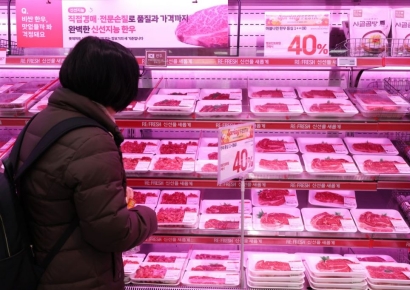 "I Wanted to Gift My Parents"... Beef Prices Soar Ahead of Chuseok
- "They Play With These All Day"...Hazardous Substances Found in Popular Elementary School Toys
- "Is It Okay to Sleep In on Weekends?"... Sleeping 1 Hour and 27 Minutes More Led to Surprising Results
- "Turned the Bus Around One Second Before the Bridge Collapsed"... Nepali Principal Saves Lives of 900 Students
- From 240,000 Won to 500 Million: The Incredible Twist of an Investment Rarer Than Winning the Lottery
Mayor Park said he routinely proposes to the central government the creation of a dedicated youth affairs ministry. He explained, "Most youth programs led by the central government are pilot projects that last only one year, but policy effectiveness depends on stability and continuity. To break down the silos of youth policies scattered across different ministries, a cabinet-level department dedicated to youth is essential."
© The Asia Business Daily. All rights reserved. Unauthorized AI training and use prohibited.