Korean Music Copyright Association Withdraws AI Music Registration Standards Revision... "To Discuss with National Assembly and Government"
Principle of Excluding 100% AI-Generated Works from Trust Registration Remains in Effect

The Korean Music Copyright Association has withdrawn its internal regulation revision that would have set standards for the copyright registration of music using artificial intelligence (AI). The association has decided to engage in discussions with the National Assembly, government agencies, and the cultural sector regarding the originality of AI-powered music and the scope of rights recognition.
On the 25th, the association held its 8th board meeting and resolved to withdraw the AI-related amendments to its "Regulations on the Reporting and Registration of Musical Works" and "Standard Trust Contract for Music Copyrights."
On August 3, the association announced that even if music is created with AI, trust registration would be permitted only for the portions in which a human creator substantively and proactively participated in the lyrics, composition, or arrangement process. Works generated solely by prompt input, so-called "one-click tracks" with no human creative contribution, were excluded from registration. By distinguishing between human and AI creative domains, the goal was to prevent false registration, distortion in the distribution of royalties, and future disputes over rights.
The association developed these standards over approximately three years of internal AI committee discussions, referencing institutional discussions in major foreign countries, points raised by the Board of Audit and Inspection, and requests from members and creators. However, since the originality and rights scope of AI-powered music is not solely an issue for the music industry but has broader cultural implications, it was suggested by the National Assembly that broader social discussion is needed. On August 18, the Ministry of Culture, Sports and Tourism also sent an official letter recommending extensive public discourse across the arts sector.
Accordingly, the association decided to withdraw its internal standards and launch new discussions involving the government, National Assembly, creators, and industry. It determined that the extent and registration standards for AI-powered works should be established within the frameworks of law and policy.
The association emphasized that withdrawing its internal regulations does not lower the threshold for registration of AI-generated works. The principle of not registering works that are 100% AI-generated without substantive human creative contribution will remain in effect. Reviews, monitoring, investigations, and follow-up actions to prevent false or fraudulent declarations and distortion of royalty distribution will continue, as permitted by current laws and regulations.
Works using AI that were submitted during the period in which the revised regulations were in effect will be reprocessed. For those already registered under the trust system, the association will notify the reporting members of how the withdrawal of the regulations will be handled and proceed with the deregistration procedure if requested. Works that have only been received but not yet registered will have their registration suspended until new policies on AI-powered music are established.
The same principles apply to membership applications made with AI-powered works. For those who have already completed the membership process, the association will inform them of the rationale for the withdrawal of the regulations and carry out contract termination procedures. Applications under review will be deferred until new standards are finalized.
The association also indicated that after the previous rule revision, there have been cases of voluntary reporting and correction of rights related to 100% AI-generated works, as well as voluntary returns of royalties generated from such AI works.
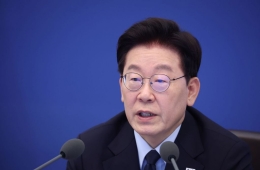
Lee Siha, president of the association, stated, "The purpose of the rule amendment was to protect the rights and fair compensation systems for human creators in the absence of established standards." He added, "Rather than remaining at the association's internal standards, the board of directors agreed with the opinions of the National Assembly and the Ministry of Culture, Sports and Tourism that widely accepted national standards should be established through robust discussion in the broader cultural sector."
Hot Picks Today
 "A Shortcut to Ruining Your Health? I Never Buy These": 3 Foods a Doctor Warns Against
- "Female Teachers Must Wear Skirts in Class"... Outrage Erupts Over Principal's Demand: What's Happening in North Korea?
- "I Put in 10 Million Won, but Only 2 Million Won Is Left" ... 77% Plunge Leaves Retail Investors in Samsung Electronics and SK hynix Leveraged ETFs Crying Out
- Japan at 15x, Korea at 4x... Samsung Electronics and SK hynix Back to Levels Seen 8 Years Ago
- "The leggings are all see-through. It's so embarrassing to look at," complaints prompt Lululemon to fire development staff.
He continued, "While we are withdrawing the previous amendments, establishing standards for AI-powered works is an urgent task that cannot be delayed further. We will work to ensure that legal and policy frameworks are established through discussions involving the National Assembly and the government."
© The Asia Business Daily. All rights reserved. Unauthorized AI training and use prohibited.