Retaliation for Reporting Sexual Harassment: Principal Sentenced to Death for Burning 19-Year-Old Female Student Alive
Accomplices Lure Victim to School Rooftop
Incident Sparks Outrage Across Bangladesh
76% of Bangladeshi Women Report Experiencing Partner Violence
Ranked 155th Out of 181 Countries on Women, Peace, and Security Index
A former Islamic school principal in Bangladesh, who lured a 19-year-old female student to the school rooftop and burned her alive in retaliation for reporting sexual harassment, has been sentenced to death again on appeal. This is the so-called "Nusrat Jahan Rafi Case," which shook the entire nation of Bangladesh in 2019.
On August 25, Yonhap News, citing AFP and local Bangladeshi media, reported that the Bangladesh High Court upheld the death sentence for former Feni district Islamic school principal SM Siraj Ud-Daula and his aide Shahadat Hossain Shamim.

As the incident became known, protests demanding severe punishment for the perpetrator and the eradication of sexual violence against women erupted across Bangladesh. Photo by AFP Yonhap News
View original imageThe ruling was delivered after 17 days of hearings. However, among the 14 accomplices who were sentenced to death alongside Daula in the first trial, four had their sentences commuted to life imprisonment, and the remaining ten were acquitted. Previously, the first-instance court had sentenced all 16 defendants to death in October 2019.
The incident dates back to March 2019. At the time, Nusrat Jahan Rafi, who was 19 years old, was attending Sonagazi Islamia Fazil Madrasa in the Feni district, about 100 kilometers from the capital, Dhaka. On March 27 of the same year, Rafi reported to the police, through her family, that she had been sexually harassed by Daula, the principal at the time.
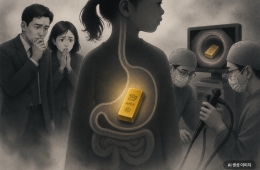
Even after Daula was arrested by police, the pressure on Rafi and her family continued. During the trial, it was established that from jail, Daula used acquaintances to pressure Rafi to withdraw her complaint and gave orders that she should be killed if she refused. Ultimately, on April 6 of the same year, the accomplices lured Rafi to the school rooftop. They demanded that she withdraw her complaint, and when she refused, they doused her with kerosene and set her on fire.
Rafi, who suffered severe burns all over her body, was transferred to the hospital but died on April 10, four days later. As the incident became widely known, protests demanding severe punishment for the perpetrator and the eradication of sexual violence against women were held across Bangladesh. Seven years later, the appellate verdict has been handed down, but Rafi's family says they are still facing threats of retaliation. Immediately after the verdict, Rafi's mother stated, "We respect and are satisfied with the court's decision," but added, "Our family is still under threat. What we need now is safety," and appealed to the government for protection.

Rafi, who suffered severe burns all over his body, was taken to the hospital but died four days later on April 10. As the incident became known, protests demanding strict punishment for the perpetrators and an end to sexual violence against women took place across Bangladesh. Photo by AFP Yonhap News
View original imageThis case has once again brought to the surface the deeply rooted issue of violence against women in Bangladeshi society. According to the "2024 Survey on the Prevalence of Violence Against Women," conducted by the Bangladesh Bureau of Statistics and the United Nations Population Fund (UNFPA), 76% of women surveyed reported experiencing partner-related violence such as physical, sexual, emotional, economic abuse, or controlling behavior at least once in their lifetime. In the past year alone, 49% of women said they had experienced such violence.
Notably, 54% of women reported experiencing physical or sexual violence from a partner at least once in their lifetime, while 2.2% reported being sexually assaulted by someone other than their partner. A significant proportion of victims of physical or sexual violence do not disclose the abuse. International indicators also reflect the complex circumstances facing Bangladeshi women.
In the World Economic Forum's (WEF) "2025 Global Gender Gap Report," Bangladesh achieved a gender gap closure rate of 77.5%, ranking 24th among 148 countries. This was a dramatic rise of 75 places from 99th the previous year, mainly due to increased political participation by women. However, the country ranked only 125th out of 172 on the United Nations Development Programme's (UNDP) Gender Inequality Index (GII), with a score of 0.487, which assesses reproductive health, female empowerment, and labor market participation. A GII score closer to zero indicates greater gender equality.
Hot Picks Today
 "Picked Up on a Walk, Brings Healing to Watch"... Why 'Brick Growing' Is the Latest Gen Z Hobby
- Lost Their Appetite at First Glance: "What's Wrong with the Naengmyeon Noodles? Truly Shocking"—AI Food Images Spark Controversy
- "Head Popping Out of a Manhole"... Who Are the 'Mole People' Roaming New York?
- After Three Years at an SME, Hoping for a 'Big Company Jump'... But the Odds of Being Unemployed Are 2.4 Times Higher [Youth at the Crossroads of Employment]
- "'Unpleasant Wind from Sweat' vs. 'What Else Can We Do in This Heat'... Subway Handheld Fan Debate Ignites First in Japan"
Furthermore, in the "2025·2026 Women, Peace, and Security Index (WPS Index)" by the Georgetown Institute for Women, Peace, and Security—which comprehensively assesses not only women's social participation but also access to justice and personal safety—Bangladesh ranked 155th out of 181 countries surveyed, with a score of 0.526, remaining among the lowest globally.
© The Asia Business Daily. All rights reserved. Unauthorized AI training and use prohibited.