Busan City Bus Strike Averted as Labor and Management Reach Dramatic 5% Wage Increase Agreement
With just three days left before a planned strike, labor and management of Busan city buses have agreed to a 5% wage increase, thus avoiding the threatened bus strike that was expected to take place this year.
The Busan Metropolitan City Government (Mayor Jeansu Jeon) announced that the labor and management sides of the Busan city buses reached a final agreement on wage negotiations at 4:45 a.m. on August 25.
The two parties agreed to increase the hourly wage—a key issue in the negotiations—by 5.0% compared with the previous year, setting it at 19,177 won. Last year, there was no separate wage increase as both sides had agreed to improve the wage system in line with a Supreme Court ruling on ordinary wages. This year, the rate of increase was determined by considering both the wage increase rate and the inflation rate.

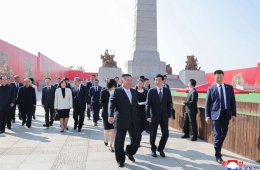
On the 25th, after the wage negotiation between the labor and management of the Busan city bus was settled, Busan Mayor Jeon Jae-su (center) stood in front of the camera holding hands with the labor and management representatives.
View original imageWith this agreement, disruptions to Busan city bus operations—originally expected as part of the National Automobile Labor Union Federation's general strike scheduled for August 28—have also been averted.
Since December 1 of last year, labor and management held a total of nine joint negotiation committee meetings up through August 12, but were unable to reach an agreement. As a result, they requested mediation from the local labor relations commission and continued last-minute negotiations through the first to third special mediation sessions.
The original deadline for the final negotiations was set for August 27. The local labor relations commission presented a mediation proposal of a 5.0% increase, which was accepted by both labor and management, leading to the final agreement in the early hours of the day.
During the negotiations, both sides agreed that it was essential to avoid any disruption to city bus services, which are directly tied to citizens’ daily lives. They shared the sense that, given the inconvenience caused by last year’s city bus strike on May 28, a repeat of such a strike must be prevented this year, and continued negotiations up to the last moment.
Hot Picks Today
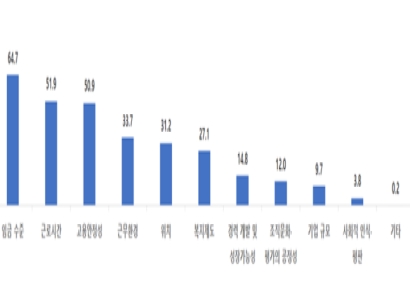 "Please Pay Me at Least 3 Million Won a Month": More Than Half of Young People Today Prioritize "Working Conditions" Over Company Size
- Selling Like Crazy Every Year... 30-Year-Old Hetbahn Takes on a New Challenge: Tastes Better Than "Mom's Home Cooking" [On-Site Report]
- Ran 18 km With 9-Year-Old Tied to Him at the Waist... "Man Banned From Competing for 3 Years"
- "Hey, Lady, Teach Your Kids to Behave!" ... 300,000 Won in Cash and a Bodily Injury Claim Demanded Over Child's Door Ding
- Beachgoer Finds 'Plastic' That Turns Out to Be Perfume Ingredient Worth More Than Twice as Much as Gold
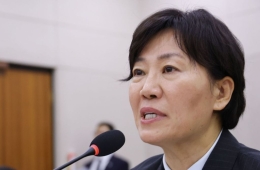
Mayor Jeansu Jeon visited the negotiation site and said, “I am grateful that both labor and management continued the dialogue to the end and managed to find common ground for the stable operation of city buses, which are directly connected to citizens’ daily lives. I will continue to listen to the voices of both sides and work together to ensure city buses can operate stably.”
© The Asia Business Daily. All rights reserved. Unauthorized AI training and use prohibited.





![[Market ING] KOSPI Seeks Rebound in Superweek Packed with Corporate Earnings and FOMC](https://cwcontent.asiae.co.kr/asiaresize/307/2026102514484873155_1792907327.jpg)