"Suddenly Facing Hundreds of Thousands More in Taxes, Owners Rush to Sell"... Gangnam Reconstruction Listings Surge After Tax Reform
Rising Real Estate Holding Tax Burden on High-End Gangnam Apartments
Shindong-A Listings in Suseo-dong Up 62%, Suseo Kachimaeul Up 40%
Gyeongnam Apartment Listings in Gaepo-dong Hit Two-Year High
After measures to strengthen the comprehensive real estate holding tax on ultra-high-priced homes valued at over 4 billion won were announced, the number of listings for reconstruction apartment complexes in Seoul's Gangnam area surged by more than 40%.

A property price list is posted in front of a real estate agency in Gangnam-gu, Seoul. Photo by Yonhap News.
View original imageAccording to Real Estate 114 on August 22, the day before the tax reform proposal was announced, there were 32 listings for Shindonga Apartments in Suseo-dong, Gangnam-gu. By the 21st, this number had grown to 52, representing a 62.5% increase. Listings for Suseo Kachimaru also rose by 40.4%, from 52 to 73 during the same period, and a total of 112 units in Gaepo-dong's Gyeongnam Apartments were on the market. The number of listings for Gyeongnam Apartments was the highest since October 2024. Across Seoul, total apartment listings increased by 4,000, from about 61,000 to 65,000 during this period.
A certified real estate agent in Gaepo-dong, Gangnam-gu, explained, "There is a high population of elderly residents, and under the newly announced tax reform proposal, the burden from holding taxes and other real estate taxes has increased, so some are listing their apartments as quick sales." Another real estate agent in Suseo-dong reported, "Owners with multiple homes or those who are non-resident single-home owners are also trying to sell their apartments quickly."
The increase in listings in the Gangnam area is primarily due to a desire to avoid paying higher comprehensive real estate holding taxes. According to simulations by the Ministry of Strategy and Finance, the holding tax for a non-resident owner of a 4 billion won apartment would increase by more than 11 million won compared to previous rates. Even those living in apartments of the same price level would see their comprehensive real estate tax burden rise by over 3 million won.
An official from Real Estate 114 stated, "As deductions for holding properties are reduced and incentives shift to owner-occupancy, the number of listings is increasing in high-priced reconstruction complexes in Gangnam as owners try to avoid higher taxes." The official added, "Following the August 3 real estate tax reform and the August 13 housing supply and financial measures, a series of real estate policies continue to be announced, leading to increasing counseling and inquiries at brokerage offices as various stakeholders try to understand the implications."
The rise in listings is causing home prices in Gangnam to trend downward. According to the Korea Real Estate Board, in the third week of August, the transaction price index in Gangnam-gu fell by 0.05% from the previous week. After dropping by 0.02% last week—marking the first decline in about three months—the index declined for a second consecutive week. The price index in Seocho-gu also fell by 0.09%.
However, trading activity remains sluggish. The uncertain outlook is due to the possibility of changes during National Assembly deliberations on the tax reform proposal. Industry experts noted, "Until the uncertainty is resolved, potential buyers are likely to continue waiting and watching the market."
Hot Picks Today
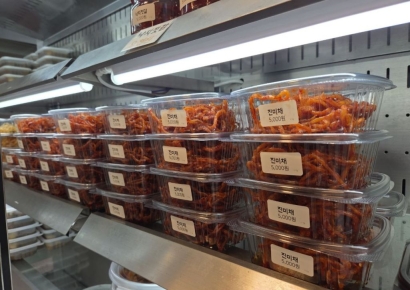 "Auntie, When Will Dried Shredded Squid Return as a Side Dish?"...Once Vanished from Restaurants, Now Making a Comeback
- "Saved Up for Overseas Trips, but When Can We Use Them?"... Korean Air Mileage Surpasses 3 Trillion Won
- "They Thought They Hit the Jackpot: Thieves Steal Nvidia-Branded Trailer, Flee After Discovering Only Sand Inside"
- Resident in Cardiac Arrest After Fire in Eunpyeong Multi-Family Residence on Chuseok
- Already 1,000 Examined, Stirring Up Protest: "Why Go to the Army When We Said No?" Students Rally in the Streets
According to the artificial intelligence (AI) price survey by Real Estate 114, apartment prices nationwide rose by 0.14% in the third week of August. Prices in Seoul rose by 0.13%, Gyeonggi Province and Incheon by 0.21%, resulting in a 0.17% increase in the metropolitan area. In non-metropolitan regions, the five major cities saw a 0.07% increase, while other regions saw a 0.03% rise. Out of all 17 provinces and major cities nationwide, 15 showed an increase, one remained flat, and one recorded a decline, demonstrating a predominance of areas with rising prices.
© The Asia Business Daily. All rights reserved. Unauthorized AI training and use prohibited.