Junggwan Kim Meets Lutnick for Second Consecutive Day, Finalizing U.S. Strategic Investment Coordination
Met Again After 3 Weeks to Discuss Key Issues and Project Timeline for Investment Candidates
Talks on Section 301 with USTR Representative Greer
Reviewing Shipbuilding Cooperation with OMB Director Vought

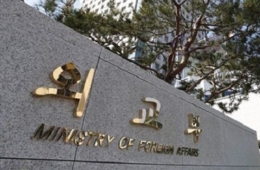
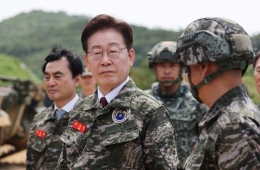
Minister of Trade, Industry and Energy Kim Jeonggwan held consecutive meetings for two days with U.S. Secretary of Commerce Howard Lutnick in Washington, D.C., focusing on coordinating a strategic investment project into the United States. As the government aims to finalize the first U.S.-oriented investment project as early as the end of this month, ongoing negotiations also include further trade issues such as Section 301 of the Trade Act and collaboration in the shipbuilding sector with U.S. officials.
According to the Ministry of Trade, Industry and Energy on August 19, Minister Kim visited Washington, D.C. from August 16 to this day and held a series of meetings with key members of the U.S. administration.
On August 17 and 18, Minister Kim met with Secretary Lutnick to discuss the strategic investment project targeting the United States, meeting again for the first time in about three weeks since their talks on July 22–23. Both sides discussed major issues and the implementation timeline for candidate strategic investment projects in the U.S. and sought common ground.
The core focus of this visit to the United States is the first U.S.-oriented strategic investment project. Upon arriving at Dulles International Airport near Washington, D.C. on August 16, Minister Kim spoke with reporters, stating regarding the USD 200 billion investment package in the United States, “There are still practical matters to finalize at the last minute,” and added, “Our goal is to make it happen by the end of August no matter what.”
The investment into the United States is a central aspect of the USD 350 billion investment package agreed upon during last year’s Korea-U.S. customs negotiations. Of this total, USD 200 billion will go toward strategic industry investment, while USD 150 billion is allocated for cooperation in the shipbuilding sector.
Until now, the government has primarily considered the energy sector as the first project. There have been reports that the U.S. recently requested investment in memory semiconductor manufacturing facilities and that this has altered the negotiation structure for the first project. However, the Ministry of Trade, Industry and Energy drew a clear line, stating, “It is not true that semiconductors are being discussed as the first candidate project for the strategic investment into the United States.” The ministry did not disclose specific Korea-U.S. consultation details.
An additional variable is the recent intensification of U.S. pressure for investment implementation. Concerns have been raised that delays in fulfilling the investment commitments to the United States could undermine the existing customs agreement, and the government is working to both specify the investment projects and maintain the balance of benefits secured under last year’s customs agreement.
On this day, Minister Kim will also meet with Jamieson Greer, U.S. Trade Representative (USTR), to discuss bilateral trade issues such as the Section 301 investigation. Given the possibility that the ongoing Section 301 investigation targeting Korea could lead to additional tariffs, maintaining the tariff conditions secured in the existing Korea-U.S. customs agreement is considered a key task.
Minister Kim will also meet Russell Vought, Director of the Office of Management and Budget (OMB) at the White House, to grasp the latest developments in follow-up policies to President Trump’s announcement to revitalize the shipbuilding industry’s foundation, and to discuss measures to strengthen U.S.-Korea shipbuilding cooperation.
Hot Picks Today
 "South Koreans Are All Buying It to Take Home"... This "Drug" Costs 350,000 Won in Korea but Just 80,000 Won in Japan
- "Sharing Credit Card Statements Could Spell Trouble for Couples"... Conflict Erupts Over 2.2 Million Won in Weekly Beauty Spending - What Happened?
- Woman Buys All 196 Apartment Parking Spaces, Installs Locks... Then Faces Lawsuit
- "It's just a cold," you think... Ignore it, and your whole body aches... "This illness" has surged 3.7-fold from last year [The Benefits Handbook]
- "Bride Lee Dogyeong, Groom Lee Dogyeong"... Couple Share the Same Name and Date of Birth: "This Must Be Fate"
The Ministry of Trade, Industry and Energy stated, “We will actively respond so that trade relations between Korea and the United States remain stable and the balance of interests achieved through last year’s customs agreement is maintained.”
© The Asia Business Daily. All rights reserved. Unauthorized AI training and use prohibited.