"Even When Both Are Sick, They Only Have Each Other"... Elderly Caring for the Elderly Becomes a Serious Social Issue in Japan
Surge in "Super-old-old Care" Among the Elderly
6.59 Million Seniors Aged 75 or Older Need Support
Deep-rooted Belief That "Care Is a Family Responsibility"
In Japan, which has entered a super-aged society, so-called “super elderly-to-elderly care” (“chou-nono care”), where couples aged 75 and above take care of each other, has emerged as a serious social issue.

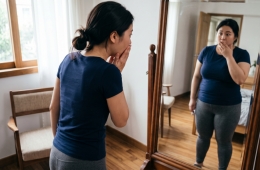
The photo is not directly related to the specific content of the article. Photo by Yonhap News Agency
View original imageOn August 18, Yomiuri Shimbun reported its analysis of the Ministry of Health, Labour and Welfare's “Status Report on the Long-Term Care Insurance Program,” noting that as of the end of last year, there were 6.59 million people aged 75 or older certified as needing care. This refers to individuals recognized as requiring care services through the country’s “long-term care insurance” system, which is similar to Korea’s Long-Term Care Insurance for the Elderly.
Among cases where a person in need of care is living together with their caregiver, 37.1% involved both parties being 75 or older—a situation defined as “super elderly-to-elderly care.” This rate has nearly doubled since 2001, when it was 18.7%.
Yomiuri explained the increase as a consequence of the so-called “Dankai generation”—those born just after World War II—entering their late 70s and 80s, combined with the rapid shift toward nuclear families following the nation’s period of high economic growth.
The newspaper highlighted the realities with the example of an elderly couple in their 80s living in Kagoshima Prefecture.
The 88-year-old husband, who has been paralyzed on the right side of his body since a stroke in his mid-70s, has nonetheless been taking care of his wife, who has suffered from dementia for the past five years.
The husband, who is right-handed, finds it difficult to drive due to the paralysis on his right side. In addition to suffering from diabetes and managing his own treatment, he must accompany his wife to the hospital and assist her with toileting, as well as handle cooking, laundry, and other housework on his own.
In the end, the couple moved last year into a rental apartment where both can receive care support. They have also been paying out of pocket for care services, such as help with bathing and meal preparation for the wife.
The newspaper pointed out that “super elderly-to-elderly care” is giving rise to other social problems, such as abuse. It explained that this is rooted in the deeply held belief in Japanese society that “care is the family’s responsibility.”
Among elderly people performing “super elderly-to-elderly care,” there are continuously reported cases where the caregiver, pushed to both physical and mental limits, ends up committing abuse or even homicide.
Hot Picks Today
 "Earned 500 Million Won in Three Months from Samsung Electronics"... Cash-Rich Samyang Foods' Stock Investment Revealed
- "Can't Stand My Child Falling Behind": US Parents Resort to Gambling and Loans for Back-to-School Purchases
- Express Bus Driver Personally Washes and Changes Clothes of Disabled Passenger After Accident
- Paek Jongwon's US Visit Sparks Two-Day Stock Surge... Will The Born Korea’s 'K-Sauces' Continue to Thrive?
- "Did They Really Have to Cast a War Criminal Descendant?" Heated Online Debate Over Japanese Actress in Hyukoh's New Music Video
Atsushi Yuhara, a professor at Fukuoka Social Medical Welfare University, stressed that “the national and local governments must enact laws and ordinances to spread the notion that society as a whole should support caregivers.” He also emphasized the need to “establish a framework to accurately assess and appropriately support the state of those providing care.”
© The Asia Business Daily. All rights reserved. Unauthorized AI training and use prohibited.