Gwangyang City Requests Mayor Min's Support for 'Five Core Projects in the Eastern Region'
Requests Include Ferry Service at Gwangyang Port, K-Container Production Base, and Attraction of National Institutions
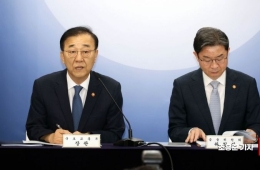
On August 12, the city of Gwangyang (Mayor Sung Hyun Park) announced that it had proposed five core projects to Min Hyungbae, the Special Mayor of the Jeonnam Gwangju Integrated Metropolitan City, aimed at leading future growth in Gwangyang and balanced development in the eastern region, as well as discussed ways to collaborate on key current issues.
The meeting was attended by Min Hyungbae, the Special Mayor of the Jeonnam Gwangju Integrated Metropolitan City, and Sung Hyun Park, Mayor of Gwangyang, among others. The city explained five core initiatives: the establishment of a regular ferry service at Gwangyang Port; the construction of a global production base for K-Containers; the establishment and attraction of national institutions in the environment and industry sectors to Gwangyang; the designation of the Gwangyang Bay Area as a specialized complex for national high-tech strategic industries; and the construction of a multi-purpose arena in the Gwangyang Bay Area. The city requested attention and support for these projects at the metropolitan level.

On the 12th, Seonghyun Park, mayor of Gwangyang City, met with Hyungbae Min, mayor of the Gwangju-Jeonnam Integrated Special City, to propose five core projects aimed at driving Gwangyang's future growth and balanced development in the eastern region. Photo by Gwangyang City
View original imageWith regard to establishing a regular international ferry route at Gwangyang Port, the city outlined a vision of operating ferries using the Jungma General Pier in Gwangyang Port and requested the metropolitan government’s cooperation to secure central government support. The plan is to expand Gwangyang Port’s function from logistics to include passenger and tourism services, thereby revitalizing international exchanges.
The construction of the K-Container global production base is a project to create a high value-added container manufacturing facility—such as dehumidifying and collapsible containers—using steel produced at the Gwangyang Steelworks. The city explained the need to promote this project to enhance the value of the steel industry and to foster a new industrial ecosystem.
Regarding the attraction of national institutions in the environment and industry sectors, the city emphasized the need to host the ‘Seomjingang River Basin Environmental Agency’ in Gwangyang, in line with the government’s promotion to upgrade the Seomjingang River to an independent water system and establish a local agency. Based on the geographic feature where river and sea meet and the concentration of key national industrial facilities, the city explained that Gwangyang is optimally positioned to manage both industrial and marine environments of the Seomjingang River basin and the Gwangyang Bay Area, and requested cooperation to realize this plan.
In addition, the city also recommended policy inclusion and support for several key agendas: the establishment of the ‘Southern Region New Industry Capital Development Agency’ in Gwangyang to oversee the industrial transformation in the southern region and foster future strategic industries; the designation of the Gwangyang Bay Area as a national high-tech strategic industry cluster; and the construction of a multi-purpose arena in the Gwangyang Bay Area.
Mayor Sung Hyun Park stated, “The projects proposed this time are key initiatives to enhance Gwangyang’s industrial and port competitiveness and expand the foundation for future growth. Through the transformation of Gwangyang, we will realize Gwangyang as the industrial capital of Korea and, by doing so, ensure that Gwangyang’s growth contributes to enhancing the competitiveness of the entire Integrated Metropolitan City in the eastern region. We will work closely with the metropolitan government moving forward.”
Hot Picks Today
 "Fears of a 'Robot Vacuum Repeat'... China Quietly Expands Its Reach Into Automotive Parts"
- Single-Home Owners with Apartments Over 300 Million Won in the Seoul Metropolitan Area to Be Banned from Jeonse Loans Without Residency Record [8/13 Real Estate Policy]
- Deposit Daily for a Month to Earn 10% Interest... Ultra-Short-Term Installment Savings Exceeds 100,000 Accounts in Four Days
- "Just Wanted a Cup of Tea at Starbucks"... 63-Year-Old Man Suffers Severe Injury to Genital Area
- "We Offer 33 Million Won a Month" ... Where Is the Bold Recruitment Limited to Doctors Over 60?
Gwangyang City plans to focus its administrative capacity by continuing to consult and cooperate with the Jeonnam Gwangju Integrated Metropolitan City and central government agencies to ensure that key agendas are reflected in policy and promoted smoothly in the future.
© The Asia Business Daily. All rights reserved. Unauthorized AI training and use prohibited.