Democratic Party Pension Special Committee Discusses Applying "Hahu-sangbak" to Basic Pension... "Adequate Safeguards Needed"
Democratic Party Lawmakers on the Special Committee Receive Report from Private Advisory Panel
The Democratic Party of Korea has initiated discussions on applying the "more to those with less, less to those with more" (hahu-sangbak) principle to the Basic Pension system. As the government announced plans to release a reform proposal during the second half of this year, which would provide larger Basic Pension payments to lower-income seniors—moving away from the current structure of equal payments to the bottom 70% by income—the party appears to have begun legislative support discussions for the reform.
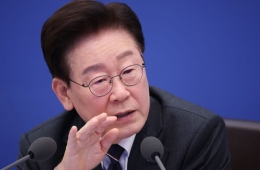
On August 12, members of the Democratic Party belonging to the National Assembly Special Committee on Pension Reform held a plenary meeting at the National Assembly and received a report from the private advisory panel on its activities. Nam Insoon, Deputy Speaker of the National Assembly and Chair of the committee, stated in her opening remarks, "The Basic Pension is a critical system that supplements the retirement income of seniors who, due to short National Pension contribution periods or low incomes, are unable to receive sufficient pensions." She emphasized, "Throughout the reform process, we must establish robust protective measures to ensure existing recipients do not suddenly see their benefits reduced or become ineligible for the program."

(Seoul=Yonhap News) Reporter Hyunwoo Shin = Nam Insoon, Deputy Speaker of the National Assembly and Chairman of the Special Committee on Pension Reform of the Democratic Party of Korea, is speaking at the full committee meeting of the special committee held at the National Assembly Members' Office Building on August 12, 2026. nowwego@yna.co.kr (End)
View original imageRegarding the planned reform of the Basic Pension to provide more to lower-income seniors under the hahu-sangbak approach, Deputy Speaker Nam stressed, "It is essential to establish adequate protective measures during the reform process so that current recipients do not experience a sudden reduction in benefits or lose their eligibility. In addition, there should not be significant disparities in eligibility or benefit amounts for seniors at the same income level simply based on slight differences in date of birth."
She further emphasized, "The core of the hahu-sangbak principle is not to diminish the role of the Basic Pension, but rather to more faithfully serve the policy's original goal of alleviating senior poverty. This is accomplished by allocating the available resources more generously to those in greatest need."
Deputy Speaker Nam stated, "For systems like the Basic Pension, which have a direct and broad impact on the lives of the public, reforms must be pursued through thorough discussions and a broad social consensus. The government and National Assembly must communicate sufficiently and adopt a collaborative approach by widely gathering public opinions when establishing the direction of reform."
Hot Picks Today
 "350,000 Won in Korea, 80,000 Won in Japan" South Koreans Chasing "Ppyeomalra" Flock to Japan... 5,000 Illegal Imports Caught
- "Sharing Credit Card Statements Could Spell Trouble for Couples"... Conflict Erupts Over 2.2 Million Won in Weekly Beauty Spending - What Happened?
- [Exclusive] Daiso Draws Shoppers for "3,000-Won Cosmetics"... and Also Boosts Sales at Nearby Olive Young
- "Only in Seoul," Foreigners Rave... Then Seoul Beats Tokyo to Claim 'World's Best Big City' Title
- Woman Buys All 196 Apartment Parking Spaces, Installs Locks... Then Faces Lawsuit
To this end, she noted the necessity of comprehensively examining the actual effectiveness of basic pension reforms in alleviating senior poverty, the conditions of different income and asset groups, the impact of the Basic Pension on livelihood benefits, and the consistency of the multi-tiered old-age income security system, including its relationship with the National Pension.
© The Asia Business Daily. All rights reserved. Unauthorized AI training and use prohibited.