Romiplate First-Line Reimbursement Expanded... Lowering Barriers to Severe Aplastic Anemia Treatment
Adult Patients Ineligible for Transplant or Without Donors
Can Use TPO-RA in Combination from Initial Treatment
Junho Jang of Samsung Seoul Hospital:
"Increases Response Rates and Reduces Transfusion Dependence"
Treatment options for patients with severe aplastic anemia (SAA), a rare blood disorder, are expected to expand. Until now, "Romiplate" (ingredient: romiplostim) had primarily been used as a secondary treatment for patients who did not respond to immunosuppressive therapy (IST). However, starting this month, it has become eligible for coverage under the National Health Insurance Program as a first-line treatment for newly diagnosed patients, reducing the financial burden on patients.

Professor Junho Jang, Department of Hematology and Oncology at Samsung Medical Center, explained the overview of aplastic anemia (AA), unmet treatment needs, clinical research results of Romiplate injection, and the domestic expert recommendations on severe aplastic anemia TPO receptor agonists at a press conference on the 12th. DKSH Korea
View original imageOn August 12, the Healthcare Division of DKSH Korea held a press conference at the Grand Hyatt Hotel in Gangnam-gu, Seoul and introduced the expanded first-line reimbursement coverage and clinical significance of Romiplate, a thrombopoietin receptor agonist (TPO-RA).
This reimbursement policy took effect on August 1, 2026, in accordance with the Ministry of Health and Welfare’s official announcement, and the maximum duration of reimbursable treatment is 6 months. Among TPO-RA drugs available in Korea, this marks the first instance where a drug is covered for first-line treatment of SAA.
As a result, adult SAA patients who are ineligible for hematopoietic stem cell transplantation or cannot find a suitable donor can now use Romiplate in combination with antithymocyte globulin (ATG) and cyclosporine (CsA) from the beginning of treatment. Until now, reimbursement was only available for patients whose other treatments had failed.
Aplastic anemia is a rare disease in which the number of hematopoietic stem cells in the bone marrow decreases, leading to insufficient production of blood cells such as red blood cells, white blood cells, and platelets. If the disease progresses to a severe state, patients require repeated transfusions and face increased risks of infection and bleeding.
While allogeneic hematopoietic stem cell transplantation is considered a curative treatment, this approach requires finding a suitable donor and takes into account factors like the patient’s age and overall condition. For this reason, for patients who cannot undergo transplantation, IST combining ATG and CsA has been the standard therapy. However, the hematologic response rate of conventional IST is only about 60–70%, and even after therapy, relapse occurs in 10–40% of patients, indicating clear limitations.
In the clinical trial that served as the basis for this expanded reimbursement, treatment-naive patients in Korea, Japan, and Taiwan who received Romiplate in combination with IST displayed a hematologic response rate of 76.5% at week 27. Of the 16 patients who required transfusions at the start of treatment, 13 (81.3%) either became transfusion-independent or reduced their transfusion requirements. Long-term follow-up showed that the hematologic response rate was maintained at 86.7% for up to five years, with no cases observed of progression to new chromosomal abnormalities, acute myeloid leukemia (AML), or myelodysplastic syndrome (MDS).
Professor Junho Jang from the Department of Hematology and Oncology at Samsung Seoul Hospital stated, “Adding a TPO-RA to IST increases the overall response rate to about 80%,” and explained, “In the future, some age groups may not necessarily have to choose hematopoietic stem cell transplantation as the first-line therapy.” While transplantation offers a high chance of cure, Professor Jang noted that non-transplant treatment options may become more attractive given the burdens and fears associated with complications such as graft-versus-host disease (GVHD).
Professor Jang also emphasized, “If more patients are able to become transfusion-independent with initial therapy and fewer progress to require transplantation or second-line treatment, it could result in significant socioeconomic cost savings.”
Although Romiplate was approved in July 2024 in Korea for use in combination IST in treatment-naive SAA patients, until now no reimbursement was provided, requiring patients to pay the entire cost out of pocket. With this extended coverage and the application of the rare incurable disease special case exception, the actual financial burden on patients is expected to be significantly reduced.
Hot Picks Today
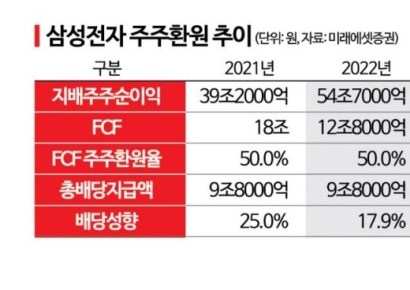 "Samsung 200 Trillion + Hynix 100 Trillion"... The 300 Trillion Won Shareholder Return Race Set to Reshape the Domestic Market
- How Did It Come to This... "People Use Credit Cards Knowing They Can't Repay": The Tragedy of Americans Relying on Debt for Groceries and Gas
- "You Could Even Go to Europe"...When to Catch This Fall's 11-Day Golden Holiday
- "On Liberation Day, Crushing Lee Wanyong's Liver Is Legal"... Traitor Mockery Festival to Be Held
- "Despite Complaints About Sweat, She Straps On a 15kg Bag and Pushes Through the Deadly Heatwave [Sociology of Heatwaves] ①"
Professor Jang added, “As efficacy and safety have been proven through clinical evidence for first-line SAA therapy in Korea, I hope this expanded reimbursement will help establish a new standard of care.”
© The Asia Business Daily. All rights reserved. Unauthorized AI training and use prohibited.






![[Class Action, the Trap of Excessive Remedies] ①A Single Incident Could Threaten the Existence of SMEs as the "Grave-Digging Law" Brings Retroactive Liability](https://cwcontent.asiae.co.kr/asiaresize/307/2026081115493176938_1786430972.png)