Regional SMEs Welcome Expanded R&D and Employment Benefits, Worry Over Abolished Employment Tax Incentives
Strengthened Tax Incentives for Non-Metropolitan SME Employment
Gradual Phase-Out of Tax Benefits for Employment Retention and Wage Increases
Rising Concerns Among SMEs with High Labor Costs
"Support Needed for Both Workforce Inflow and Long-Term Employment"
With the government set to bolster tax incentives this year to encourage research and development (R&D), investment, and workforce inflow at small and medium-sized enterprises (SMEs) outside the Seoul metropolitan area through its revised tax reform plan, expectations are growing among the SME sector. However, there are rising concerns that the burden on SMEs with high labor costs may increase, as some previous tax benefits for maintaining employment or raising employees' wages will be discontinued.

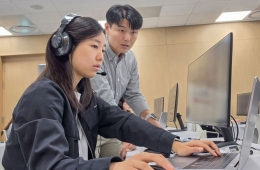
A notice is posted in front of the Job Plus Center at a university in Seoul. Photo by Yonhap News Agency
View original imageAccording to industry sources on August 11, the SME sector's expectations are mounting after the government included a series of support measures to strengthen the competitiveness of non-metropolitan SMEs in the "2026 Tax Reform Plan."
According to the Ministry of Economy and Finance, starting from R&D expenses incurred after January 1 next year, a new regional preferential system will be introduced for SMEs' tax credits for R&D and investment. Unlike the previous policy, which applied a uniform deduction rate to all SMEs regardless of location, the new system will apply differentiated tax credit rates by region, taking into account the distance from Seoul and local demographic and economic conditions, within an overall cap of 50% for all deductions.
The income tax reduction for SME employees has also been significantly expanded. Under the latest reform, the government will extend the tax reduction period for young people employed by SMEs outside the Seoul metropolitan area to a maximum of 10 years, while the tax reduction rate for older workers, persons with disabilities, and career-interrupted workers will be increased to as much as 90% for three years. This initiative is interpreted as an effort to alleviate chronic workforce shortages at regional SMEs by encouraging not only enterprise investment but also the inflow of talent to non-metropolitan areas.
In particular, tax support is considered one of the most effective means for SMEs on the ground. According to the "2025 SME Technology Statistics Survey" published by the Ministry of SMEs and Startups and the Korea Federation of SMEs, the utilization rate of tax support among SME technology development support programs stood at 20.6%, which was higher than that of funding support (17.6%), technology information provision (7.4%), and technical manpower assistance (2.3%). Since tax incentives are a widely used means of support, there is anticipation that expanding the credits will help increase SMEs' real investment capacity.
A representative of the SME sector commented, "Continuous R&D is essential for SMEs to remain competitive," and added, "Rather than grouping all non-metropolitan areas together, introducing differentiated tax benefits according to regional conditions will channel greater support to relatively disadvantaged areas, so SMEs outside major cities are likely to benefit and breathe easier."

Meanwhile, concerns are growing over the government's plan to discontinue some tax incentives that have supported employment retention and wage increases at SMEs. Analysts point out that for SMEs, which are relatively sensitive to labor costs, the reduction of tax benefits could undermine not only new hiring but also the capacity to retain existing staff and raise wages.
According to the new plan, the government intends to end, as of the end of this year, the "Special Taxation for Employment-Retaining SMEs," which has provided incentives to SMEs maintaining their workforce despite management difficulties, such as work-hour reductions. The "Earned Income Increase Tax System," which offers tax credits to companies that raise employee wages if certain conditions are met, will also be abolished when its application period ends in late 2028.
The government maintains that much of the original purpose of these incentives has been achieved and argues for the need to restructure tax benefits with low effectiveness in order to improve fiscal efficiency. In contrast, industry stakeholders contend that removing tax incentives designed to encourage employment retention and wage hikes is premature, particularly amid ongoing soft domestic demand and continued labor cost pressure. The key question remains whether this policy mix—expanding tax benefits to attract workers to non-metropolitan SMEs while reducing incentives for employment retention and wage growth—can produce effective results.
Hot Picks Today
 "Please Pay Me at Least 3 Million Won a Month": More Than Half of Young People Today Prioritize "Working Conditions" Over Company Size
- Selling Like Crazy Every Year... 30-Year-Old Hetbahn Takes on a New Challenge: Tastes Better Than "Mom's Home Cooking" [On-Site Report]
- I Thought Only 'Old Guys' Ate It... Young People Are Hooked on This 'Unusual Food' at Risk of Disappearing? [Delicious Stories]
- "Hey, Lady, Teach Your Kids to Behave!" ... 300,000 Won in Cash and a Bodily Injury Claim Demanded Over Child's Door Ding
- Beachgoer Finds 'Plastic' That Turns Out to Be Perfume Ingredient Worth More Than Twice as Much as Gold
No Minseon, policy chief at the Korea Small Business Institute, said, "I agree with the need to restructure tax incentives, but considering the disparity in employment conditions and wages between metropolitan and non-metropolitan areas, and between large companies and SMEs, abolishing the two systems would require great caution." He also stated, "To alleviate regional labor shortages, it is important to maintain relevant tax benefits that not only promote talent inflow but also create an environment where companies can retain such talent for the long term and improve wages."
© The Asia Business Daily. All rights reserved. Unauthorized AI training and use prohibited.