Serious Crime Investigation Agency Launching in October to Establish Five Joint Investigation Units... Controversy over Exclusion of Prosecutors
Five Joint Investigation Units to Be Deployed at Seoul, Suwon, and Daejeon Offices
The Serious Crime Investigation Agency, which is set to launch this October, will establish five joint investigation units involving agencies such as the police, the National Tax Service, and financial authorities. However, due to the continued policy of separating investigation and prosecution, prosecutors from the prosecution service—who do not have investigative authority—will be excluded from the structure, leading to ongoing debate over the agency’s operational methods and effectiveness.

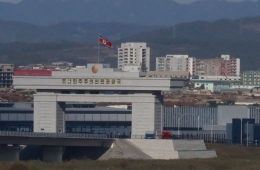
Kim Minjae, Vice Minister of the Ministry of the Interior and Safety, is holding a briefing on the opening of the Serious Crime Investigation Agency (SCIA) at the Government Seoul Complex in Jongno-gu, Seoul on August 4, 2026. Photo by Jo Yongjun
View original imageAccording to Yonhap News Agency on August 9, the proposed organizational structure for the Serious Crime Investigation Agency, currently under legislative notice, includes the deployment of a total of five joint investigation units at its Seoul, Suwon, and Daejeon offices.
The Seoul office will house joint investigation units focused on voice phishing, financial crime, and virtual assets; the Suwon office will be in charge of drugs; and the Daejeon office will oversee national fiscal crime. A total of 57 officials from other institutions—including 39 from the police and the Korea Coast Guard, and 18 from the National Tax Service, Korea Customs Service, and Financial Services Commission—are scheduled for temporary assignment.
The main issue is whether a joint investigation body without prosecutors can function properly. The Ministry of the Interior and Safety has announced the concept of the “Gongjungkyung” (prosecution service, Serious Crime Investigation Agency, and police) Joint Investigation Division, in which prosecutors from the prosecution service would not participate directly in investigations, but instead support the process through legal review and tasks such as warrant examination and submission. The launch preparation team of the new agency has also stated its intention to strengthen cooperation with the prosecution service at the warrant application and prosecution stages.
Hot Picks Today
 "Drinking This in the Morning Is Like Drinking Alcohol"..."Doctors Warn: Never Consume It"
- Songdo or the U.S.? Samsung Biologics' New Calculations After Receiving the Tariff List [Click e-Stock]
- Information of Even the Deceased Stolen...Denmark Hit by Data Breach Affecting 8.8 Million Despite a Population of 6 Million
- "My Debt Is 73 Million Won"... Sharing Every Repayment Led to an Unexpected Turn
- Is 'KOGUMA' Coming Too?... "Japan in Serious Trouble" - Archipelago on High Alert Ahead of Holidays
On the other hand, the Ministry of Justice points out a lack of legal basis. The ministry argues that if prosecutors from the prosecution service, who do not have investigative authority, become involved in the investigation process, it could cause issues with admissibility of evidence in court. Since current law prohibits the mutual dispatch of personnel between the Serious Crime Investigation Agency and the prosecution service, there is a call to amend the law to clearly define the authority and role of prosecutors.
© The Asia Business Daily. All rights reserved. Unauthorized AI training and use prohibited.