[Inside Chodong] Peru Anchovies and the Bank of Korea's Inflation Concerns
Heatwaves Fuel Inflation Through Structural Supply Shocks
Processed Food and Service Prices on the Rise... Driving Up Core Inflation
Structural Constraints on Central Bank Monetary Policy Demand Vigilance
![[Inside Chodong] Peru Anchovies and the Bank of Korea's Inflation Concerns](http://www.asiae.co.kr/news/img_view.htm?img=2026080715335573642_1786084434.png)
A breeze blowing over the weekend has eased the heat quite a bit. It is a welcome change, more so than ever. Last week, the intense heat outside my building was overwhelming and frightening rather than just uncomfortable. I felt as if the climate crisis, no longer content with mere warnings, was now taking real action and threatening us directly.
The heatwave is not only distressing on its own, but it also leaves lingering aftereffects, inflicting an additional round of hardship. A prime example is inflation. When heatwaves scorch farmlands, burning carrots and apples and wilting lettuce, farmers suffer and prices climb. While government subsidies for agricultural product discounts may offset some of this, the price impact remains direct.
This year, countries around the world have been battered by heatwaves. In Peru, anchovy catches have dwindled, and traffic through the Panama Canal has been disrupted by drought. The cause is "super El Nino"—a phenomenon where sea surface temperatures near the Pacific equator surge well above average, triggering abnormal weather worldwide.

Shin Hyun-song, Governor of the Bank of Korea, is attending the Monetary Policy Committee plenary session held at the Bank of Korea in Jung-gu, Seoul, on the 16th of last month, sharing opinions with the Monetary Policy Committee members. Photo by Joint Photographers
View original imageThis heatwave has also added to the concerns of the Bank of Korea, which puts price stability as its top priority. At last month's Monetary Policy Committee meeting to set the base rate, climate inflation was discussed. The concern is that abnormal weather caused by El Nino could disrupt global food supplies, potentially adding new pressure to domestic prices.
Although it was analyzed that abnormal global weather has not yet had a major impact on domestic prices, there are concerns that if climate inflation becomes reality, its knock-on effects—particularly via import costs—could deal a significant blow to consumer prices. Previous research by the Bank of Korea has also found that global climate shocks significantly increase the inflation rate and that the stronger the shock, the greater and more nonlinear its impact on inflation.
The growing severity of heatwaves each year is alarming because these structural supply shocks can continue to fuel inflationary pressure. Heatwaves do not only drive up the cost of fresh food. They eventually push up the prices of processed foods as well, and also trigger increases in service prices, such as dining out. This acts as a sticky upward force on core inflation—a key metric for monetary policy decisions—thereby limiting the room for maneuver available to the central bank.
Price pressure would persist even without the heatwave. One of the main reasons the Bank of Korea raised the base rate last month for the first time in three and a half years was inflation concerns. Monetary Policy Committee members are worried about demand-driven price pressure from the booming semiconductor industry. This month, inflation remains the key indicator for further rate hikes. Last month, Governor Shin Hyun-song promised to monitor core inflation closely, and the figure for last month (2.6%) rose compared to the previous month.
Hot Picks Today
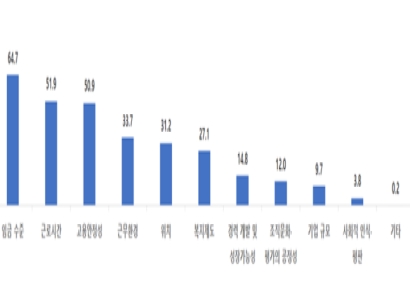 "Please Pay Me at Least 3 Million Won a Month": More Than Half of Young People Today Prioritize "Working Conditions" Over Company Size
- Selling Like Crazy Every Year... 30-Year-Old Hetbahn Takes on a New Challenge: Tastes Better Than "Mom's Home Cooking" [On-Site Report]
- I Thought Only 'Old Guys' Ate It... Young People Are Hooked on This 'Unusual Food' at Risk of Disappearing? [Delicious Stories]
- [Exclusive] Prosecution Service Overhauls Cartel "Leniency" Rules, Guarantees Reporting Firms' Legal Status from the Outset
- Beachgoer Finds 'Plastic' That Turns Out to Be Perfume Ingredient Worth More Than Twice as Much as Gold
Though the heatwave has relented, we must remember the fear it triggered. Just because its immediate effect on prices is limited and the cool wind has returned does not mean we should forget. Scorched crops will leave lasting aftereffects, and the threat of abnormal weather will only intensify the heat of future summers. The climate crisis has become more than an environmental issue; it is now a variable for inflation that central banks must factor into their calculations.
© The Asia Business Daily. All rights reserved. Unauthorized AI training and use prohibited.