Seoul Metropolitan Area Sale and Jeonse Prices Continue to Rise..."Concerns Over Tax Reform Fueling Loophole Practices"
"Clear Distinction Between Residential Use and Ownership Difficult"
"Widespread Loopholes to Exclude Officetels From Home Ownership Count"
As both apartment sale prices and jeonse prices continue to rise in the Seoul metropolitan area, concerns are mounting that the government's recently announced real estate tax reform proposal may lead to a surge in various loophole-seeking practices aimed at reducing tax burdens on the ground.

According to data from the Real Estate 114 Artificial Intelligence (AI) Market Research released on August 8, apartment prices nationwide rose by 0.14% in the first week of August. Of the 17 provinces and metropolitan cities, prices increased in 11, remained flat in 3, and declined in 3, with price increases prevailing in most regions.
In Seoul, apartment prices rose by 0.12%, while Gyeonggi and Incheon saw a 0.21% increase, resulting in a 0.16% overall increase for the broader Seoul metropolitan area.
The five major metropolitan cities (excluding the metropolitan area) and other regional areas saw prices rise by 0.04% and 0.03%, respectively.
Nationwide, jeonse prices for apartments rose by 0.09% in the first week of August. Of the 17 provinces and metropolitan cities, jeonse prices increased in 10, were flat in 5, and declined in 2 regions.

In Seoul, jeonse prices increased by 0.12%, while Gyeonggi and Incheon saw a 0.09% increase, resulting in a 0.1% change in the Seoul metropolitan area.
The five major metropolitan cities and other regional areas saw jeonse prices increase by 0.05% and 0.02%, respectively.
An official from Real Estate 114 explained the main intentions behind the government’s August 3 real estate tax reform proposal, categorizing them as: ▲ shifting the tax system from number of homes owned to home value-centric taxation ▲ reducing tax-saving advantages for non-residential ownership ▲ diminishing the tax-saving benefits of the so-called 'all eggs in one luxury basket' strategy (where real estate investors concentrate assets in one ultra-high-value property).
The official expressed concerns about the feasibility of clearly distinguishing between living in a property and simple ownership, noting that, for example, officetels (rental-yield investment properties) are often subject to widespread regulatory arbitrage as owners attempt to have them excluded from home ownership counts by claiming non-residential use.
Hot Picks Today
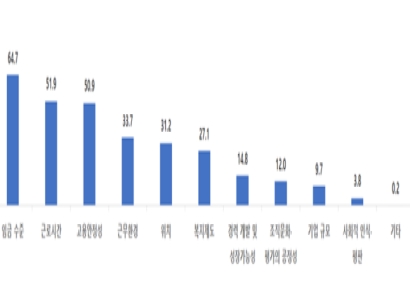 "Please Pay Me at Least 3 Million Won a Month": More Than Half of Young People Today Prioritize "Working Conditions" Over Company Size
- Selling Like Crazy Every Year... 30-Year-Old Hetbahn Takes on a New Challenge: Tastes Better Than "Mom's Home Cooking" [On-Site Report]
- "Americans Would Be Amazed If They Came": Wide-Eyed at a Sight They've Never Seen Before... Foreigners Also Fall for K-Baseball [K-Holic]
- "Hey, Lady, Teach Your Kids to Behave!" ... 300,000 Won in Cash and a Bodily Injury Claim Demanded Over Child's Door Ding
- Beachgoer Finds 'Plastic' That Turns Out to Be Perfume Ingredient Worth More Than Twice as Much as Gold
The official further predicted that, considering the range of unavoidable reasons recognized in the new tax proposal—such as moving residence, school attendance, work, illness, school transfer, extended overseas stays, and filial care for parents—many people will seek to reduce their taxes by changing their registered address or crafting qualifying exceptions, resulting in rampant attempts to exploit loopholes at the practical level.
© The Asia Business Daily. All rights reserved. Unauthorized AI training and use prohibited.