"Block Explicit Music and Tattoos": Han River Swimming Pools Face Surge in Complaints Amid Growing Crowds
300,000 Visitors in Two Months, Up 8% From Last Year
"Tattoo Restrictions Not Allowed... Plans to Improve DJ Performances"

According to the Seoul Metropolitan Government on August 6, a total of 306,958 people visited the six Han River park facilities—Ttukseom and Yeouido swimming pools, and Jamsil, Gwangnaru, Nanji, and Yanghwa water playgrounds—from June 19, the opening date this year, to July 30. This represents an increase of about 8% compared to the same period last year.
The main attraction of Han River Park swimming pools is their affordable entrance fees. The entry fee is 3,000 won for children, 4,000 won for teenagers, and 5,000 won for adults. Water playground admission is 1,000 won for children, 2,000 won for teenagers, and 3,000 won for adults.
In addition, this year, Yeouido Swimming Pool and Nanji Water Playground introduced DJ performances for the first time, which quickly spread via social networking services (SNS) and significantly increased the number of young visitors. With hot weather and tropical nights coinciding with extended evening hours, more people flocked to these urban summer spots.
Amid this, conflicts have recently arisen between family groups and younger people seeking leisure and cultural activities at Han River Park swimming pools. Complaints have been lodged about loud music depicting drugs and sexual acts being played during the day when children are present, as well as requests to restrict the display of tattoos or to deny entry to people with tattoos.
The Seoul Metropolitan Government has stated that as Han River Park swimming pools are public facilities open to everyone regardless of tattoos, access cannot be restricted simply due to discomfort or a sense of threat. While it would be difficult to completely suspend DJ performances, which are scheduled through the end of this month, the city plans to improve operational measures such as volume control, music selection, and performance times.
An official from the Seoul Metropolitan Government said, “Although the number of complaints this year has not increased significantly compared to last year, we will review the submitted feedback and address issues that require improvement.”
Hot Picks Today
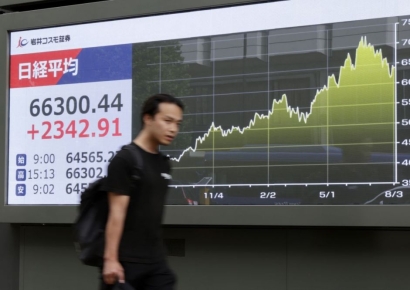 "Ruined Because of Korea" Even with a Sharp Rally, No One Buys... Japanese Market Sways with KOSPI
- '1,670,000 Won to 1,170,000 Won': SK hynix Hits Lower Limit Shock, Pre-market Opening Price Controversy
- Seoul’s 39-Degree ‘Extreme Heat’ Is Just the Beginning... Experts Warn: “It Will Persist Until 2050”
- "Don't Be Sad, Mom Was Very Happy"... Son Battling Illness for Life Saves Four Before Passing Away
- "Don't Worry, That's Just How It Is"... Thai Tourists in Korea Touched by Elderly Man Who Paid for Their Meal
In response to the sudden rise in visitors, the city plans to focus even more on safety and water quality management. From July 24 to August 16, the city has designated this period as the peak season intensive management period and is strengthening water quality controls. During this time, on-site inspections by Seoul city staff will increase from once per week to three times per week, and operation of pool filtration systems will be expanded from three times per day to five or more times per day. The city will also strengthen deployment of safety personnel in anticipation of increased visitor numbers.
© The Asia Business Daily. All rights reserved. Unauthorized AI training and use prohibited.