Pohang AI Data Center and Yeonggwang BESS Confirmed as 9th and 10th Regional Revitalization Investment Fund Projects
Simultaneous Expansion of AI Computing and Power Grids
Full-Scale Government–Private Collaboration on Investment
As part of the 9th and 10th Regional Revitalization Investment Fund projects, two initiatives have been selected: the construction of a KRW 780 billion dedicated artificial intelligence (AI) data center in Pohang, and a battery energy storage system (BESS) infrastructure project in Yeonggwang. The goal is to simultaneously enhance AI data center infrastructure and power facilities, thereby strengthening local advanced industry bases and expanding the regional investment model leveraging private capital.
According to the Ministry of Planning and Budget on August 6, the "Pohang AI Dedicated Data Center" and the "Yeonggwang Battery Energy Storage System (BESS)" have been chosen as the 9th and 10th projects in the Regional Revitalization Investment Fund portfolio. The 9th project, the Pohang AI Dedicated Data Center, involves a total investment of KRW 600 billion to establish a GPU-based, water-cooled AI data center with a substation capacity of 40 MW (32 MW IT load) in Gwangmyeong General Industrial Complex, Pohang, North Gyeongsang Province. Major permits have been secured and power supply arrangements completed, with construction scheduled to commence in the second half of this year and operations to begin in the first half of 2028. The construction phase is expected to generate approximately 4,300 jobs and induce a total production effect of KRW 1.2 trillion.

The 10th project, the Yeonggwang Battery Energy Storage System (BESS), will see a total investment of KRW 179.8 billion to build a BESS with a maximum discharge capacity of 80 MW and a storage capacity of 480 MWh in Yeonggwang County, Gwangju Metropolitan City, South Jeolla Province. The system can supply power for up to six hours and is designed to store surplus renewable energy and redistribute it during peak demand hours, enhancing both grid stability and renewable energy utilization. Construction began in the first half of this year, with completion set for December and operational launch targeted for early next year.
The government said that to date, a KRW 800 billion main fund has been raised, with 10 projects totaling KRW 4.4 trillion in investments having been selected. Starting with the first project—developing a mixed-use tourism complex on the former railway land next to Danyang Station in North Chungcheong Province and new residential facilities to attract workforce to the Gumi National Industrial Complex in North Gyeongsang Province—the Regional Revitalization Investment Fund has continued to support innovative regional developments.
The Regional Revitalization Investment Fund is a policy finance model where local governments and private entities identify projects tailored to regional needs, and then the main (parent) fund, underpinned by government fiscal resources, plays a catalytic role to attract private capital, thereby propelling the projects forward. The government, the Local Extinction Response Fund, and Korea Development Bank form the main fund, after which local governments and private investors establish sub-funds and invest in project-specific special purpose companies (SPCs).
Hot Picks Today
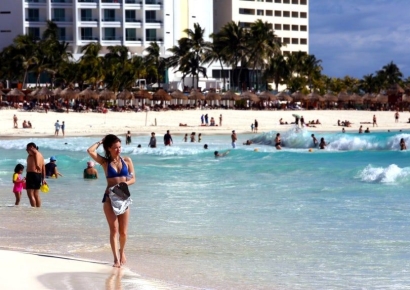 "Expensive, Smelly and Scary"... What's Happened to the "Honeymooners' Paradise" Tourists Have Abandoned?
- Women Who Say "A Husband's Annual Salary of 100 Million Won Is a Given"... Matchmaking CEO: "They Talk About It Like It's Nothing"
- "I Want to Eat Like Koreans..." Foreigners Who Once Opened Ramen Packs Now Keep Gochujang in Their Pantries
- Hong Rahee Gifts Samsung Electronics Shares Worth KRW 2.6 Trillion to Chairman Lee Jaeyong... Stake to Rise 0.17 Percentage Points
- "They Said Today Was the Cheapest..." "Let's Get Wedding Jewelry!" Why Did the Luxury Brand Crowds Flocked To Cut Prices by 1.08 Million Won?
The main fund can cover up to 50% of the sub-fund, while the sub-fund is responsible for approximately 20% of the total project cost; the remainder is financed through private sector loans and other channels. Through this, leveraging of at least 10 times the main fund investment is achieved. The government stated, "We plan to continuously support regional revitalization projects through risk sharing via the main fund, streamlined or exempt fiscal investment reviews, special guarantees from the Korea Housing and Urban Guarantee Corporation (HUG), as well as ongoing education and consulting."
© The Asia Business Daily. All rights reserved. Unauthorized AI training and use prohibited.