Acting National Police Chief: "Investigative Misconduct Offenders Will Be Barred from Working in Investigation Departments"
First Official Response from Police Leadership on the Amendment of the Criminal Procedure Act
Need for Strengthened Oversight and Sanctions as Investigative Authority Expands
The National Police Agency has announced new measures aimed at restoring public trust, including a plan to prohibit those found guilty of major investigative corruption from working in its investigative departments, ahead of changes to the criminal justice system following the revision of the Criminal Procedure Act.
Yoo Jaesung, Acting Commissioner of the National Police Agency, convened a nationwide videoconference with the police leadership at around 3 p.m. on August 4, stating, “Today, the amended Criminal Procedure Act was approved at the Cabinet meeting and is scheduled to take effect in October. The agency will commit its full efforts to preparations so that the concerns of citizens are addressed and the new criminal justice system can be successfully established.”

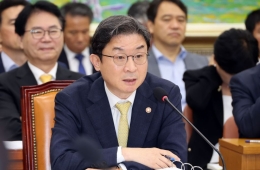
Yoo Jaesung, Acting Commissioner of the National Police Agency. Photo by Yonhap News
View original imageActing Commissioner Yoo first emphasized enhancing the completeness and professionalism of investigations. He announced plans to strengthen cooperation with the Serious Crimes Investigation Agency through various channels and to promptly and responsibly implement requests from prosecutors at the Prosecution Agency for supplemental investigations by engaging in close consultation. Additionally, he pledged that all investigative procedures by the police would be transparently recorded and made public.
Addressing concerns about the possibility of excessive concentration of investigative authority, Yoo stated, "Unchecked power is inevitably susceptible to corruption, and the police are no exception." He outlined plans to go beyond the strengthened procedural controls introduced by the amended Criminal Procedure Act—such as enabling the Prosecution Agency to request rotation of investigative agencies and expanding the number of parties who can file objections—by also implementing recommendations from the Police Investigation Reform Committee. These include measures such as extending restrictions to spouses and direct or indirect relatives of police officers, and establishing police investigative human rights and internal audit bodies.
Yoo stressed that not only would corruption during investigations be thoroughly monitored, but also that all inquiries regarding cases would be prohibited and any attempts to exert undue influence over cases would be met with strict measures, including mandatory disciplinary actions, to eliminate concerns about preferential treatment for former officials.
During the conference, participants reached a consensus on the necessity of enhancing monitoring and enforcement corresponding to heightened accountability. There are plans to institutionalize a policy that would completely bar individuals involved in significant corruption from working in investigative departments.
Hot Picks Today
 "30,000 Won in Korea, 70,000 Won in Japan"—Koreans Fill Suitcases as Illegal Direct Purchases Soar
- "Only 400m from Accommodation": Body Believed to Be Jang Miran Found After 104 Days, Sparking Investigation Negligence Controversy
- In Korea, It's a Beloved Side Dish... But Miami Spends $4.1 Million to Remove 9,000 Tons from Its Beaches
- Homeless Man with Necrotic Leg Refusing Help Opens Up to Police After Two Months of Consistent Visits
- "Monster That Eats Gold" Turns Out to Be Real: Uproar in China as 5-Year-Old Swallows $7,500 Gold Bar, Sparking Questions About Family's Wealth
Yoo underscored, "We will ensure that delays or gaps in police investigations do not result in unjust harm to citizens. The sole purpose of police investigations is to serve the people, and our only standard is the law and principles."
© The Asia Business Daily. All rights reserved. Unauthorized AI training and use prohibited.