"Why Diapers Among Adults?" Cooling Goods Boom Amid Heat Wave Hits Japan
Japan Sees Daily Highs Near 40 Degrees, Surge in Heatstroke Cases
Cooling Features Expand to Cosmetics, Sanitary Pads, and Diapers
58.3 Billion Yen Market... Explosive Growth Across Related Industries

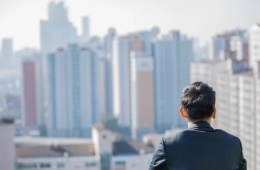
In Japan, where record-breaking heatwaves with temperatures nearing 40 degrees Celsius are continuing day after day, "body temperature lowering features" have become a new standard for consumer products. From frozen cosmetics to cooling sanitary pads and diapers, the market for so-called "cooling products" that directly reduce body temperature in daily life is rapidly expanding. This demonstrates that climate change is going beyond simply increasing demand and is actually reshaping the entire distribution and manufacturing industries.
Freeze it, Wear it, Cool Down... The 'Battle for Body Temperature' Now Part of Daily Life
According to the Asahi Shimbun on August 1, Japan is witnessing a swift spread of unique products designed to counteract the heatwave. Cosmetics company Shiseido has launched "Sorbet Serum," an essence that is frozen in the freezer before use. When left to freeze overnight, the gel transforms into a sorbet-like texture that quickly cools skin temperature.
The pharmaceutical and household goods sectors are also responding quickly. Kobayashi Pharmaceutical introduced a herbal medicine to help alleviate sleep disorders caused by tropical nights, while Unicharm released a "cool type" sanitary pad containing menthol ingredients.

What particularly stands out is adult diapers. Unicharm has expanded the use of "cooling" technology to everyday life by introducing paper diapers that lower the internal temperature by about 2 degrees Celsius, as well as cooling sheets for pets.
Heatstroke Cases Soar... Heatwaves Drive 'Survival-Oriented Consumption'
The background to these changes is the ongoing record-breaking heatwave. According to Japan's Fire and Disaster Management Agency, between July 13 and 19 this year, 10,857 people were hospitalized for heatstroke—a more than twofold increase from the previous week (4,580 people).

The impact of heatstroke at workplaces is also growing. Citing data from the Ministry of Health, Labour and Welfare, the Asahi Shimbun reported that last year in Japan, the number of people who either died or took at least four days off due to "occupational heatstroke" reached 1,803—a roughly 40% increase from the previous year. Such changes are causing structural shifts in consumer behavior, with people now choosing products based on survival needs.
The market for cooling products is also expanding rapidly. According to market research firm Intage, the Japanese "cooling product" market—including antiperspirants and cooling sheets—reached 58.3 billion yen (about KRW 522.9 to 531.8 billion) last year, growing more than 50% in just four years. Experts note that as heatwaves become prolonged, demand is expanding beyond the peak summer months of July and August, now covering June through September.

Trend Spreads to Korea... Changes Across Fashion, Beauty, and Retail
In Korea, cooling products targeting heatwaves are being launched in succession. Pet brand Popomong has introduced a cooling spray to ease heat stress for dogs, while "wearable fans," which lower the perceived temperature by 6–7 degrees Celsius by installing a fan inside clothing, are also gaining attention.
Changes are also evident in the retail sector. Daiso's "neck cooling band" sold out immediately after release, and on LF Mall, searches related to cooling surged by 66% compared to the previous year. At Musinsa, as of June, searches for "cooling innerwear" soared by 210%, while searches for "cooling" increased by 68%, "anti-tan items" by 81%, and "UV protection" by 54%. During the "Mujinjang Summer Black Friday" event, total combined online and offline sales reached KRW 283 billion, setting a new record.
The beauty market is seeing similar trends. According to CJ Olive Young, sales of cooling care products increased by 42% year-on-year for the April–June period. Sales of trouble care products rose by 41%, oil/sweat care by 29%, and UV protection products by 27%, respectively.
Hot Picks Today
 "Why Is the Amount in My Account So Low?"... Why Pension Savings Subscribers Were Surprised
- "After Sleeping Well with Strangers"... Who Is the 24-Year-Old Woman Who Won 19 Million Won?
- "SK hynix to Hit 4.7 Million Won, Samsung 670,000 Won"... Why Nomura's Bold Forecast justifies it
- "Even Underwear Has to Be Cut Up with Scissors"... China Hit by Rise of "Trash Hunters" in an "If You're Slow, You're Out" Scramble
- "NPS loses 240 trillion won, 1990s-born get zero pension"... What's behind rumors spreading after the KOSPI plunge?
Industry insiders are noting that the heatwave is not just a temporary phenomenon. One industry source said, "Now, temperature itself has become a key factor influencing product planning and marketing."
© The Asia Business Daily. All rights reserved. Unauthorized AI training and use prohibited.