Police Labor Council Sends Letter to Acting Commissioner General: "Present Evidence of Regional Collusion"
Police Labor Council Forms Joint Committee, Sends Protest Letter to Acting Commissioner General
Opposition to "Regional Collusion" Narrative Ignoring Positive Effects
Unilateral Increase in Inspection Staff Seen as Leadership's Evasion of Responsibility
The National Police Labor Council, which serves as a de facto labor union for police officers, sent a letter of protest to the acting Commissioner General of the National Police Agency opposing the expansion of the mandatory rotation personnel system. The council expressed its opposition to policies based on the misconception that "long-term service inevitably leads to corrupt collusion," arguing that such measures ignore the positive effects of community-based policing.
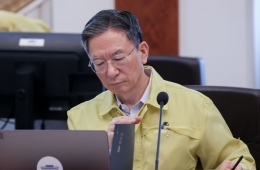
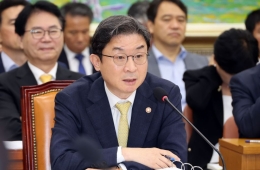
According to the police on August 3, the Joint Committee for the Improvement of Police Working Conditions (the committee), which is leading the protest, sent a letter to Acting Commissioner General Yoo Jaeseong stating, "The National Police Agency's plan to implement a mandatory rotation system and to increase personnel in internal affairs is classic bureaucratic mismanagement. These policies undermine the morale of frontline officers and shift the blame for leadership's lack of management and responsibility onto rank-and-file staff." The committee demanded the immediate withdrawal of the proposed measures and a formal apology from the leadership. Previously, the Police Labor Council established this committee in response to the expansion of the rotation personnel system.

The National Police Workplace Council (NPWC) shouted slogans such as "Opposition to Forced Rotation of Personnel" in front of the entrance to the Seoul Metropolitan Police Agency in Seodaemun-gu, Seoul, on the afternoon of the 29th of last month, before the nationwide joint meeting of police unit councils. Photo by Yonhap News
View original imageThe committee also called on authorities to stop treating all police officers as "potential criminals" based on the misconduct of a few individuals. Referring to the "Jang Yoon-gi incident," the committee clarified that the former head of the violent crimes unit at the Gwangsan Police Station in Gwangju destroyed key evidence, but this was an act of individual moral failure and not a structural problem resulting from long-term posting in a single region.
The committee stated, "The Jang Yoon-gi case is a result of individual ethical misconduct and failures in the internal management and inspection system, rather than a structural issue caused by long-term assignments in certain regions. Frontline officers feel deeply insulted by the leadership's attempt to evade responsibility by resorting to easy solutions such as forced transfers."
In particular, the committee urged police leadership to abandon the baseless narrative of regional collusion and demanded disclosure of objective data. Officers who have served for long periods in the same region have contributed to public safety through in-depth understanding of local issues and effective community-based policing. The committee asked whether there is objective evidence showing that the rate of collusion-related crime is significantly higher in non-rotating regions and, if so, to immediately disclose such data to the field.
The committee also strongly opposed the focus on strengthening internal inspection units rather than bolstering actual policing or investigative capacity. "Ignoring the shortage of frontline personnel and deciding to increase inspection staff without prior consultation with relevant departments only appears to be an attempt by leadership to cover up policy failures with surveillance and control. We strongly denounce the unilateral increase in inspection personnel as an effort to oppress the field through creating a climate of fear," the committee said.
In response to the investigation lapses and cover-up exposed by the Jang Yoon-gi incident, the police have proposed several countermeasures: expanding the rotation system, mandatory reporting of cases involving spouses and immediate family (Sangpi system), establishing an internal human rights and inspection investigation bureau within the National Police Commission, and creating a dedicated internal corruption investigation unit directly under the head of the National Investigation Headquarters.
Hot Picks Today
 "30,000 Won in Korea, 70,000 Won in Japan"—Koreans Fill Suitcases as Illegal Direct Purchases Soar
- "Only 400m from Accommodation": Body Believed to Be Jang Miran Found After 104 Days, Sparking Investigation Negligence Controversy
- In Korea, It's a Beloved Side Dish... But Miami Spends $4.1 Million to Remove 9,000 Tons from Its Beaches
- "Monster That Eats Gold" Turns Out to Be Real: Uproar in China as 5-Year-Old Swallows $7,500 Gold Bar, Sparking Questions About Family's Wealth
- Homeless Man with Necrotic Leg Refusing Help Opens Up to Police After Two Months of Consistent Visits
On July 27, the police launched the "Police Investigation Reform Committee for the Restoration of Public Trust," chaired by attorney Kim Nam-jun of Law Firm Si-Min (22nd class of the Judicial Research and Training Institute). The committee will continue to review the effectiveness of the police's proposed countermeasures, discuss necessary reforms to strengthen investigative capabilities, and collect opinions from the field.
© The Asia Business Daily. All rights reserved. Unauthorized AI training and use prohibited.