"Extreme Heat Isn't the Only Danger"... 72% of Bee Stings Occur from July to September, Caution Advised
KDCA Analyzes Emergency Room Patients from the Past Five Years
Most Snakebites Occur During Agricultural Activities
It has been observed that incidents involving bees or snakes tend to concentrate during the hot months of July to September, requiring extra caution.
According to an analysis released on August 2, 2026 by the Korea Disease Control and Prevention Agency (KDCA) using in-depth emergency room injury patient data from 2021 to 2025, there were a total of 3,405 cases of bee stings during this period. Among those stung by bees, 77 were hospitalized, and 15 people died. Notably, 71.9% of bee sting accidents occurred between July and September, and nearly half (46.3%) took place on weekends, coinciding with increased outdoor activities.

By age group, people in their 60s accounted for the highest proportion of bee sting patients at 27.0%, while those aged 70 and older made up 13.0%. In terms of location and activity at the time of the sting, infants through those in their 30s most commonly encountered bee stings during outdoor daily life or leisure activities. However, among those aged 40 and above, there was a noticeable concentration of bee stings in September during unpaid outdoor work.
From 2021 to 2025, there were 665 cases of snake bites. Among these, 60.2% (400 people) required hospitalization—a much higher rate than the 2.3% for bee stings. During the same period, 6 people died as a result of snake bites. A total of 56.8% of snake bite incidents occurred from July to September, with the highest occurrence in September (24.7%), followed by August (16.8%) and July (15.3%). By age, those in their 60s made up 30.2% of snake bite victims, while those aged 70 and older accounted for 24.5%, together representing more than half of the cases. At the time of the bite, the most common location or activity was outdoor leisure activities for children and adolescents, while it was agricultural facilities or farm work for seniors aged 60 and above.
The KDCA recommended that during periods of heightened risk, individuals should avoid provoking bees or attempting to catch snakes, and instead take shelter in a safe location. To prevent bee stings, it is advisable to wear light-colored, especially yellow, long-sleeved clothing. If stung by a bee, the stinger should be removed by scraping it off with an object like a credit card. If pain persists or allergic reactions occur, medical attention should be sought immediately.
Hot Picks Today
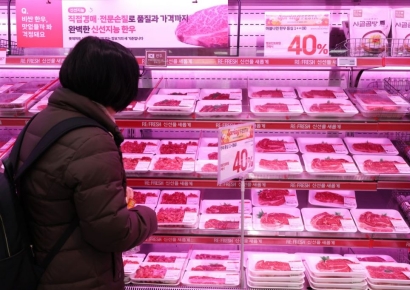 "I Wanted to Gift My Parents"... Beef Prices Soar Ahead of Chuseok
- "They Play With These All Day"...Hazardous Substances Found in Popular Elementary School Toys
- "Is It Okay to Sleep In on Weekends?"... Sleeping 1 Hour and 27 Minutes More Led to Surprising Results
- "Turned the Bus Around One Second Before the Bridge Collapsed"... Nepali Principal Saves Lives of 900 Students
- From 240,000 Won to 500 Million: The Incredible Twist of an Investment Rarer Than Winning the Lottery
To avoid snake bites, it is important to wear gloves, boots, and long pants when in the mountains or fields. If a snake is spotted, do not approach it; move away and call emergency services (119). If bitten by a snake, keep the affected limb lower than the heart and minimize movement as much as possible. Do not attempt to apply crushed herbs to the wound, cut the wound, suck out the venom by mouth, or consume alcohol or caffeine, as these actions may worsen the situation.
© The Asia Business Daily. All rights reserved. Unauthorized AI training and use prohibited.