Changwon Mayor Kang Ki-yoon: "The Safety of Field Workers Is an Inviolable Top Priority"
Changwon Special City Unifies Worker Response Standards for Heat Waves and Cold Waves
In Line with Ministry of Employment and Labor Guidelines
"The safety of field workers who labor in extreme heat and cold is a top priority that cannot be compromised."
Kang Ki-yoon, Mayor of Changwon Special City, emphasized this message as the city unified its response standards for workers facing both heat waves and cold waves.
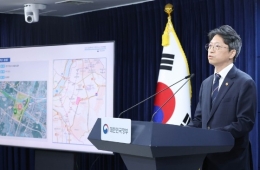
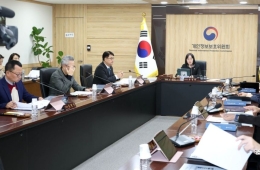
On August 2, the Changwon Special City government announced that it would unify response standards for extreme heat and cold waves and strengthen safety management for public sector field workers. This move comes in response to the recent streak of severe heat, aiming to thoroughly ensure the safety of workers in the field.

Previously, the city's departments used both the "real-time perceived temperature" standard from the Ministry of Employment and Labor and the "special weather alerts" from the Korea Meteorological Administration for work sites during extreme heat, leading to confusion. As a result, rest times and work suspensions varied by site.
To eliminate this confusion and resolve any "blind spots" in safety standards, the city will expand its measures beyond just extreme heat to include cold waves as well, and pursue three main strategies: ▲Unifying and integrating response standards ▲Mandating safety obligations at the contract stage ▲Strengthening supervision and inspections at the worksite.
First, the varied standards by department and project will be unified based on the guidelines of the Ministry of Employment and Labor. This standard will be applied consistently across all public sector work sites in Changwon, including city hall, field workers, consignment organizations, and affiliated agencies.
During periods of extreme heat, the following measures will be in effect: ▲Mandatory 20-minute breaks every two hours when the perceived temperature is 33℃ or higher ▲Mandatory 15-minute breaks every hour when the temperature is 35℃ or higher. In addition, suspension of outdoor work is recommended between 2 p.m. and 5 p.m., except in unavoidable cases. If the perceived temperature reaches 38℃ or higher, outdoor work—except for urgent disaster and safety management tasks—should be halted. In cases of extreme cold, the city will strictly enforce reduced working hours and rest time standards based on cold wave alerts to protect workers' health.
To enhance effectiveness beyond mere recommendations, the city will also improve its construction and service contract system. Changwon will include the unified response standards for heat waves and cold waves in bid announcements and task instructions, specifying the obligation of safety management from the bidding and contracting stages.
By reinforcing the contractual basis for these standards, the city aims to enable robust safety measures at work sites and create an environment where workers can fully exercise their rights to proper breaks and to stop work when necessary.
Mayor Kang Ki-yoon stated, "Unifying and formalizing these response standards in contracts is designed to guarantee workers the obvious right to 'rest when it's too hot or cold, and stop when it's dangerous.' We will continue to do our utmost to create a safe work environment that citizens can truly experience."
Hot Picks Today
 "Two Spend 500,000 Won in a Flash, Yet Wait Two Hours?" ... 'Dreamland' Shunned by Kids and Foreign Tourists
- The Era of Getting 200 Million Won After 30 Years Is Over... A Japanese Bank's "Perpetual Department Head" Who Just Clocked In Cries Out
- Spain Hit by Its Worst Tragedy... Lee Kangin, Moreno and Real Madrid Join Soccer World in Mourning
- They Said, “Make It Your Home for Life” - Then Suddenly Kicked 200 Passengers Off... What Happened to the Around-the-World Cruise?
- "130 Rice Bowls Sold Out in a Day"... 'Unfiltered Face' Adds 8 Million Won to Night Market Sales: China's Bungeunwoo
While it is commendable that Changwon City is establishing response standards for the safety of field workers, it is equally important for administrative guidance to ensure that these guidelines are communicated precisely and implemented in the field.
© The Asia Business Daily. All rights reserved. Unauthorized AI training and use prohibited.