"U.S. and Israel Plan Airstrikes on Iran’s Energy Facilities This Weekend"
Iran Vows Retaliation Against U.S. Facilities
U.S. media outlets reported on July 31 (local time) that the United States and Israel are preparing for a large-scale airstrike this weekend targeting Iran's oil and gas facilities, power plants, and other energy infrastructure. Iran has warned that if such an attack materializes, it will retaliate by striking U.S. energy facilities in the Middle East.
On the same day, CBS News, citing multiple sources, reported that the United States and Israel are discussing options to strike Iran's energy infrastructure on August 1-2 (local time).
To mitigate the shock to global financial markets, there was discussion about concluding the operation before the market opens on the 3rd. However, the specific end time for the airstrike has reportedly not been determined.

There were conflicting reports regarding whether U.S. President Donald Trump has given final approval for the strike. CBS News reported that President Trump has not yet granted final authorization for the operation. In contrast, the Wall Street Journal (WSJ), citing U.S. officials, stated that President Trump has approved the new strike plan and that the airstrikes could begin this weekend and continue for several days.
However, WSJ also noted that the attack may be put on hold if diplomatic progress is achieved or if President Trump reverses his decision. During a cabinet meeting held at Camp David in Maryland on this day, President Trump said that the United States would “hit back very strongly” against Iran.
Iran has warned of retaliation in response to the prospect of a U.S. attack. A senior Iranian security official told Tasnim News Agency that Iran has prepared a comprehensive response plan for any potential aggression by the United States and Israel, warning that Israel's key infrastructure and U.S. energy facilities in the Middle East could become targets.
The United States and Iran entered into negotiations after signing a ceasefire memorandum of understanding (MOU) in June, but resumed armed conflict due to disagreements over control of the Strait of Hormuz, among other issues. Last month, the U.S. launched a series of airstrikes in response to attacks on merchant vessels and U.S. military bases by Iran.
Hot Picks Today
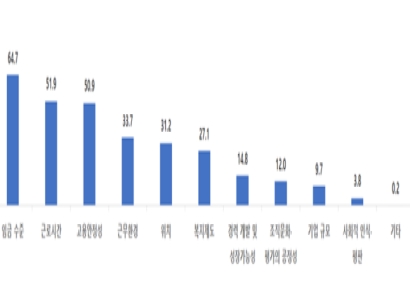 "Please Pay Me at Least 3 Million Won a Month": More Than Half of Young People Today Prioritize "Working Conditions" Over Company Size
- Selling Like Crazy Every Year... 30-Year-Old Hetbahn Takes on a New Challenge: Tastes Better Than "Mom's Home Cooking" [On-Site Report]
- He Left It in the Car and Forgot... "I Nearly Collapsed with Joy": Man Wins $1.48 Million Lottery
- Ran 18 km With 9-Year-Old Tied to Him at the Waist... "Man Banned From Competing for 3 Years"
- Beachgoer Finds 'Plastic' That Turns Out to Be Perfume Ingredient Worth More Than Twice as Much as Gold
Since the current airstrikes are aimed at Iran's oil and gas facilities and power plants — which are central to its economy — there are concerns that the conflict between the two sides could escalate into a full-scale war. Should Israel directly participate in the operation, this would mark the resumption of strikes against Iran about one and a half months after the ceasefire negotiations in June.
© The Asia Business Daily. All rights reserved. Unauthorized AI training and use prohibited.