Mayor Choi Won-yong Proposes Wide-Area Transportation Issues to MAWTC for "Pyeongtaek 30-Minute Living Zone" Realization
Pyeongtaek City Requests New and Expanded Wide-area Bus Routes from MAWTC
Proposes Wide-area Bus Expansion and Transportation Measures for Jije Station
Strengthening Cooperation with MAWTC to Realize the "30-minute Living Zone"
Pyeongtaek City, Gyeonggi Province (Mayor Choi Won-yong), has officially launched efforts to expand wide-area transportation networks connecting Seoul and the greater metropolitan area. In response to rapidly increasing transportation demand, the city plans to increase wide-area bus routes and strengthen transport infrastructure around Jije Station, aiming to reduce citizens' commuting times.

On the 29th, Pyeongtaek City visited the Metropolitan Transport Committee of the Ministry of Land, Infrastructure and Transport and held a meeting with the committee chairman to propose key metropolitan transportation issues for improving citizen transportation convenience and realizing the "Pyeongtaek 30-minute Living Zone." Provided by Pyeongtaek City
View original imagePyeongtaek City announced on the 30th that on the previous day, it visited the Ministry of Land, Infrastructure and Transport's Metropolitan Area Wide-area Transportation Committee (MAWTC), held a meeting with the chairman, and formally proposed key wide-area transportation issues to enhance citizens' convenience and realize the "Pyeongtaek 30-minute living zone."
During the meeting, discussions focused on establishing two new semi-public wide-area bus routes operated under the MAWTC, increasing the number of existing wide-area buses, and reflecting comprehensive transportation improvement measures in the public housing district development around Jije Station.
Specifically, Pyeongtaek City requested the introduction of two new semi-public wide-area bus routes: one connecting Pyeongtaek Jije Station - Sosabeol District - Yongjuk District - Gyodae Station, and another linking Seojeong-ri Station - Songtan Terminal - Brain City - Sadang Station.
In addition, the city emphasized the need to increase the number of buses (including the deployment of double-decker buses) on the M5438 and 5503 wide-area routes, which are heavily congested during commuting hours, in order to improve public transportation convenience for residents.
Furthermore, Pyeongtaek City requested that, in anticipation of rising transportation demand due to the development of the public housing district around Jije Station, infrastructure such as roads be fully reflected in the overall wide-area transportation improvement plan.
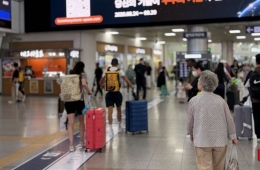
The city stressed that, with ongoing industrial complex construction, urban development, and population growth, demand for wide-area transportation to and from Seoul and the metropolitan area is rapidly increasing, making the expansion of transportation infrastructure an urgent task.
Mayor Choi Won-yong stated, "As Pyeongtaek grows into a key city leading the future industries of South Korea, the expansion of wide-area transportation is more important than ever. We will work closely with the Ministry of Land, Infrastructure and Transport, as well as MAWTC and other related agencies, to alleviate commuting inconveniences—which citizens feel most acutely—and to realize the 'Pyeongtaek 30-minute living zone' seamlessly connecting all areas of the city."
Hot Picks Today
 "Unable to Continue Mother-Son Relationship": Kim Youngsik Loses First Trial in Annulment Lawsuit Against LG Chairman Kwangmo Koo
He further added, "We will actively identify necessary wide-area transportation projects that make a real difference in the daily lives of our citizens, and focus our administrative resources on securing national funding and having these initiatives reflected in policies."
© The Asia Business Daily. All rights reserved. Unauthorized AI training and use prohibited.