European Tourists Stay Away Amid Middle East War... Southeast Asian Destinations Hit Hard
European Tourist Numbers Drop Amid Soaring Airfares
With both disruptions to air travel and rising airfares in the wake of the Middle East war, the number of European tourists visiting Southeast Asia is dropping sharply. As a result, countries highly dependent on European visitors, such as Cambodia, Thailand, and Indonesia, are seeing their tourism industries take a direct hit.
According to the New York Times on July 28 (local time), after U.S. and Israeli airstrikes on Iran, airfares connecting Europe and Asia have soared, with ticket prices on some routes nearly doubling. In addition, ongoing disruptions at major Middle Eastern aviation hubs such as Dubai and Doha have been cited as a reason for the overall decline in demand for long-haul travel.

Kon Moni, a taxi driver in Cambodia, used to drive at least four groups of tourists per week, but did not receive a single customer in May. He said that the war happening more than 3,000 miles (about 4,800 km) away in the Middle East has had a direct impact on his livelihood. He also shared that he has to ration infant formula for his seven-month-old daughter, expressing his concern: "I'm worried whether my child will be able to grow up healthy."
The tourism sectors in Cambodia, Indonesia, and Thailand are overall maintaining relatively stable operations, supported by demand from Asian tourists. However, specific cities and tourist sites with a high proportion of European visitors have been hit especially hard.
Lam Lan, 25, a chef at Siem Reap Angkor International Airport in Cambodia, has also not escaped the effects of the decline in tourists. His working days per month have dropped from 30 to 20, and his monthly salary has decreased from 250 dollars to 150 dollars. He said, "With my second child on the way, I can't even afford the necessary expenses."
Thailand, which is highly dependent on its tourism industry, is also suffering significant losses. In Phang Nga Province in southern Thailand, hotel booking rates have fallen by nearly half since the outbreak of the war. The Surakul Pier, which used to be crowded with tourists heading to Khao Phing Kan Island—famous as a filming location for the 'James Bond 007' series—now sees only quiet scenes. Chanipa Raklaem, 46, who collects boat usage fees at the pier, said, "Before, boats full of tourists would line up to enter, but now the boats are just docked," adding, "I'm afraid of how much longer this situation will last."
Hot Picks Today
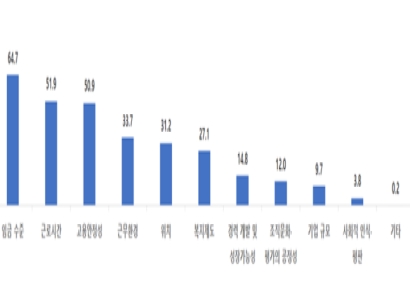 "Please Pay Me at Least 3 Million Won a Month": More Than Half of Young People Today Prioritize "Working Conditions" Over Company Size
- Selling Like Crazy Every Year... 30-Year-Old Hetbahn Takes on a New Challenge: Tastes Better Than "Mom's Home Cooking" [On-Site Report]
- He Left It in the Car and Forgot... "I Nearly Collapsed with Joy": Man Wins $1.48 Million Lottery
- Ran 18 km With 9-Year-Old Tied to Him at the Waist... "Man Banned From Competing for 3 Years"
- Beachgoer Finds 'Plastic' That Turns Out to Be Perfume Ingredient Worth More Than Twice as Much as Gold
The tourism industry is a key sector, accounting for about 20% of Thailand's Gross Domestic Product (GDP). However, experts believe that if the decline in European tourists continues for an extended period, it will place significant burdens not only on Thailand but also on broader economic recovery in Southeast Asian countries.
© The Asia Business Daily. All rights reserved. Unauthorized AI training and use prohibited.