Police Improve 2,039 Citizen-Proposed Issues... 112 Calls Down 6.2%
"Basic Order Re-Design" Project Yields Results in the First Half of the Year
Disorderly behaviors in daily life, such as street smoking, public drunkenness, and illegal leaflets—which cause discomfort for citizens—have been found to decrease thanks to the police's community-based policing activities.
The Seoul Metropolitan Police Agency announced on July 29 that it has improved 2,039 out of 2,185 citizen-proposed cases (93.3%) through its "Basic Order Re-Design Project." This project, which has been underway since February, focuses on addressing inconveniences and anxieties experienced by citizens in their daily lives.

Between February 1 and April 15, the police received suggestions from citizens via QR codes, social networking services (SNS), and resident meetings, and have acted on 2,039 cases by last month. The remaining 146 cases (6.7%) require actions such as securing budgets or enacting/revising ordinances, and will be addressed in stages in cooperation with local governments.
By field, in the area of environmental improvement, the agency responded to 807 out of 914 requests (88.3%) by installing CCTV cameras, street lights, security lights, and floor-projection “logojectors.” Public spaces and parks were refurbished, and smoking booths were installed. Regarding enforcement, 484 out of 497 citizen proposals (97.4%) were addressed through crackdowns or penalties. For areas such as strengthened patrol, guidance, publicity, and education, 748 out of 774 proposals (96.6%) were reflected in policy and activities.
The police stated that public safety indicators improved following the project's implementation. During the five months from February to June, the number of 112 emergency calls totaled 1,456,321, marking a decrease of 6.2% from the same period last year (1,552,061 cases). Reported code-4 calls—such as requests for consultation or complaints—also dropped by 15.1%, from 655,915 to 556,713. However, crackdowns on basic order violations increased by 37.8%, from 19,523 to 26,897 cases.
In addition, the police collaborated with the Seoul Metropolitan Government and local governments to secure 7 additional public psychiatric emergency beds to respond to suicide crisis situations in the first half of the year. Currently, a total of 33 beds are in operation across Seoul and its 20 districts. Since the establishment of an Eastern Region police response team in March, field dispatches for support including emergency hospitalization increased by 29.6%, from 485 to 629 cases.
The police also carried out special, student-tailored public safety activities. From May 13 to July 22, some 100,000 police personnel—including local police, metropolitan preventive patrol units, and civil public safety task forces—were intensively deployed around approximately 49,000 locations near schools. Safety assessments were conducted at 8,191 student zones, and 1,147 crime prevention facilities such as CCTV cameras, security lights, and emergency bells were newly installed or upgraded.
Hot Picks Today
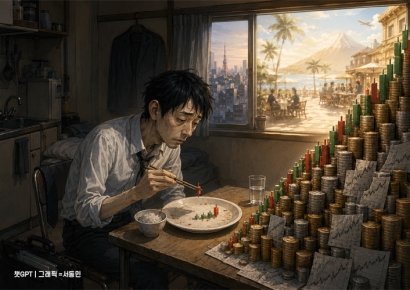 "Surviving on One Meal a Day to Invest 3.5 Million Won Monthly... 'FIRE' Craze Sparks 'NISA Poverty' in Japan"
- "Correction Over for Samsung and SK hynix" "670,000 for Samsung, 4.7 Million for SK hynix": Why Global IBs Remain Optimistic
- "Used for the Wedding" 300,000-Won Ring and Dress...Changing Wedding Trends
- Causing Trouble Without a Simple "Sorry"... The Reason Behind the 'Gen Z Stare' Revealed
- Nongshim Third-Generation Executive Sangyul Shin to Wed SKT Employee on the 13th
In the second half of the year, the police plan to expand preventive patrols in vulnerable areas and, through the "Basic Order Re-Design, Phase 2 Project," to work with Seoul Metropolitan Government and local governments to increase budgets for crime prevention environmental improvements, enact or revise ordinances, and expand public psychiatric emergency beds.
© The Asia Business Daily. All rights reserved. Unauthorized AI training and use prohibited.