How Did Noodles Become Daegu's Signature Dish?... Daegu Modern History Museum Themed Exhibition on Noodle Stories
The Daegu Modern History Museum is holding a special themed exhibition titled "Daegu's Noodle Factories and Noodle Stories" from July 28 to September 27 on the first floor in the "Daegu Modern Travel Guide Room."
The Daegu Modern History Museum regularly presents curated exhibitions on diverse topics such as the history of Daegu’s independence movement, urban transformation, notable figures and events, and aspects of everyday culture, thereby shedding light on Daegu’s history and providing citizens with a variety of experiences. This time, the museum focuses on the story of Daegu’s noodle factories and noodles, which hold significance in both the city’s industrial and daily life history.

A panoramic view of Punggukmyeon, the oldest noodle company in Korea, located in Nowon-dong, Buk-gu, Daegu.
View original imageNoodles are an indispensable part of Korean cuisine and are recognized as one of Daegu’s ten signature dishes (Daegu 10mi). Punggukmyeon, established in 1933 and known as the oldest noodle company in South Korea, is located in Nowon-dong, Daegu. Established in 1938 in Ingyo-dong, Daegu, Samseong Sanghoe also grew in popularity with its signature product "Byul Pyo Guksu". Daegu boasts many famous noodle restaurants, and the noodle eateries in Seomun Market are visited daily by both locals and tourists. These points inspired the planning of this thematic exhibition.
The exhibition introduces records about Korean noodles, the early noodle industry including Hwan Gil Jemyeon and Samseong Sanghoe’s "Byul Pyo Guksu," and illustrates how noodles became popular through the distribution of U.S. aid flour and the promotion of mixed grain meals after Korea’s liberation. It also showcases the major types of noodles in Gyeongsang-do, Punggukmyeon’s factory, the distribution of noodle factories in Daegu during the 1960s, and more.
Key items on display include a traditional noodle press used in home-based noodle making, the "Sopyo Guksu" packaging from Daeyang Jemyeon in Daegu, "Mal Pyo Udon" wrappers from Dakpyo Guksu Factory, relief flour sacks from U.S. aid supplies, the "Articles of Association of the Daegu Noodle Manufacturers Association," the "Daegu Commerce and Industry Directory" (1962), actual noodles, and a variety of photographic materials.
Shin Hyungseok, Director of the Daegu Museum Operations Division at the Daegu Foundation for Arts and Culture and current head of the Daegu Modern History Museum, commented, "One can discover Daegu’s past and present in an engaging way through its noodle factories and noodles. We hope visitors will enjoy the exhibition and make the day special by having a bowl of noodles at a nearby shop after their visit."
Hot Picks Today
 "End of Samsung and SK Hynix’s Dominance?" CXMT Soars 466% on IPO Debut... Founder’s Wealth Jumps 300%
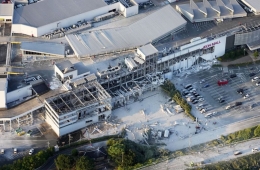
- "Strong Earthquake Causes Partial Collapse of Kyushu Shopping Mall... Many Reportedly Trapped Inside"
- "Voter Numbers Misentered"... Vote Statistics Manipulated in Gimpo, Uiwang, and Jincheon During June 3 Local Elections
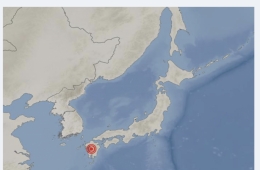
- IAEA Says "No Damage Reported at Sendai Nuclear Plant After Japan Earthquake"
- Prosecution Requests Arrest Warrant for Entertainment Agency CEO Chagawon on Multi-Billion Won Fraud Charges
Meanwhile, the Daegu Modern History Museum is also successfully holding a special exhibition commemorating its 15th anniversary, "Unextinguished Flame: Daegu Student Independence Movement," and will host four children’s experiential learning sessions linked to the exhibition in early August. On August 26, the museum has also prepared a special lecture by an expert that will explore noodles from the Daegu and Gyeongbuk regions.
© The Asia Business Daily. All rights reserved. Unauthorized AI training and use prohibited.