Macquarie: “U.S.-Iran Deal Could Lead to Year-End Oil Market Oversupply”
"Easing of Tensions Possible Within Weeks"
Oversupply of 2 Million Barrels per Day Expected in Q4
There are projections that if the United States and Iran move to ease tensions ahead of the midterm elections, the international oil market could return to an oversupply situation before the end of the year.

According to Bloomberg News on the 27th (local time), Vikas Dwivedi, energy strategist at Macquarie, stated in an interview on the 24th that the easing of tensions between the U.S. and Iran "could happen in weeks rather than months." He explained, "Currently, the U.S. has a kind of put option, but its value is diminishing as time passes, and the expiration date is the midterm elections."
Although the possibility of a comprehensive peace agreement being reached in the short term is low, he noted that if tensions between the two sides ease, Middle Eastern crude oil supplies could resume. Dwivedi predicted that the oil market would fall into “significant oversupply” as soon as an agreement is reached.
Even before the onset of war at the end of February, the oil market was already worried about a potential oversupply. However, the outbreak of war led to a sharp decrease in supply by several million barrels per day, resulting in a much tighter market situation.
Macquarie forecasted that if U.S.-Iran tensions subside, oil inventories would start to rise again, resulting in an oversupply of 2 million barrels per day in the fourth quarter of this year. The company further projected that the oversupply could grow to 4 million barrels per day in the first quarter of next year.
The motivation for U.S. President Donald Trump to reach a deal to end the war is increasing. With fewer than 100 days left before the November midterm elections, the Republican Party is seeking to retain its majority in Congress. As the national average gasoline price in the U.S. has once again surpassed $4 per gallon, oil prices and inflation have emerged as key concerns among voters.
Iran, for its part, may worry that the United States could take more aggressive military action after the midterm elections. Although Iran secured some concessions from the U.S. during previous ceasefire negotiations that have since lost their effectiveness, extended warfare continues to result in economic pressure.
Currently, the international crude oil market is simultaneously exposed to multiple geopolitical risks. The U.S.-Iran war persists, and the Strait of Hormuz remains effectively blocked. Iranian-backed Houthi rebels in Yemen are attacking Saudi oil tankers transiting through the Red Sea.
On the 27th, international oil prices fell, as the United States temporarily suspended attacks on Iran. President Trump described this as a measure to give diplomacy another chance, but it remains unclear whether any substantive negotiations are actually underway between the U.S. and Iran.
Macquarie predicted that should tensions ease before the midterm elections, reciprocal concessions from both sides would be inevitable. As one possible example, the firm suggested the introduction of transit fees for ships passing through the Strait of Hormuz.
Hot Picks Today
 "End of Samsung and SK Hynix’s Dominance?" CXMT Soars 466% on IPO Debut... Founder’s Wealth Jumps 300%
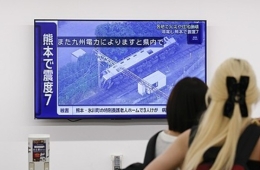
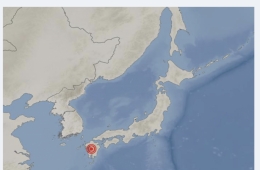
- "Strong Earthquake Causes Partial Collapse of Kyushu Shopping Mall... Many Reportedly Trapped Inside"
- "Voter Numbers Misentered"... Vote Statistics Manipulated in Gimpo, Uiwang, and Jincheon During June 3 Local Elections
- "Detained in His 40s After Stabbing Merchant with Weapon to Return to Prison Due to Financial Hardship"
- Prosecution Requests Arrest Warrant for Entertainment Agency CEO Chagawon on Multi-Billion Won Fraud Charges
Dwivedi characterized the imposition of transit fees as an “unavoidable outcome,” adding, “It is clear that the United States has no realistic means to prevent Iran from blocking the strait.” However, he also noted that Iran may continue to face restrictions on accessing several billions of dollars in funds frozen overseas.
© The Asia Business Daily. All rights reserved. Unauthorized AI training and use prohibited.