Gwanak District Wins Health and Welfare Minister's Award for Identifying Households in Welfare Crisis
Identified 1,782 Households and Connected 2,384 Support Cases During the Winter
On July 27, Gwanak District in Seoul announced that it received the Minister of Health and Welfare Award for its achievements in identifying households at risk of falling through the social safety net during winter and connecting them to customized welfare services.

Gwanak-gu Office (center, Junhee Park, Mayor of Gwanak-gu), selected as an outstanding institution for discovering and supporting welfare crisis households during winter. Provided by Gwanak-gu Office.
View original imageFrom November last year through February this year, the district ran a special initiative focused on discovering and supporting households facing welfare crises during the winter, identifying 1,782 households and coordinating 2,384 support cases including public benefits, private resources, and care services. This award recognizes the district's effective system that links administrative support to welfare services when residents detect signs of crisis in their communities.
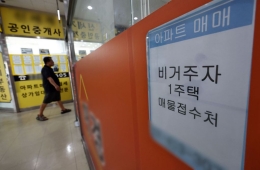
Gwanak District implemented a participatory program to identify vulnerable households that were difficult to detect using only administrative data. A representative effort, called "Our Neighborhood JUJU Day," had community leaders such as block and neighborhood heads check for signs of living crises, including uncollected mail, overdue bills, or prolonged absence, and report these to local community centers and the welfare office. Additionally, through the "Fantastic Welfare Platform," operated with the Gwanak branch of the Korea Association of Realtors, local realtors familiar with area conditions helped the district identify and support households that were difficult to track using administrative networks, such as those who had not officially registered their residence.
The district also improved reporting accessibility via its website, welfare counseling centers, and a KakaoTalk channel. It operates an integrated support system in collaboration with the Gwanak Police Station, Gwanak Fire Station, and local community welfare centers, managing households discovered through crisis reports or on-site emergency visits—from initial counseling and crisis assessment to service connection and aftercare monitoring. Reflecting the district's high proportion of single-person households, the district has also established a "Gwanak-style Small Single-person Household Support Center" at each of its 21 community centers.
Hot Picks Today
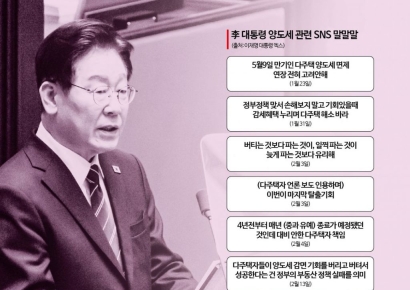 "Sold Early Trusting President Lee, Lost Tens of Millions... Public Outrage Grows over Temporary Easing of Capital Gains Tax Surcharge"
- "Burry From 'The Big Short' Warns of Possible Repeat of 1987 Crash Even as S&P 500 Hits Record High"
- Small Business Owners File First Minimum Wage Cancellation Lawsuit in Nine Years: "We Can't Endure Any Longer"
- Sold Out Immediately After Launch but Lost Principal in Two Months... Will the September Relaunch Succeed Again?
- "It's Haeundae, So What?" "But Not at the Supermarket" -- The Intensifying 'Bikini Debate'
Park Junhee, Mayor of Gwanak District, stated, "The start of identifying those in the welfare blind spot is often not administrative data, but the concern of neighbors. The active participation of residents, who did not overlook even the smallest signals, was the main driver of this achievement. Going forward, the district will continue to work with residents to proactively identify households in crisis and further strengthen a community-based welfare safety net, so that detected signs of crisis can quickly lead to support."
© The Asia Business Daily. All rights reserved. Unauthorized AI training and use prohibited.