"I Couldn't Even Ask Questions"... The Unspoken Words of Cancer Patients Undergoing Radiation Therapy
Samsung Seoul Hospital Conducts In-depth Interviews with 24 Radiation Therapy Patients
Combined Burdens Include Lack of Information, Short Consultation Times, and Long-distance Outpatient Visits
"Need to Strengthen Communication and Emotional Support Beyond Treatment"
Cancer patients undergoing radiation therapy have been found to face a variety of challenges, including insufficient communication with medical staff, anxiety about the treatment process, repeated outpatient visits, and gaps in caregiving support.
Samsung Seoul Hospital announced on July 27 that a research team led by Professors Heechul Park and Taehun Lee from the Department of Radiation Oncology, together with Professor Junghui Yoon from the Quality of Life Research Center for Cancer Patients, conducted in-depth interviews with 24 cancer patients who were about to begin, currently undergoing, or had finished radiation therapy. The results were published in a recent issue of the International Journal of the European Oncology Nursing Society.

Professors Heechul Park, Junghui Yoon, and Taehun Lee at Samsung Medical Center. Samsung Medical Center
View original imageThe research team conducted interviews from March 2024 to March 2025 with nine patients with head and neck cancer, eight with liver cancer, and seven with lung cancer. Each interview lasted between 30 and 50 minutes, focusing on patients’ experiences and difficulties before and after treatment.
The most commonly cited issue by patients was a lack of information and communication. Because consultation times were short compared to long waiting periods, patients found it difficult to ask all their questions, and the unfamiliar medical terminology often led them to rely on their children for treatment explanations. One head and neck cancer patient in his seventies remarked, "I have to wait two to three hours just to see the professor," adding, "Sometimes, asking questions feels impossible."
Unfamiliar treatment equipment and procedures also increased psychological stress for patients. Some experienced claustrophobia when being fitted for radiation therapy immobilization masks, or expressed fear of the treatment itself. A head and neck cancer patient in his fifties confessed, "Even though I’m used to confined spaces, I suddenly felt claustrophobic during the mask-making process."
Outside the treatment room, frequent outpatient visits and gaps in caregiving presented another layer of burden. In particular, patients living alone reported greater worries about a lack of emotional support and concerns about coping with future treatment. One head and neck cancer patient in his forties stated, "I’m fine for now, but I worry I may not be able to handle things on my own as time goes by," and "I don’t want to burden my parents, who live in the countryside."
The research team concluded that insufficient information about treatment heightened patient anxiety, and that combined side effects and the burden of travel negatively affected both daily life and recovery.
Accordingly, they recommended introducing tailored explanations and education at each stage of treatment to help patients understand and prepare adequately, as well as establishing systems to regularly monitor side effects and psychological wellbeing. The team further emphasized the need for customized support tailored to patients living alone or those requiring long-distance outpatient care, taking into account their living circumstances.
Hot Picks Today
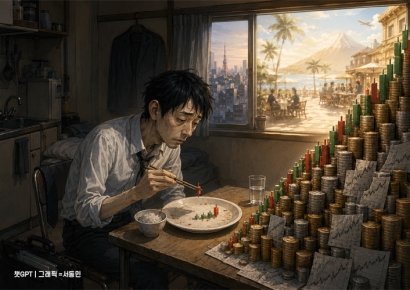 "Surviving on One Meal a Day to Invest 3.5 Million Won Monthly... 'FIRE' Craze Sparks 'NISA Poverty' in Japan"
- "Correction Over for Samsung and SK hynix" "670,000 for Samsung, 4.7 Million for SK hynix": Why Global IBs Remain Optimistic
- "Used for the Wedding" 300,000-Won Ring and Dress...Changing Wedding Trends
- Causing Trouble Without a Simple "Sorry"... The Reason Behind the 'Gen Z Stare' Revealed
- Nongshim Third-Generation Executive Sangyul Shin to Wed SKT Employee on the 13th
Professor Heechul Park commented, "As radiation therapy technology grows increasingly sophisticated, it becomes ever more important to help patients understand, prepare for, and maintain their everyday lives throughout treatment." He stressed the need for a cancer care system that provides explanations and emotional support at every stage, ensuring that patient questions and anxieties are never overlooked.
© The Asia Business Daily. All rights reserved. Unauthorized AI training and use prohibited.