Prosecution Summarily Indicts 10 Over Distribution of 'Doctor Blacklist'
Summary Indictments for 10 over "Blacklist" Circulation and Collective Action in the Medical Community

The prosecution has concluded its investigation into illegal activities by the medical community that occurred during the Yoon Suk Yeol administration’s push to increase medical school admissions. The case has ended with summary indictments for a total of 10 individuals, including those who circulated lists of doctors who did not participate in collective action.
The Public Investigation Division 3 at the Seoul Central District Prosecutors’ Office (headed by Chief Prosecutor Kim Jeongok) announced on July 24, 2026, “We have finally closed a number of criminal cases triggered by the government’s announcement of its medical school quota increase policy in February 2024 and the subsequent mass resignations of resident doctors.”
The prosecution investigated a total of 29 individuals, issuing summary indictments against 10, while the remaining 19 were not indicted.
Specifically, the prosecution brought summary indictments against 10 individuals for the following reasons: violations of the Stalking Punishment Act for circulating the list of doctors who did not participate in strikes and collective action; charges of evidence concealment for obstructing police investigations related to posts about collective action; and violations of the Fundraising Act during the process of recruiting resident doctors who had resigned.
However, the prosecution decided not to indict members of the Emergency Committee of the Korean Medical Association on charges of disrupting hospital operations, stating, “It was not confirmed that committee members directly instructed resident doctors to resign,” and, “It is difficult to regard them as having conspired with resident doctors to obstruct operations.”
Hot Picks Today
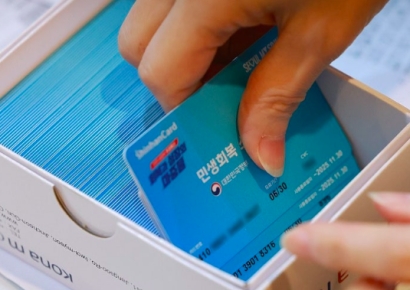 "300,000 Won Grant" Shelved at Chuseok to Go to All Residents After All... This City Says It Will Pay Before Lunar New Year
- "Didn't Save This Money to Leave to Our Kids?"... Retired Couples Spend $10,000 on a Single Trip
- "Make $10 Million by Flipping It Right After Delivery?"... The Market Drawing the World's Ultra-Rich in ‘This Market’
- Friend Who Went Abroad Goes "Silent"... 617 South Koreans Out of Contact, What's Going On?
- "Stockpile 9 Liters of Bottled Water and Three Days' Worth of Food"... UK on Edge as Nationwide Emergency Preparedness Alert Issued
Additionally, regarding the allegation that a public health doctor leaked a list of fellow doctors designated for hospital dispatch (violation of official secrets), the prosecution explained, “Given the circumstances that the public health doctor received the dispatch list from the supervising official via mobile phone and shared it with a colleague for information exchange, it is difficult to recognize intent for disclosure of official secrets.”
© The Asia Business Daily. All rights reserved. Unauthorized AI training and use prohibited.