"Cup Noodles and Saewookkang Prices to Rise"...Wave of Food Price Hikes Continues
Nongshim to Raise Prices of Cup Noodles and Snacks from August 1
Dunkin' Also to Increase Prices of 39 Doughnut Varieties by an Average of 6.5%
Instant noodles, a staple affordable meal for many South Koreans, have now joined the wave of food price hikes. Price increases are also continuing at restaurant chains such as Dunkin'.
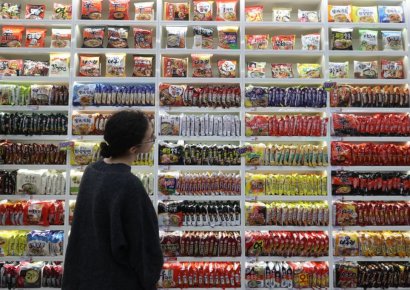
On July 24, Nongshim announced that starting August 1, it will raise the shipment prices for key cup noodles, snacks, and beverage products by an average of 6.0%, 5.5%, and 7.7%, respectively. This is the first time in one year and five months that noodle prices have been raised, following the last increase in March 2025. In the case of SaewooKkang, the price is being raised for the first time in three years and eleven months since September 2022.

The adjusted items include 18 cup noodle brands, such as Yukgaejang Sabalmyeon and Shin Ramyeon Cup; 23 snack brands, including SaewooKkang and Kkokkalcorn; and two beverage brands, Capri-Sun and Welch's. Accordingly, Yukgaejang Sabalmyeon is expected to be sold at retail outlets for 1,200 won instead of 1,100 won, while SaewooKkang (90g) will go from 1,500 won to 1,600 won. Actual sales prices may differ depending on each distributor.
A Nongshim spokesperson explained, "Due to the prolonged period of high exchange rates and high oil prices caused by the international situation, material costs such as packaging have surged, accumulating significant cost burden. While we've internally strived for cost reduction and operational efficiency, recent declines in domestic profitability and increased supply prices by our partner companies have made these price adjustments unavoidable."
On the same day, Dunkin' also stated that it will raise the prices of 39 donut products by an average of 6.5% starting August 2. Notably, Famous Glazed and Kakao Honey Dip varieties will see prices go from 1,700 won to 1,900 won, while the Creme Brulee Donut will increase from 4,100 won to 4,200 won, among others. A Dunkin' spokesperson said, "Due to a rise in various costs, we had no choice but to adjust our prices."

Previously, food and restaurant companies have announced a series of price increases, citing various reasons such as the impact of conflicts in the Middle East.
On July 16, CJ CheilJedang announced that it will raise prices in eight categories and 27 products—including Hetbahn, mandu (dumplings), and grilled fish—by an average of 8%. The price increase by category is as follows: Hetbahn 12%, mandu 4.6%, grilled fish 8.4%, with adjustments ranging from 4.0% up to a maximum of 12%. These adjusted prices will be applied at large supermarkets starting July 30 and at convenience stores from August 1.
Ottogi has also increased shipment prices for 29 items in its curry, glass noodles, ketchup, and pepper product lines. The average shipment price increase rates are: pepper 17.0%, glass noodles 10.0%, and 6.1% each for curry and ketchup. Lotte Chilsung Beverage raised the shipment prices of 44 products across 12 brands, including Chilsung Cider, last month by an average of 5.3%.
Harim, starting July 1, increased prices of refrigerated processed foods such as hot bars and chicken breast by 100–300 won at convenience stores and other channels. Sajo, as of July 2, increased the prices of fish cakes and crab sticks by 6–7%. The company has also been discussing with distributors about raising the prices of canned tuna, other seafood, sauces, and edible oils by up to 20%.
Hot Picks Today
 "They Really Might Take No.1"... Nongshim Narrows Gap with Japan from 9.2% to 1.9% in a Year, Closing In on Market Leader
- Jensen Huang Reacts to Douzhi; HYROX Female Champion Faces Ordeal Mid-Race: Was a 'Chinese Drink' to Blame?
- Japanese "Short Sleeper" Who Claimed to Be Fine on 30 Minutes of Sleep a Day Caught Napping During Live Broadcast
- "Please Take Off Your Shoes"—From Crawling onto the Bed to Changing Habits, Young Americans Lead the Shift
- "The Clothes My Dad Used to Wear"... Ralph Lauren, Beanpole, and Hazzys See Sales Surge as MZ Generation Embraces the Trend
From June 9, The Born Korea raised the prices of selected menu items, side toppings, and beverages by about 11% on average at eleven food service brands, including Yeokjeon Udon, Mijeong Guksu, Rolling Pasta, and Saemaeul Sikdang. Lotteria, Mom's Touch, and Subway have also recently increased prices on their major products. Coffee chains such as MegaMGC Coffee, Ediya Coffee, The Venti, and The Coffee Bean have continued to raise product prices since the beginning of the year, citing higher coffee bean costs, exchange rate fluctuations, and increased costs of packaging due to the Middle East conflict as driving up their cost burden.
© The Asia Business Daily. All rights reserved. Unauthorized AI training and use prohibited.