Thirty-One Types of Illegal Drugs Found in Wastewater... Synthetic Cannabis Most Prevalent
MFDS Expanded Analysis to 243 Substances Last Year
Methamphetamine Detected Nationwide, but Estimated Usage Remains Low
Thirty-one types of illegal drugs, including methamphetamine and synthetic cannabis (synthetic cannabinoids), were detected in wastewater across the country. This outcome follows a significant expansion of the survey scope—from the previous 15 to 22 substances to 243 types—and the inclusion of not only wastewater treatment facilities but also upper drainage areas near entertainment districts and densely populated urban regions.

According to the "2025 Survey on the Status of Illegal Drug Use" released on July 24 by the Ministry of Food and Drug Safety, illegal drugs such as methamphetamine (31 types) and medical drugs including zolpidem (25 types) were identified in samples collected from wastewater treatment plants, upper drainage areas, and densely populated locations across the country.
Since 2020, the Ministry has analyzed nationwide wastewater samples to gauge drug usage trends, and last year it improved sampling points and methodology while increasing the number of analyzable substances to 243.
The detected illegal drugs consisted of 28 types classified as statutory narcotics and 3 types as temporary narcotics.
The most notable finding was the prevalence of synthetic cannabinoids. They accounted for 21 of the total detected substances, representing the largest proportion, and were found in all surveyed wastewater treatment plants, upper drainage areas, and densely populated regions. The Ministry explained that this matches the growing trend of synthetic cannabinoids noted in both the Supreme Prosecutors’ Office's "2024 White Paper on Drug Crimes" and the United Nations Office on Drugs and Crime (UNODC) reports on emerging drugs.
Methamphetamine continued to be detected in every surveyed area, as seen in previous years since 2020, indicating nationwide use. However, the estimated average daily use per 1,000 people, based on wastewater treatment plant data, was 85mg, which is lower than in other key countries and cities such as the United States (2,109mg), Australia (1,518mg), and the Czech Republic (1,175mg).
Ketamine, whose illicit distribution has raised increasing concern in recent years, was detected for the fourth consecutive year since 2022. The Ministry of Food and Drug Safety judged that there is a high likelihood of real-world distribution, considering the recent detection of large-scale smuggling cases.
The increased sophistication of survey methods also led to the detection of drugs not found in previous surveys. Eleven types of illegal drugs were found at wastewater treatment plants, and eighteen at upper drainage areas. During the Halloween season, eight types—such as cocaine, MDMA (ecstasy), and ketamine, often referred to as "club drugs"—were detected near entertainment venues. In comparison, only four types were found in the same areas during a regular weekend, indicating that patterns of drug use can vary depending on specific times and environments.
Hot Picks Today
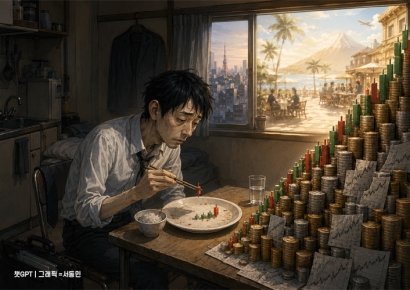 "Surviving on One Meal a Day to Invest 3.5 Million Won Monthly... 'FIRE' Craze Sparks 'NISA Poverty' in Japan"
- "Correction Over for Samsung and SK hynix" "670,000 for Samsung, 4.7 Million for SK hynix": Why Global IBs Remain Optimistic
- "What About the Parents' Retirement?"...Income and Occupation Alone Aren’t Enough as Young People's Marriage Criteria Change
- Causing Trouble Without a Simple "Sorry"... The Reason Behind the 'Gen Z Stare' Revealed
- Nongshim Third-Generation Executive Sangyul Shin to Wed SKT Employee on the 13th
Based on last year’s findings, the Ministry plans to further expand its surveillance network this year. The number of upper drainage areas surveyed will increase from three to six cities, and the survey of densely populated areas will expand from one location to three. If illegal drugs are detected, information will be promptly shared with investigative agencies and local governments, and any substances suspected to be new psychoactive drugs will undergo additional analysis, with measures such as designation as temporary narcotics also being pursued.
© The Asia Business Daily. All rights reserved. Unauthorized AI training and use prohibited.
![Listings Pile Up in Gangnam, While Gangbuk Has None Left to Sell... As Seoul Transactions Dwindle, Buying Sentiment Diverges [Real Estate A to Z]](https://cwcontent.asiae.co.kr/asiaresize/307/2026090415531016688_1788504791.jpg)