Governor Choo: "No Disaster Blind Spots"... Gyeonggi Province Launches Full Survey of Migrant Accommodations
Gyeonggi Province to Inspect 4,420 Migrant Worker Accommodations
Inspection of Greenhouses and Container Lodgings During the Heatwave
Comprehensive Three-Week Survey of Lodging Facilities Across All 31 Cities and Counties
Strict Response to System Abuse and Illegal Acts in Cooperation with the Justice Ministry
Gyeonggi Province has launched a comprehensive survey of migrant worker accommodations, including vinyl greenhouses and containers, in order to protect vulnerable residents during the record-breaking heatwave. The initiative aims to strengthen the disaster safety net by inspecting the living conditions of migrants who are exposed to the risk of extreme heat and fire, and by linking emergency protection measures where necessary.

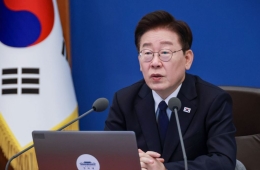
This action was taken as directed by Gyeonggi Province Governor Choo Mi-ae. After visiting a residential vinyl greenhouse site in Gwangmyeong City on July 12, Governor Choo stated, "No resident of Gyeonggi Province should fall into a blind spot in terms of disaster and safety," and ordered, "Closely inspect the living conditions of migrants vulnerable to disasters such as heatwaves and swiftly implement necessary protective measures."
Accordingly, from July 24 to August 14, Gyeonggi Province will conduct a comprehensive survey over a three-week period of 4,420 lodging facilities where foreign laborers (under the Employment Permit System and Seasonal Worker Program) in the agriculture, livestock, and fisheries sectors reside, across 31 cities and counties in the province.
The targets of the survey include vulnerable residential facilities such as vinyl greenhouses, containers, and prefabricated buildings. The province will focus on examining the legality of the accommodations and whether they are equipped with basic living facilities such as toilets, in order to address potential safety accidents and human rights violations during the heatwave.
For migrants found to be living in poor conditions, Gyeonggi Province will provide emergency relief and support for improving living environments by linking the province's climate insurance and welfare programs. In addition, for business owners who have provided temporary buildings as accommodations without following proper procedures such as farmland use permits, related administrative actions will be taken in cooperation with city and county governments.
If any facilities are deemed unsafe for continued residence, emergency protection measures, such as preparing temporary housing, will be implemented. In conjunction with existing support services for migrants—including medical care, welfare, and counseling—the province also plans to establish an integrated support system to help stabilize migrants’ lives and support their settlement in local communities.
Separately from its humanitarian protection efforts, Gyeonggi Province announced it will respond firmly, in cooperation with relevant authorities, to any acts that abuse the system or disrupt public order, in accordance with legal principles and regulations.
Governor Choo Mi-ae stated, "Disasters like heatwaves pose even greater risks to residents with vulnerable housing," adding, "We will carefully monitor conditions to ensure migrants can live in safer environments and will continue to strengthen the safety net for disaster-vulnerable groups."
Hot Picks Today
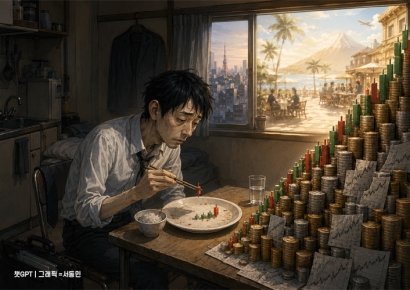 "Surviving on One Meal a Day to Invest 3.5 Million Won Monthly... 'FIRE' Craze Sparks 'NISA Poverty' in Japan"
- "Correction Over for Samsung and SK hynix" "670,000 for Samsung, 4.7 Million for SK hynix": Why Global IBs Remain Optimistic
- "What About the Parents' Retirement?"...Income and Occupation Alone Aren’t Enough as Young People's Marriage Criteria Change
- Causing Trouble Without a Simple "Sorry"... The Reason Behind the 'Gen Z Stare' Revealed
- "I'm Getting Married, But Please Don't Come"... Gen Z's Changing Wedding Trends [World is Z-gold]
Meanwhile, since July 14, Gyeonggi Province has also been conducting joint inspections with the Ministry of Employment and Labor and municipal governments of industrial sites and migrant worker housing in the province to check heatwave countermeasures.
© The Asia Business Daily. All rights reserved. Unauthorized AI training and use prohibited.

![Listings Pile Up in Gangnam, While Gangbuk Has None Left to Sell... As Seoul Transactions Dwindle, Buying Sentiment Diverges [Real Estate A to Z]](https://cwcontent.asiae.co.kr/asiaresize/307/2026090415531016688_1788504791.jpg)