Constitutional Court Dismisses Authority Dispute Over Opposition's 'Fabricated Prosecution Parliamentary Probe'
“No Possibility of Infringement on the Right to Deliberate and Vote”
The Constitutional Court has dismissed the authority dispute petition filed by the People Power Party, which claimed that the passage of the “Fact-Finding Investigation into the Alleged Fabrication and Political Prosecution by Prosecutors Under the Yoon Suk Yeol Administration” plan in the National Assembly, led unilaterally by the ruling party, was unconstitutional.

On July 23, at 2:00 p.m. at the Constitutional Court in Jongno-gu, Seoul, the Court unanimously dismissed the petition filed by seven lawmakers, including Kwak Kyu-taek, head legal adviser of the People Power Party, against National Assembly Speaker Woo Won-shik. The Court stated, “The act of declaring the passage of the agenda for approving the fact-finding investigation plan does not recognize the possibility that the petitioners’ rights to deliberate and vote — as members of the People Power Party — were infringed upon.”
Kwak and others had applied for an authority dispute judgment on March 25, claiming that their rights to deliberate and vote on bills were violated by the passage and declaration, on March 22, of the “Approval of the Fact-Finding Investigation Plan Regarding the Alleged Fabrication and Political Prosecution by Prosecutors Under the Yoon Suk Yeol Administration.”
At that time, the People Power Party attempted to respond with a filibuster, but failed to prevent the passage of the bill.
However, the Court found no grounds to believe their rights to deliberate and vote were infringed. The Constitutional Court explained, “An unlimited debate took place properly at the request of the People Power Party lawmakers, and the lawmakers themselves left the chamber and did not participate in the vote. Even though they were given the opportunity to exercise their rights, the mere fact that they chose not to use that opportunity cannot be recognized as an infringement of, or a significant risk to, their authority.”
The Court also rejected the argument that conducting a parliamentary investigation in order to intervene in ongoing cases such as the Daejang-dong and Ssangbangwool North Korea remittance trials violates the constitutional principle of separation of powers, the independence of the judiciary, and current laws.
Article 8 of the Act on the National Assembly’s Investigation and Audit stipulates that audits and investigations must not be conducted for the purpose of infringing on an individual’s privacy or interfering with the prosecution of cases under ongoing investigation or trial.
Hot Picks Today
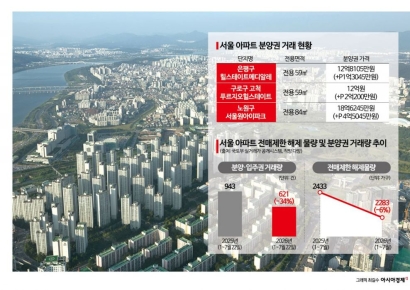 "'Homeowner Lends 600 Million Won': What Is 'Seller Financing' Emerging in Gangnam Apartment Transactions?"
- "I Thought Only Korea Was Struggling, but Japan Is Worse": Yen-Dollar Exchange Rate Hits 40-Year Low... What’s Happening to the Yen?
- Hyundai Motor Records All-Time High Q2 Revenue of 49.2 Trillion Won, Operating Profit Down 20.8% (Update)
- "No Air Conditioner at Home? Come Here"...Rome Takes Extraordinary Measures Amid Record Heat Wave
- "Worked as a Hostess After Retirement"... Japan Shocked by the Current Status of Former Two-Time Olympic Gymnast
However, the Court stated, “This is simply a claim that there is a problem with the content of the agenda item that was passed,” adding, “Once an agenda item is submitted to the plenary session and opportunities are granted for debate and voting, the mere fact that there is an issue with its content does not establish the possibility of an infringement of the right to deliberate and vote.”
© The Asia Business Daily. All rights reserved. Unauthorized AI training and use prohibited.