Oil Could Surge to $160 in Second Shock, Asian Countries to Bear the Brunt [Weekend Money]
Red Sea Alternative Route Faces Blockade After Hormuz
Market Buffer Mechanisms to Curb Price Surges Exhausted
Rising Burden on Consumer Price Inflation Likely
As tensions between the United States and Iran escalate once again, there is now the risk that alternative shipping routes through the Red Sea, in addition to the Strait of Hormuz, could also become blocked. Experts have warned that if this geopolitical blockade persists in the long term, international oil prices could surge as high as $160 per barrel within the third quarter.
![Oil Could Surge to $160 in Second Shock, Asian Countries to Bear the Brunt [Weekend Money]](http://www.asiae.co.kr/news/img_view.htm?img=2026062609354524394_1782434145.png)
According to Kyobo Securities on July 25, hostilities between the United States and Iran have intensified again this month, preventing the implementation of the previously agreed ceasefire memorandum of understanding (MOU). As a result, the number of ships passing through the Strait of Hormuz has plummeted from over 50 per day to just 2 to 4 in recent days, effectively resulting in another blockade.
Additionally, the risk of a secondary shock has grown after Yemen's Houthi rebels declared a blockade of the Bab-el-Mandeb Strait—a key Red Sea crude oil transport route—in response to the bombing of Sanaa Airport in Saudi Arabia. Up until now, the Bab-el-Mandeb Strait has served as a critical export route for Saudi Arabia to bypass the Strait of Hormuz blockade via its east-west pipeline network. If an actual blockade occurs, it would not only disrupt about 15% of global supply previously affected by the Strait of Hormuz closure but also introduce an additional supply shortage of approximately 4%.
The bigger concern is that there are virtually no buffer mechanisms left in the market to mitigate the current supply shock. During the first Strait of Hormuz shutdown, surging oil prices were contained by mechanisms such as the International Energy Agency (IEA)-led release of strategic oil reserves, reduced Chinese crude demand, and Asian countries' shift to coal. However, these options are no longer available at present.
In fact, the U.S. Strategic Petroleum Reserve (SPR) has fallen to its lowest level since 1983, and U.S. commercial crude inventories are well below the recent 5-year average. Asian countries are also unable to benefit from fuel substitution, as coal prices have risen sharply in tandem.
Besides surging crude prices, elevated refining margins (crack spreads) are placing a heavy burden on consumer inflation. Declining refinery capacity in Russia due to the ongoing Russia-Ukraine war and low gasoline inventories in the United States have caused refining margins to spike, strengthening the stickiness of retail prices compared to crude import costs.
Kyobo Securities analyzed that even if the U.S.-Iran conflict cools down within the third quarter, high refining margins are likely to keep the U.S. Consumer Price Index (CPI) anchored at a high level in the mid-to-high 3% range. Furthermore, since 90% of Saudi Arabia's alternative export volume is destined for Asia, an actual blockade would likely force ships to take much longer routes around the Suez Canal and the Cape of Good Hope in South Africa, causing shipping rates and insurance premiums to soar.
Hot Picks Today
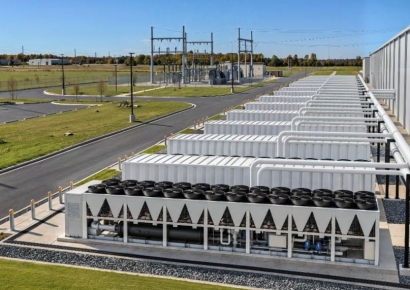 "The Real Winner Controls the Heat"...LG Electronics Bets 150 Billion Won on New Chiller Plant in Virginia, US
- "Everyone from Their 20s to 60s Rushed In"...The 'Top Certification' Even Yoo Yeon-seok and Sung Hoon Obtained
- "I’m Now Afraid of Chinese People"... Chinese Restaurant Owner Appeals After Being Threatened Over Sign
- Lobster on the Cafeteria Menu... Samsung Welstory Introduces Restaurant Dishes with Ingredient Clients
- "Did It Get Drunk on Electricity?" Police Robot Smashes 20 Flowerpots and Flees the Scene
Jae-hyun Wi, senior researcher at Kyobo Securities, said, "Once again, the supply shock is expected to be absorbed mainly by Asian countries," adding, "The global energy market is now even more vulnerable than it was during the Strait of Hormuz blockade in March. Given the current oil price level, the market environment is more sensitive to upward volatility than to any potential decline."
© The Asia Business Daily. All rights reserved. Unauthorized AI training and use prohibited.