Ruling Party Proposes Mandatory Video Recording of Entire Search Process, Implements "Real-Name Investigation System"
Democratic Party Floor Leader of the Legislation and Judiciary Committee Proposes Amendment
Kim Seungwon: "Enhancing Accountability and Transparency in Police Investigations"
Kim Seungwon, the ruling party floor leader of the National Assembly's Legislation and Judiciary Committee and member of the Democratic Party of Korea, sponsored a bill to amend the Criminal Procedure Act on the 23rd. The amendment aims to strengthen the transparency and accountability of police investigations.

Kim Seungwon, the ruling party floor leader of the National Assembly's Legislation and Judiciary Committee (pictured on the right), is greeting Justice Minister Chung Sung-ho at the full committee meeting held at the National Assembly on the 15th. Photo by Yonhap News
View original imageThe amendment requires police officers and prosecutors to electronically record the entire investigative process— from the initiation to the conclusion of the case— as well as the processes of evidence collection and creation, submission of sentencing materials, and the execution of compulsory measures such as searches, seizures, and inspections in the Criminal Justice Information System. In particular, the bill makes it mandatory to videotape the entire process of searches and inspections.
Additionally, the bill introduces a so-called "real-name investigation system" by requiring not only the names of the investigators but also the names, ranks, and affiliations of the supervisors and approvers to be electronically recorded. The details of interviews with suspects, witnesses, and other persons associated with a case, as well as the exact circumstances under which evidence was obtained, must also be thoroughly documented. To prevent arbitrary modification or deletion of these records, the amendment stipulates that intentional manipulation or omissions can result in disciplinary action.
When a prosecutor requests a supplementary investigation, the specific reasons and scope must be clearly stated either in writing or through the Criminal Justice Information System. The amendment also expands the rights of suspects and their legal counsel to access investigative records. It further stipulates that suspects must be informed in advance that they may request redress from a prosecutor in cases of human rights violations or abuse of investigative authority during police investigations.
Hot Picks Today
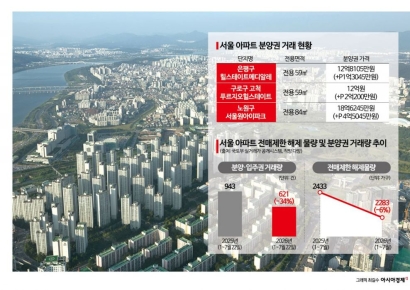 "'Homeowner Lends 600 Million Won': What Is 'Seller Financing' Emerging in Gangnam Apartment Transactions?"
- "I Thought Only Korea Was Struggling, but Japan Is Worse": Yen-Dollar Exchange Rate Hits 40-Year Low... What’s Happening to the Yen?
- [Conference Call] Hyundai Motor: "Profitability to Recover in Second Half on New Models...Guidance Maintained"
- "No Air Conditioner at Home? Come Here"...Rome Takes Extraordinary Measures Amid Record Heat Wave
- "Worked as a Hostess After Retirement"... Japan Shocked by the Current Status of Former Two-Time Olympic Gymnast
The amendment also includes a new provision that suspends the statute of limitations for cases in which police or prosecutors attempt to conceal an incident through using the crime of judicial distortion.
© The Asia Business Daily. All rights reserved. Unauthorized AI training and use prohibited.