[Exclusive] Minister Jeong Seongho Directs Future Committee Fact-Finding Team to "Improve Problematic Investigative Practices"
"Improving Investigation Practices" Clause Absent in Past Affairs Committee
Added to Regulations by Instruction of Minister Jeong Sungho
Distinguished from 2018 Past Affairs Committee Guidelines
Granted Investigative Authority, but Concern

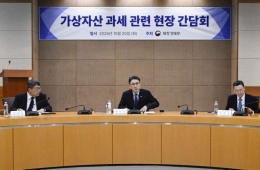
It has been confirmed that Minister of Justice Jeong Seongho included operational guidelines in the instructions to the Fact-Finding Team under the Prosecution Human Rights and Future Committee (referred to as the Future Committee) of the Ministry of Justice, emphasizing "prioritizing the improvement of problematic investigative practices over the punishment of individual prosecutors."
According to coverage by The Asia Business Daily on July 21, the operational guidelines for this fact-finding team are largely identical to the regulations of the Prosecution Past Affairs Committee, which was launched in December 2017. However, a significant difference is that, in accordance with Minister Jeong’s directive and the newly established investigative authority, the main purpose of the fact-finding initiative has been explicitly stipulated as “internal cooperation and improvement of investigative practices.”
Article 7, Clause 3 of the Supreme Prosecutors’ Office Fact-Finding Team Operational Guidelines—which covers the team’s functions, duties, and investigative authority—states: "The Fact-Finding Team focuses on correcting problematic practices or errors in past prosecution-related work, such as investigations and indictments, and conducts the fact-finding process rapidly and efficiently through internal cooperation and understanding within the prosecution."
This approach seems to reflect Minister Jeong’s intention to quell concerns from both inside and outside the prosecution that the team’s activities could devolve into excessive internal inspections or “targeted disciplinary actions” against individual members. Based on this, the team itself has decided to prioritize the review of the appropriateness of past investigations and overall investigative practices over disciplining or reprimanding individual prosecutors.
Accordingly, when potential problems are discovered in past investigative methods, the team will examine closely whether those issues were ordinary prosecutorial practices and focus on seeking systemic alternatives. Representative practices that have long been cited as examples of prosecutorial abuse include indiscriminate search and seizure, excessive use of travel bans, prolonged investigations, and overly detailed preparation of written statements. Using the relevant provision as a foundation, the Future Committee is expected to examine these criticized practices and discuss fundamental reforms.
Hot Picks Today
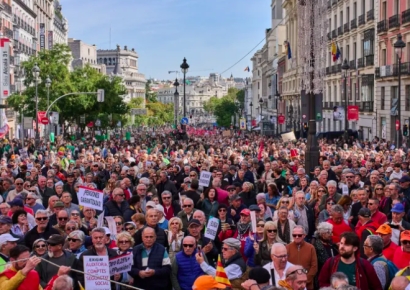 "They're Coming After My Pension Too?" Public Unease Mounts... Spain Sees Mass Protest Over Reform Push
- "300,000 Won Grant" Shelved at Chuseok to Go to All Residents After All... This City Says It Will Pay Before Lunar New Year
- Jeong Jeomsik: "Blue House only needs to clarify whether First Lady played golf"... Special inspector's first task
- "Why Is That Woman Acting Like That?" Wailing and Lying Down... A Disturbance in the Middle of Gangnam-daero
- "Stockpile 9 Liters of Bottled Water and Three Days' Worth of Food"... UK on Edge as Nationwide Emergency Preparedness Alert Issued
Meanwhile, the Future Committee—which was launched on June 10 last month—serves as a body to investigate allegations of prosecutorial human rights violations and abuses of prosecutorial power. The current subjects of fact-finding include the Ssangbangwool North Korea remittance case, the Daejang-dong and Wirye development corruption cases, the case of former Deputy Director Kim Yong of the Democratic Research Institute, the West Sea public official shooting incident, the statistics manipulation case, and the case involving alleged false reports defaming President Yoon Suk Yeol. Among these, four (Ssangbangwool, Daejang-dong, Wirye New Town, and Kim Yong) are related to President Lee Jaemyung.
© The Asia Business Daily. All rights reserved. Unauthorized AI training and use prohibited.