Single-Person Households Also Join the 'Money Move'... Savings Drop as Stocks and ETFs Rise
Investment Expands Among Single-Person Households Amid Stock Market Rally... 34% Have Experience With Debt-Based Investing
59.6% Participation Rate in N-Jobs... More for Extra Funds Than Necessity
Single-Person Household Life Satisfaction at 73.5%
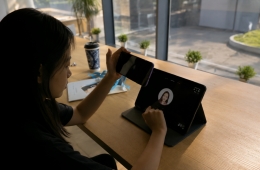
In single-person households, the proportion of savings and time-deposit accounts has decreased, while the ratios of stocks, ETFs, and virtual assets have increased, showing a clear shift in 'money move' trends. The number of people who have invested using loans—so-called 'debt-based investing'—has also risen compared to two years ago. It was also found that, among single-person households with relatively less burden from child-rearing and family responsibilities, 6 out of 10 earn additional income from side jobs (N-jobs) in addition to their main occupation.

KB Financial Group published the '2026 Korea Single-Person Household Report' on the 19th, featuring the above findings. This is the seventh edition released this year, and the report consists of five sections: ▲Life Satisfaction of Single-Person Households ▲Lifestyle ▲Financial Life ▲Career Trends ▲Consumption Trends.
Thanks to the bullish stock market, the flow of funds moving from safe assets to investment assets is clear even among single-person households. Within financial assets, the share of 'savings and time deposits' dropped 7.8 percentage points from two years ago to 28.3%. In contrast, the share of 'stocks and ETFs' increased by 6.1 percentage points to 21.1%, while the portion of 'virtual assets' rose by 1.3 percentage points to 3.5%. The proportion of loan holders who had experience investing in financial products using loans was 34.0%, up by 5.2 percentage points compared to 28.8% in 2024. As the stock market strengthened from last year, funds that had remained in safe assets such as savings and time deposits actively shifted into investment assets like stocks.
An analysis of the side job (“N-job”) status among single-person households revealed that 6 out of 10 are engaged in N-jobs. The participation rate for N-jobs was 59.6%, a 17.6 percentage point increase from 42.0% in 2022. The main motivation for starting N-jobs was not financial necessity; rather, 'voluntary reasons' (79.5%) were cited most often. The leading factor for continuing N-jobs was 'preparing extra or emergency funds' (40.4%). Notably, the more N-jobs a single-person household was engaged in, the more proactive and confident they appeared in all aspects of preparing for marriage, retirement, self-development, and overall asset management.
Satisfaction with current life among single-person households stood at 73.5%, and the proportion planning to continue living alone was 58.3%, both steadily increasing. This suggests that living alone is not merely a temporary stage, but is establishing itself as a common form of life. Life satisfaction was up by 2.3 percentage points compared to 2024. By category, satisfaction was highest for 'space/environment' (79.5%), followed by 'leisure' (74.8%), 'human relationships' (62.4%), and 'financial stability' (51.4%). The majority of single-person households wanted to continue living alone because 'it's comfortable to live alone' (61.4%), but cited 'financial stability' (24.0%) and 'health' (25.7%) as their main concerns.
Single-person households also demonstrated an active enjoyment of solo living based on diverse interests across nearly all aspects of life. KB Financial Group explained that in terms of eating habits, there has been a marked qualitative shift in the past two years, with more people trying new foods or seeking premium products that are healthier, even if they cost more. In leisure activities, 52.2% preferred 'spending leisure time alone,' which was significantly higher than 'half and half' (30.0%) or 'with others' (17.8%), showing a clear tendency toward actively choosing and enjoying time alone.
Consumption patterns in single-person households were characterized by planning, practicality, and emphasis on subjective taste. The responses of 'planned consumption' (47.2%), 'practicality/value for money first' (55.4%), and 'subjective preferences first' (51.1%) all surpassed those for 'impulsive spending' (24.1%), 'quality/completion first' (16.2%), and 'brand/trust first' (19.0%). This trend was common across clothing, food, housing, and leisure, but the detailed criteria varied by sector and age group. For apparel, the main factors were activity and comfort; for food, price was critical; for housing, cost efficiency and environment/facilities were prioritized; and for leisure, subjective preferences were the most important criteria.
KB Financial Group Research Institute commented, "Single-person households are no longer a temporary phenomenon limited to a particular generation, but a lifestyle that anyone may encounter at some stage in life," and added, "We hope this report will serve as a fundamental resource for understanding the real lives of single-person households and contribute to the design of diverse services and discussions for both public and private sector policies."
Hot Picks Today
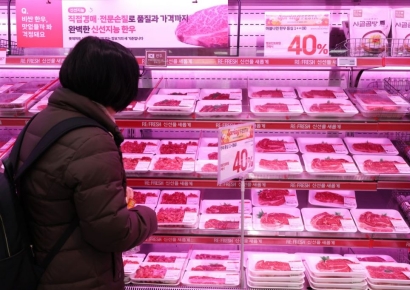 "I Wanted to Gift My Parents"... Beef Prices Soar Ahead of Chuseok
- "They Play With These All Day"...Hazardous Substances Found in Popular Elementary School Toys
- "Is It Okay to Sleep In on Weekends?"... Sleeping 1 Hour and 27 Minutes More Led to Surprising Results
- "Turned the Bus Around One Second Before the Bridge Collapsed"... Nepali Principal Saves Lives of 900 Students
- From 240,000 Won to 500 Million: The Incredible Twist of an Investment Rarer Than Winning the Lottery
This report was based on a quantitative survey conducted from February 25 to March 23 this year among 2,000 men and women aged 25 to 59 who have lived independently for more than six months and have independent economic activity, residing in Seoul and other major cities nationwide.
© The Asia Business Daily. All rights reserved. Unauthorized AI training and use prohibited.