Despite 41-Degree Heatwave, Iran Asks Citizens to Switch Off Air Conditioners During Peak Hours Amid Power Shortages
Iran Says "Southern Airstrikes Damaged Power Lines... Asking for Cooperation"
Some Claim "Government Shifts Energy-Saving Burden to Citizens When its Own Efforts Fail"
As the heatwave continues in Iran, the Iranian government has asked citizens to reduce their use of air conditioners.

On July 17 (local time), Iran's Ministry of Energy told the semi-official Tasnim news agency that, to ensure a stable supply of electricity in the southern region, residents in other areas were being asked to cut back on electricity usage. An official from the Ministry of Energy stated, "The power lines in the south have been damaged by airstrikes, resulting in disruptions to supply for cities and nearby areas," and requested, "If possible, we would like all Iranians to turn off their air conditioners for just one hour during peak times." However, on this day, the maximum daytime temperature in Iran’s capital Tehran is expected to reach around 39 degrees Celsius, while the port city of Bandar Abbas, which was recently targeted by U.S. airstrikes, is forecast to soar to about 41 degrees Celsius on Sunday.
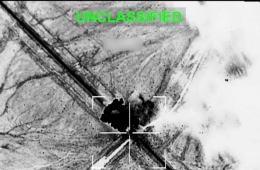
The British media outlet The Daily Telegraph reported that, while the United States mainly targeted military facilities that threaten the Strait of Hormuz during a week of bombing, it also damaged more than 2,000 locations on Iran’s national power grid. A blackout occurred just hours after President Donald Trump warned of a power cut as a way of pressuring Iran to return to negotiations, leading to speculation that this was no coincidence. However, a White House official told the BBC that civilian infrastructure was not attacked and claimed that "only military targets, including facilities for transporting military supplies, were struck."
Meanwhile, some voices within Iran contend that the overloaded state of the power grid is not due to the United States. Behnam Ben Taleblu, Iran Program Lead at the Foundation for Defense of Democracies, said in an interview with the Washington Post (WP), "The blame for this situation lies not with the United States but with Tehran, and this is not the first time Iran has ordered its citizens to get by without air conditioning." He added, "When the government fails to engage in proper energy conservation, it encourages the people to save energy. However, in official statements, it shifts the blame onto the United States."
Hot Picks Today
 As KOSPI Breaks Below 7,000, Securities Firms Make a Sudden U-Turn: More Downward Revisions Than Upward Reports in July
- Turned on the Air Conditioner All Night and Woke Up with a Sore Throat... It's Not Just a Cold [Kok! Health]
- “Senior, Are We Having the ‘Lunch Gathering’ There Today?” Even the Manager Nods... Fierce Competition Returns to Buffets After 10 Years [Why&Next]
- Samsung and SK hynix Shares Slide: "It's Because of You, the Cash King"—The Graph Explains It [Tech Talk]
- "Spiders Crawling Across Faces While Sleeping"... Naju Apartment Complex Plagued by Spider Infestation
Meanwhile, Iran’s Ministry of Health claimed that at least 38 people were killed and more than 400 injured due to the U.S. airstrikes. On July 16, The Times of Israel, citing multiple sources and some foreign media outlets, reported that the United States has asked Yemen’s pro-Iranian Houthi (Ansar Allah) rebels to prepare to blockade the Bab-el-Mandeb Strait at the entrance to the Red Sea should the U.S. attack Iran's power infrastructure.
© The Asia Business Daily. All rights reserved. Unauthorized AI training and use prohibited.