Thought It Was Clean, but It's Dirtier Than a Toilet... Rinsing Only With Water Leaves 40,000 Bacteria
Bacteria Count Surges to 40,000 Within 24 Hours After Drinking
Rubber Seals and Straws: Hidden Havens for Bacterial Growth
Experts have warned that the habit of simply rinsing reusable tumblers with water may actually promote the growth of bacteria.

On July 17, multiple media outlets, citing sources in the medical community, reported that according to an analysis by Korea Water Resources Corporation, there were almost no bacteria detected in the water inside a tumbler initially. However, immediately after taking a sip from the tumbler, the number of bacteria rose to about 900. After 3 hours at room temperature (above 20°C), the figure increased to about 30,000, and after 24 hours, it exceeded 40,000.
Similar results have been found in studies conducted overseas. In an experiment by WaterFilterGuru.com, a U.S. water filter specialist, 20.8 million CFU/mL of bacteria were detected inside a regular tumbler. This amount is up to 40,000 times higher than on a toilet seat, four times that of a computer mouse, and twice that of a kitchen sink.

In a study conducted by a joint research team from Purdue University and James Madison University that examined 90 water bottles collected on campus, some bottles contained up to 8.03 million CFU/mL of heterotrophic bacteria, far exceeding the hygiene safety standard (100–500 CFU/mL). In some samples, coliform bacteria, an indicator of hygiene status, were also found.
Experts explain that the very structure of tumblers is conducive to bacterial growth. Beverage residue can easily accumulate in tight and moist spaces, such as inside the lid’s rubber gasket, the drinking spout, or the straw. In these areas, bacteria can adhere to the surface and form a sticky, slimy layer called “biofilm,” which is difficult to remove by rinsing with water alone.
Beverages containing sugar, protein, or fat—such as coffee, lattes, or protein drinks—are known to leave more residue, making it even easier for bacteria to multiply. In hot and humid conditions, such as during the summer, the rate of bacterial growth can become significantly faster.
To maintain hygiene, any leftover drinks should be emptied as soon as possible after use, and instead of rinsing with only water, it is recommended to wash the tumbler with a neutral detergent or baking soda. Rinsing afterwards with hot water at 60°C or higher can help remove bacteria. The lid, rubber gasket, and straw should be separated from the main body and thoroughly cleaned, including all crevices.
Hot Picks Today
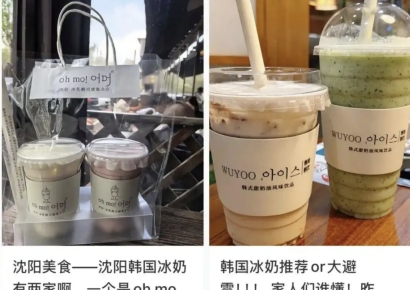 "There's a Drink Like This?"... Chinese Beverage With "Korean" in Its Name Rakes in 85 Million Won in Monthly Sales
- "Samsung Electronics at 70,000 won, SK hynix at 200,000 won"... Why the gloomy outlook despite 'record-breaking earnings'?
- Woman Found Collapsed Barefoot on Street, Leaving 3-Year-Old Child Unattended... Turns Out She's Part of a "Wealthy Royal Family"
- "I Put in 10 Million Won, but Only 2 Million Won Is Left" ... 77% Plunge Leaves Retail Investors in Samsung Electronics and SK hynix Leveraged ETFs Crying Out
- "The leggings are all see-through. It's so embarrassing to look at," complaints prompt Lululemon to fire development staff.
Additionally, assembling or closing the lid while any moisture remains can create a humid environment that allows bacteria to regrow. It is best to ensure that all parts are completely dry before reassembling.
© The Asia Business Daily. All rights reserved. Unauthorized AI training and use prohibited.