"Escalating Middle East Conflict: Over 1,000 Cases of Damage Reported by Korean SMEs"
A Total of 1,010 Cases Reported
Up 13 from the Previous Week
As the United States and Iran continue to exchange airstrikes and retaliatory actions over control of the Strait of Hormuz, domestic small and medium-sized enterprises (SMEs) are experiencing increasing losses. Reports of damages and difficulties faced by Korean SMEs related to the situation in the Middle East have surpassed 1,000 cases. With both countries effectively abandoning the memorandum of understanding (MOU) that ended previous hostilities, further damage to domestic businesses is anticipated.
According to the Ministry of SMEs and Startups on July 16, as of noon that day, the total number of reports concerning damages and difficulties (including concerns) related to the Middle East situation stood at 1,010. This marked an increase of 13 cases compared to the previous week. Since February 28, the ministry has been accepting online submissions via its website as well as telephone and in-person reports through 15 regional export support centers.
Of the reported cases, 785 involved direct damages or difficulties, while 155 were classified as concerns. (Some companies reported more than one issue.) In terms of the types of damages and difficulties (including duplicate responses), "Other" accounted for the largest share with 342 cases (43.6%), followed by increased logistics costs (302 cases, 38.5%), transportation disruptions (297 cases, 37.8%), contract cancellations or deferments (244 cases, 31.1%), business trip disruptions (127 cases, 16.2%), and payment defaults (99 cases, 12.6%). For the category of "concerns" (including duplicate responses), transportation disruptions were the most reported at 99 cases (63.9%), followed by “Other” at 60 cases (38.7%) and loss of contact at 10 cases (6.5%).

By country, reports of damages and difficulties from Middle Eastern countries other than Iran and Israel, such as the United Arab Emirates and Saudi Arabia, were the most numerous, totaling 533 cases. Iran accounted for 106 cases and Israel for 98 cases. There were also 372 cases reported from countries outside the Middle East, with the numbers continuing to rise.
Examples of significant cases of damage include a Korean SME exporter who said that, following the outbreak of war in the Middle East, container shipping fees, fuel surcharges, and war-risk premiums sharply increased, causing a rise in export costs and a decline in export competitiveness.
Another SME reported that the price of plastic raw materials surged by more than 30% after the war, causing significant supply difficulties. Although prices have recently decreased to some extent, the company is still using materials purchased at the elevated prices, making it difficult to immediately lower the supply price.
One company, after completing a sample contract and collecting payment from an Iraqi buyer, saw all subsequent regular orders put on indefinite hold due to the war in the Middle East.
Hot Picks Today
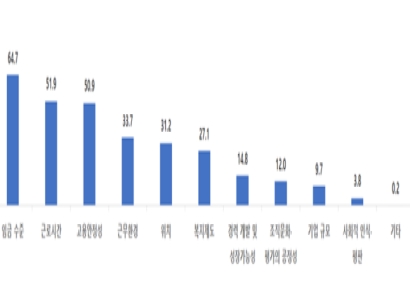 "Please Pay Me at Least 3 Million Won a Month": More Than Half of Young People Today Prioritize "Working Conditions" Over Company Size
- Selling Like Crazy Every Year... 30-Year-Old Hetbahn Takes on a New Challenge: Tastes Better Than "Mom's Home Cooking" [On-Site Report]
- He Left It in the Car and Forgot... "I Nearly Collapsed with Joy": Man Wins $1.48 Million Lottery
- Ran 18 km With 9-Year-Old Tied to Him at the Waist... "Man Banned From Competing for 3 Years"
- Beachgoer Finds 'Plastic' That Turns Out to Be Perfume Ingredient Worth More Than Twice as Much as Gold
Another company reported that, because of the war, communication with local partners has become limited, planned participation in an exhibition in Iraq was canceled, and efforts to prospect for additional buyers in the Middle East were also halted.
© The Asia Business Daily. All rights reserved. Unauthorized AI training and use prohibited.