[Editorial] Is the Issue ETFs or Policy?
On July 15, President Lee Jaemyung ordered further measures regarding single-stock leveraged exchange-traded funds (ETFs) that are concentrated in Samsung Electronics and SK hynix. This is a necessary step to protect investors. Securities firms have also responded by raising minimum deposit requirements, and improvement measures are expected to be discussed at the F4 meeting.
However, this issue should not be approached as a problem with just one specific product. While an objective analysis is needed to determine the extent to which the ETF has contributed to the recent increase in market volatility, the concentration on certain stocks and a tendency toward short-term investment have been persistent structural problems in the Korean stock market. We must resist the temptation to make a single product a scapegoat and instead address the underlying limitations of the Korean stock market.
The most important step is to reflect on the policy decision-making process. The Financial Services Commission pushed for the introduction of single-stock leveraged products—which are already common in overseas markets—with the intention of narrowing the regulatory gap between domestic and foreign ETFs and attracting outbound investment demand back to Korea. It is necessary to examine how thoroughly the authorities considered market characteristics, such as the domestic preference for leverage and the possibility of concentration on particular stocks, during this process. If the risks were unforeseen, there must be an explanation of the decision-making process; if the risks were anticipated but still allowed, then the basis for that decision should be presented.
In this context, the comment made by Lee Chanjin, Commissioner of the Financial Supervisory Service—“We should have blocked the introduction (of the product), even if it meant lying down in protest”—was inappropriate. He later expressed a more cautious stance, saying that because it is a structural issue, it is difficult to find a clear answer, but that message should have been delivered from the start. When confidence in the policy-making process is shaken, it becomes difficult to expect market stability.
Hot Picks Today
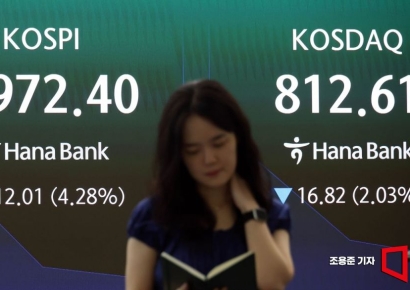 "KOSPI Faces Record Volatility Amid Doubts Over Semiconductor-Only Dominance"
- "Despite Fears of Collapse Without Chinese Tourists... Koreans Become Japan’s Tourism Saviors"
- Police Apply for Arrest Warrant for Criminal Division Chief in 'Jang Yunki Case'
- President Lee: "Sejong Office Should Be an Enduring Landmark Befitting National Stature"
- "If I Can't Ride the Subway for Free, I Can't Do This Job... Keeping It Secret from Friends" The Struggles of a White-Haired Courier
Measures such as raising the minimum deposit requirement, strengthening the suitability review, and expanding risk disclosures can all be considered. However, wavering over whether to allow a product that has already been approved undermines fundamental market trust. A healthy capital market is not a market with no risky products, but one where principles and trust function to manage risks.
© The Asia Business Daily. All rights reserved. Unauthorized AI training and use prohibited.





![[Second Half Work Briefing] Free Public Access to "Korean-Style ChatGPT" for All... Era of One AI Assistant Per Person Next Year](https://cwcontent.asiae.co.kr/asiaresize/307/2026071611414748611_1784169708.jpg)