Homeplus Receives 200 Billion Won Lifeline, Rehabilitation Back on Track... Business Normalization Remains a Challenge
MBK and Kim Byungju Fully Guarantee 200 Billion Won Loan
Operations to Resume After Immediate Appeal on the 20th
Delayed Wages and Supplier Payments to Be Prioritized
September Court Approval Becomes Turning Point for Rehabilitation
Homeplus, which had been pushed to the brink, has secured 200 billion won in emergency debtor-in-possession (DIP) financing, creating another opportunity to continue its rehabilitation procedures. The company managed to raise funds after its largest shareholder, MBK Partners, and its largest creditor, Meritz Financial Group, reached a settlement following a standoff over financial support. Based on these funds, Homeplus plans to push ahead with business normalization and pursue mergers and acquisitions (M&A).
However, industry observers note that the capital injection is unlikely to lead to immediate normalization. This is because the trust of both suppliers and consumers has been undermined after delayed payment for goods and temporary store closures, which will require a considerable amount of time to recover.

MBK and Meritz Find Common Ground... First Step to Restart Rehabilitation
On July 16, according to the retail and finance sectors, three Meritz Financial Group companies—Meritz Fire & Marine Insurance, Meritz Securities, and Meritz Capital—held board meetings and approved a plan to provide 200 billion won in DIP loans to Homeplus. The loan will be fully guaranteed in solidarity by MBK Partners, the controlling shareholder, and Kim Byung-ju, Chairman of MBK Partners.
The total financial burden shouldered by Chairman Kim and MBK, both before and after the start of the Homeplus rehabilitation process, will reach 600 billion won. MBK stated, "If rehabilitation procedures continue, Homeplus will be able to retain its value as a going concern and push forward with normalization. It will also open the door to a successful M&A by attracting new investors."
Homeplus also issued a statement welcoming the agreement. The company asserted, "This is significant not just for securing operating capital but also because it means core stakeholders have reached a consensus to continue the rehabilitation process," adding, "If major creditors continue to consent to the rehabilitation plan, the chances of court approval for the plan are expected to increase."

Resuming Operations... Delayed Wages and Supplier Payments Expected to Get Priority
With this agreement, Homeplus is now positioned to file an immediate appeal by July 20 against the court's July 3 decision to terminate the rehabilitation proceedings. Actual disbursement of the DIP funds requires court approval for the reopening of the rehabilitation process, completion of contract arrangements for DIP execution, and approval from major creditors.
Once the 200 billion won in DIP financing is disbursed, it is expected to be used first for public-interest claims, such as overdue wages and payments to suppliers, as well as restoring normal business operations. The public-interest claim liabilities of Homeplus amount to about 1.1 trillion won, mostly due to supplier payments and overdue wages that arose after the launch of rehabilitation proceedings.
The current backlog of overdue wages is approximately 33.2 billion won, equivalent to one month's salary for June. Although the total unpaid amount accumulated to 141 billion won due to payment delays since the end of last year, salaries up to May have now been paid in full.
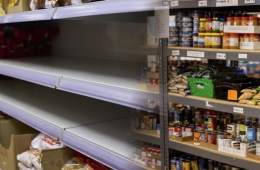
Having suspended operations at headquarters and all 67 hypermarket stores nationwide since July 13, Homeplus now plans to use the secured funds to pay outstanding supplier bills, stabilize product supplies, and resume store operations.
The Homeplus General Labor Union also welcomed the move, stating, "With 200 billion won in DIP rehabilitation funding, normalization of Homeplus is now possible."

200 Billion Won Secured, but Rebuilding Trust with Suppliers and Consumers Remains Key
However, the industry believes that securing funds alone will not necessarily restore operations to pre-rehabilitation levels. Hypermarkets are businesses with significant fixed costs including product procurement, labor, rent, and facility maintenance. If operating capital is injected while sales have yet to recover, cash reserves could be exhausted quickly.
An official from the hypermarket sector remarked, "200 billion won is by no means a large sum; it could all but disappear after paying one month's wages to employees."
Restoring severed business relationships is considered the greatest challenge. Since the commencement of rehabilitation proceedings in March last year, deteriorating cash flows have delayed payments to suppliers, pushing some to stop deliveries or reduce supply volumes based on the payment situation.

An official from the food industry commented, "Until Homeplus demonstrates consistent ability to make payments over a certain period, it will be difficult to expand delivery volumes to previous levels." He added, "We will decide on transaction volumes based not just on the settlement of unpaid bills, but on whether payments for future sales are made on time as promised."
Restoring consumer trust is also a challenge. Since store closures and product shortages have recurred, many consumers have moved to other hypermarkets or online channels. Even after reopening, product competitiveness and pricing policies are essential to win customers back. If delays in resuming supplier deliveries prevent stores from fully restoring their assortment of products, customer attrition could persist for an extended period.
A source in the distribution sector noted, "Even if product supplies return to normal, if customers do not return and sales do not recover, the operating capital could be depleted quickly. Reopening stores is one thing, but building a sustainable business structure is a different issue altogether."

Race Against Time for Rehabilitation... Approval in September Is the Biggest Hurdle
Even if the rehabilitation proceedings resume, there is little time to spare. The Debtor Rehabilitation and Bankruptcy Act requires that a rehabilitation plan be approved within 18 months of the application for rehabilitation. Homeplus, which applied for rehabilitation on March 4 last year, must obtain approval for its rehabilitation plan by September 4 this year.
Securing consent from major creditors is also necessary before submitting the plan. Considering that it normally takes several months to revise the plan and coordinate with creditors, there is a general consensus that time is running out.

Even after court approval of the rehabilitation plan, nothing is guaranteed. The court will continue to monitor whether the plan is being implemented. If there are setbacks, it may lead to the discontinuation of rehabilitation procedures or bankruptcy.
Another industry source remarked, "Even if rehabilitation resumes, the market will not immediately improve its view on Homeplus’s survival prospects. Unless there is a concrete roadmap for a sale or attracting outside investment, it may end up merely buying time."
Hot Picks Today
 "Wow, Have Middle-Aged Men Had This All to Themselves?"... Women in Their 20s and 30s Find Comfort in a Standing Drink
- They Earn “430 Million Won a Year” Yet Receive Government Aid... AI Hub Declares Emergency Over “8.8 Million Won Monthly Rent”
- "Koreans Spend 1 Million Won Each and Come Back"... 'They Said They Were Going for Value for Money,' but Open Their Wallets Wide in Japan
- "Naked Again?" Controversial Actress Crosses a Line... Slammed for Sexualizing 'Child Characters'
- "They Get a Good Night's Sleep and Earn Twice My Salary... Honestly, I'm So Jealous I Could Die": Civil Servant's Post Targeting Firefighters Sparks Outrage
In contrast, Homeplus is optimistic that the secured funds will improve the chances of successful rehabilitation. The company said, "Once the 200 billion won of operating capital, which will be the initial fuel for rehabilitation, is secured, we will continue the rehabilitation process through an immediate appeal. We will complete the final phase of structural reform and promote the sale of remaining business divisions—the headquarters, hypermarkets, and online operations—to successfully conclude the rehabilitation process."
© The Asia Business Daily. All rights reserved. Unauthorized AI training and use prohibited.