"Turning Seoul's Night into an Economy"... Up to 2.5 Billion Won in Support for Selected 'Dalbit Yajang'
Seoul Pushes “Night-Time Economy” Revitalization Plan
Boosting Urban Consumption, City Vitality, and Global Competitiveness
Merchant-Resident Mutual Growth Council...Expanded Late-Night Bus Service
Oh Se-hoon, Mayor of Seoul, is pushing forward a plan to revitalize the night-time economy, injecting energy into the city center after work hours and expanding foreign tourist spending into neighborhood commercial areas. The city plans to designate “Night Economy Mutual Growth Zones,” offering incentives, and provide up to 2.5 billion won in grants and incentives per area for the development of ‘Dalbit Yajang’ (Moonlight Night Market) districts.

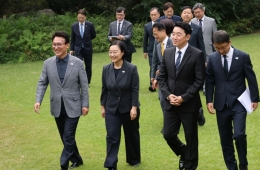
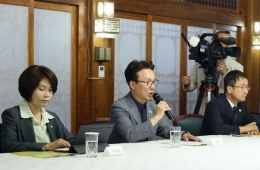
On July 15, Mayor Oh held his first regular executive meeting since the launch of the ninth popularly elected administration, where he discussed strategies to boost the night-time economy as Seoul’s new growth strategy. The city aims to organically link tourism, culture, commerce, and transportation, spreading tourist consumption into neighborhood commercial zones and creating a “24-hour vibrant global city, Seoul.”
Mayor Oh emphasized, “The night-time economy is a new growth strategy for Seoul, connecting culture and tourism, commerce, and transportation into a single ecosystem. This will transform citizens’ leisure culture while driving consumption and energy in the city.”
Night Economy Task Force to Launch...Designation of “Mutual Growth Zones”
First, a joint task force (TF) will be launched, headed by the Chief Special Advisor for Night Economy, with participation from seven bureaus, headquarters, and departments. Within the Economic Policy Office, a dedicated team will be established to manage night-time economy policy on a regular basis, strengthening the policy implementation framework. Next month, a public-private joint governance body involving small business owners, merchant associations, and experts will be formed. The city will also develop a “Night Economy Integrated Brand” to connect Seoul’s various night-time infrastructure and content under one banner. The name of the brand will be selected through a public contest by citizens.
The city is pursuing the night-time economy as a new urban growth strategy that links culture, tourism, commercial areas, and transportation into a single economic ecosystem. The plan is to transform Seoul’s nights into spaces where citizens can linger and enjoy longer, connecting this to the local economy to enhance Seoul’s global competitiveness.
The city is reviewing plans to designate “Night Economy Mutual Growth Zones” centering on major nighttime landmarks in downtown Seoul. These special zones will receive nighttime business operation incentives, relaxed regulations on public space and outdoor business hours, and support for late-night public transportation, among other benefits.
Various commercial connections will be enhanced at Dongdaemun Design Plaza (DDP), so that visitors can naturally flow into nearby commercial districts. Around Seoul Arena, which is scheduled to open next year, the city will jointly develop supporting facilities such as accommodations and local commercial areas to foster pre- and post-performance spending. Riverside spaces like the Hangang River and Seoul Mulbit Naru will have night-time restrictions eased, aiming to foster them as economic hubs where 24-hour visitation and spending is possible.
Dalbit Yajang Selection: Up to 2 Billion + 500 Million Won in Support Per Location
To promote night market culture, where outdoor tables are set up for business, Seoul is nurturing the “Seoul Dalbit Yajang” as a signature brand. The city is shifting its policy from a crackdown-oriented approach to a mutually beneficial management model under official oversight. By supporting revisions to district ordinances, the city enables legal road occupation and outdoor business operations in areas with ensured pedestrian safety.
This year, five Seoul Dalbit Yajang locations that meet hygiene and safety standards will run as pilots, with a plan to expand to a total of 25 sites by 2028. Each selected Dalbit Yajang district will receive up to 2 billion won for improving pedestrian environments, expanding sanitation facilities, and commercial branding. In addition, the city is considering providing up to 500 million won in extra incentives based on operational performance.
A mutual growth council, with participation from both night market merchants and residents, will autonomously resolve complaints and reinvest a portion of night market profits into an improvement fund, establishing a virtuous cycle for reinvesting in the local environment.

The city will also expand night-time operations of cultural, sports, and tourism infrastructure, and promote unique overnight content alongside late-night transportation and safety measures. Nighttime access to major cultural facilities, such as art galleries, museums, and palaces, will be increased, and the city is actively considering the introduction of integrated arts programs in the Gwanghwamun area, linking museums and other facilities.
To ensure that citizens can enjoy night-time activities safely and conveniently, the city will both strengthen enforcement against disorderly behavior and consider expanding late-night bus operations and introducing more autonomous buses and taxis.
Mayor Oh stated, “The night-time economy is not the task of any single department, but requires culture, tourism, transportation, and economic policy to work in concert. We will make sure that this becomes a flagship policy to transform citizens’ lives and enhance Seoul’s competitiveness.”
Hot Picks Today
!["Don't Use Chinese-Made Products": One U.S. Warning Triggers a 5 Trillion Won Jackpot for Korean Batteries [Weekend Money]](https://cwcontent.asiae.co.kr/asiaresize/93/2025121709393659037_1765931975.jpg) "Don't Use Chinese-Made Products": One U.S. Warning Triggers a 5 Trillion Won Jackpot for Korean Batteries [Weekend Money]
"Don't Use Chinese-Made Products": One U.S. Warning Triggers a 5 Trillion Won Jackpot for Korean Batteries [Weekend Money]
- "Dividend Payouts of 40 Million Won Before Their First Birthday"...'Baby Shareholders' Put Ordinary Workers at a Disadvantage
- Mixing Leftover Hemp from Hemp Cloth into Film... Biodegradable Plastic's Remarkable Strength Boost [Reading Science]
- "Planning a Trip to Japan?"... Accelerating Yen Strength [Weekend Money]
- "Wasn't It a Huge Trend Among Millennials and Gen Z Just Recently?"... '12 Billion Bottles Inventory Bomb' Enough to Last the World for Three Years
Based on discussions at this executive meeting and the G3 Seoul Planning Committee, Seoul will announce a comprehensive plan to boost its night-time economy at the beginning of next month.
© The Asia Business Daily. All rights reserved. Unauthorized AI training and use prohibited.